
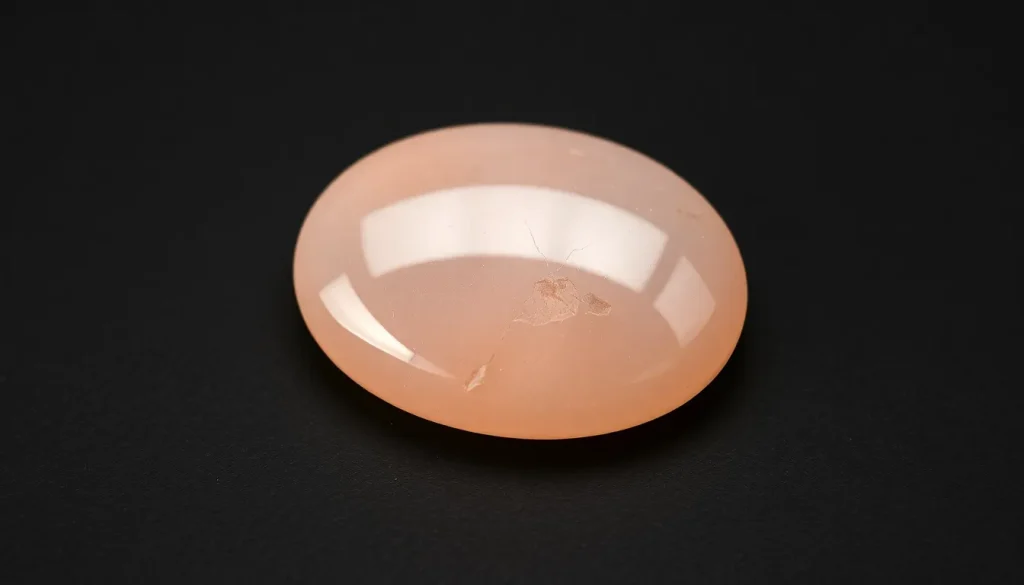
Short Answer
Overview
Chondrodite is a hydrous magnesium silicate mineral of the humite group, with the idealized formula (Mg,Fe)5(SiO4)2(F,OH)2. It crystallises in the orthorhombic system and typically occurs as massive aggregates, fibrous nodules, or granular masses. Colours range from delicate pinks and oranges to brown, yellow, greenish hues, and occasionally colour‑less specimens. Though not a mainstream gemstone, chondrodite is occasionally cut for ornamental use and is popular among collectors and crystal‑healing practitioners.
History and Origin
The name “chondrodite” derives from the Greek word chondros meaning “grain” or “cartilage,” referring to its granular habit. It was first described in the early 19th century from deposits in the United States, notably in New York and California. Geologically, chondrodite forms in metamorphosed ultramafic rocks where magnesium‑rich silicates interact with fluorine‑bearing fluids. It is commonly associated with other humite‑group minerals such as humite, clinohumite, and tremolite.
Meaning and Symbolism
In traditional gemstone lore, chondrodite is associated with gentle emotional renewal. Its soft pink and warm earth tones are said to evoke feelings of compassion, nurturing, and inner peace. The stone is sometimes linked to themes of grounding and stability because of its formation deep within the Earth’s mantle.
Healing and Metaphysical Properties
Crystal‑healing enthusiasts attribute the following properties to chondrodite. These are based on belief systems and should not be taken as medical advice:
- Emotional balance: Thought to soothe anxiety, promote calmness, and foster self‑acceptance.
- Physical support: Traditionally believed to aid the respiratory system and alleviate joint stiffness.
- Spiritual work: Used in meditation to enhance grounding and to connect with Earth energies.
Practitioners often place chondrodite on the heart centre during meditation or keep a small tumbled stone in a pocket for continual gentle support.
Varieties and Types
Because colour is the most variable characteristic, chondrodite is informally grouped by hue:
- Pink to salmon: The most common commercial colour, ranging from pale rose to deeper salmon.
- Orange‑brown and yellow: Often found in oxidised zones, these specimens display warm earth tones.
- Greenish: Rare, caused by trace chromium or iron.
- Colourless/white: Typically occurs in very pure specimens with minimal trace elements.
n
All varieties belong to the same mineral species; the colour differences arise from trace element substitution and exposure to fluorine‑rich fluids during formation.
Jewelry Uses and Care
Chondrodite’s Mohs hardness of 5.5–6.5 makes it suitable for earrings, pendants, and occasional rings, provided the setting protects the stone from knocks. It is relatively brittle along its perfect {010} cleavage, so designs that avoid direct impact are recommended.
- Cleaning: Use a soft, lint‑free cloth. Mild warm soapy water may be employed, but avoid ultrasonic cleaners and harsh chemicals.
- Storage: Keep separate from harder gemstones (e.g., quartz, topaz) to prevent scratching.
- Heat sensitivity: Prolonged exposure to high temperatures can dehydrate the mineral, altering colour.
Because many chondrodite specimens are untreated, their natural beauty is best preserved by gentle handling and regular inspection for chips along the cleavage plane.
Buying Guide
When purchasing chondrodite, consider the following factors:
- Colour and clarity: Uniform pink or orange‑brown tones with minimal inclusions are most prized.
- Cut and finish: Well‑polished cabochons or faceted stones that respect the natural cleavage are preferred.
- Origin documentation: Reputable dealers will provide locality information; common sources include the United States, Norway, and Austria.
- Treatment disclosure: Natural chondrodite is rarely treated, but any heat or dye treatment should be disclosed.
- Certification: For larger or high‑value pieces, request a gemological report from a recognized laboratory.
Because the market is niche, prices are modest compared with more popular gemstones. Authenticity is best confirmed by a qualified gemologist, especially for larger faceted stones.
FAQ
What is chondrodite good for?
Chondrodite is used in jewelry as a decorative stone and in crystal‑healing practices for its reputed calming and grounding energies. It is also collected for its unique mineralogical characteristics.
Is chondrodite rare?
High‑quality, vivid pink or orange‑brown chondrodite is relatively uncommon, especially in large, clean crystals. However, modest specimens are found in several localities worldwide, making the stone moderately rare overall.
How can you tell if chondrodite is real?
Real chondrodite displays a vitreous‑to‑pearly luster, a white streak, and a hardness of 5.5–6.5. It often shows perfect cleavage on {010}. Professional testing, such as refractive index measurement or X‑ray diffraction, confirms authenticity.
What chakra is chondrodite associated with?
Traditional crystal‑healing belief links chondrodite primarily with the Heart (Anahata) chakra, supporting emotional balance and love. Some practitioners also associate it with the Root chakra for grounding.
How should you clean chondrodite?
Clean chondrodite with a soft, lint‑free cloth. Warm, mild soapy water can be used for more thorough cleaning, but avoid ultrasonic cleaners, harsh chemicals, and prolonged heat, as the stone can be sensitive to dehydration.
Leave a Reply