
Short Answer
Overview
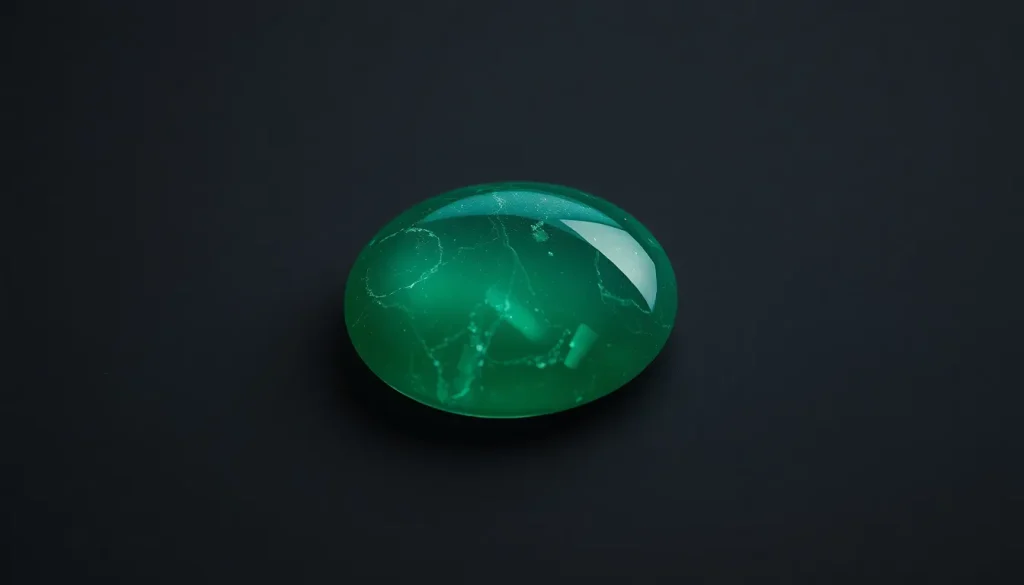
Chabazite is a zeolite mineral belonging to the tectosilicate group. It typically occurs in massive or granular forms with colors ranging from vivid green to pale yellow, white, or occasional pink. With a Mohs hardness of 3.5–4, it is often cut as cabochons or beads for ornamental use.
History and Origin
The name “chabazite” originates from the early 19th‑century identification of the mineral in volcanic rocks on the Italian island of Lipari, a locality historically referred to as “Chabaz.” It was later associated with the German mineralogist Franz von Chabaz, who helped describe the species in 1809. Since then, chabazite has been found in volcanic and hydrothermal deposits worldwide.
Meaning and Symbolism
In traditional crystal lore, chabazite is linked to growth, renewal, and the facilitation of change. Its green hues are said to evoke the vitality of nature, encouraging optimism and the emergence of new ideas.
Healing and Metaphysical Properties
Crystal‑healing practitioners attribute the following properties to chabazite:
- Supports emotional balance and helps release old patterns.
- Encourages mental clarity and the manifestation of intentions.
- Believed to aid in detoxification and metabolic processes when placed on the body.
These claims are based on tradition and are not supported by scientific evidence.
Varieties and Types
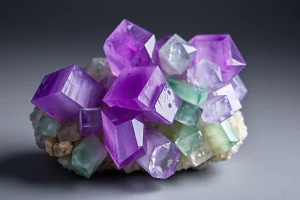
Chabazite occurs in several color varieties, each valued for its distinct appearance:
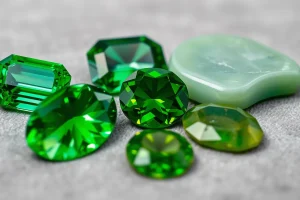
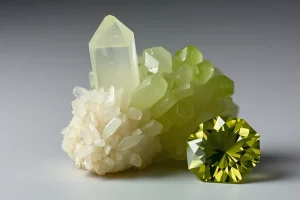
- Green chabazite – the most common, ranging from olive to bright emerald.
- Yellow to chocolate – pale lemon to amber tones.
- White or colourless – often translucent and used for delicate settings.
- Pink chabazite – a rare variety displaying soft rose hues.
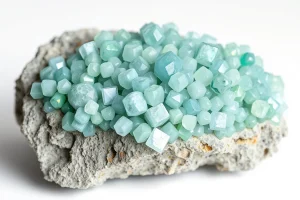
The mineral may appear as massive aggregates, as rhombohedral crystals, or as geode‑lined cavities.
Jewelry Uses and Care
Because of its relatively low hardness, chabazite is most suitable for earrings, pendants, and beaded necklaces where abrasion is minimal. It is frequently polished into smooth cabochons to showcase its colour.
Care instructions:
- Clean with a soft, damp cloth; avoid ultrasonic cleaners.
- Do not expose to harsh chemicals or prolonged sunlight, which can fade colour.
- Store separately from harder gemstones to prevent scratches.
Buying Guide
When selecting chabazite, consider the following factors:
- Colour intensity – deep, even green is most prized; uneven or overly pale stones are less valuable.
- Clarity – look for minimal inclusions; massive stones often display a uniform texture.
- Cut and finish – well‑polished cabochons reveal the stone’s natural luster.
- Treatment disclosure – some specimens are heat‑treated to enhance colour; reputable dealers will disclose any treatments.
- Certification – for high‑value pieces, request a gemological report from a recognized laboratory.
FAQ
What is chabazite good for?
Chabazite is valued for its attractive green to yellow colors in jewelry, especially as cabochons and beads. Traditionally, it is believed to support emotional growth and mental clarity, though these effects are not scientifically proven.
Is chabazite rare?
High‑quality, vivid‑green chabazite is less common than lower‑grade material, but the mineral itself is not considered rare. Rarity increases for pink or exceptionally clear specimens and for stones from historically significant localities.
How can you tell if chabazite is real?
Real chabazite feels relatively soft (Mohs 3.5–4), shows a vitreous to dull luster, and may have a conchoidal fracture. A professional gemological test, such as refractive index measurement or spectroscopy, can confirm authenticity.
What chakra is chabazite associated with?
In crystal‑healing traditions, chabazite is most often linked to the Heart chakra, reflecting its green color and association with emotional balance.
How should you clean chabazite?
Gently wipe chabazite with a soft, damp cloth. Avoid ultrasonic cleaners, harsh chemicals, and prolonged sunlight, as these can damage the surface or fade the color. Store it separately from harder gemstones to prevent scratching.
Leave a Reply