
Short Answer
Overview
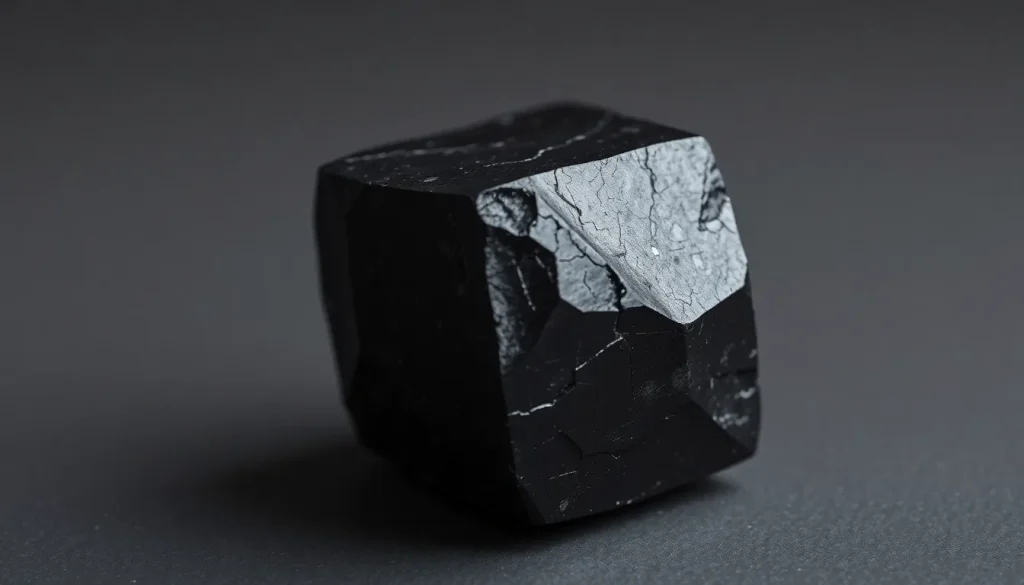
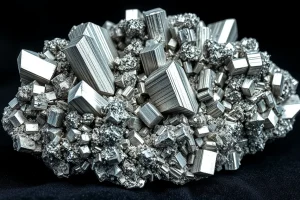
Algodonite is a rare metallic mineral belonging to the sulfide class. Its chemical composition is primarily copper, iron, arsenic, and sulfur, giving it a distinctive black to dark‑gray appearance with a bright metallic luster. Crystals are typically isometric (cubic) and occur as massive aggregates or well‑formed octahedral specimens. Because of its opacity and metallic nature, algodonite is not used in conventional gemstone settings, but it is prized by mineral collectors and occasionally fashioned into cabochon pieces for specialty jewelry.
History and Origin
The name “algodonite” derives from the Algodones mining district in the state of Sonora, Mexico, where the mineral was first described in the early 20th century. Subsequent occurrences have been reported from hydrothermal veins in Argentina, Chile, and Peru, often alongside other copper‑arsenide minerals such as enargite and bornite. The mineral’s rarity and striking metallic sheen have made it a sought‑after specimen for museum collections and private mineral cabinets.
Meaning and Symbolism
In traditional metaphysical thought, algodonite is associated with grounding and protection. Its deep, earthy black color is believed to anchor the wearer’s energy to the physical world, while the metallic sheen symbolizes resilience and inner strength. Some cultures view the mineral as a talisman against negativity, helping to deflect unwanted influences and promote a sense of stability.
Healing and Metaphysical Properties
Crystal‑healing practitioners attribute the following properties to algodonite (these are beliefs, not medical facts):
- Grounding: Helps users feel more rooted and present in the material world.
- Protection: Said to create an energetic shield against negative thoughts and environments.
- Strengthening: Encourages perseverance during challenging situations.
- Meditation aid: Used as a focal point for deep, grounding meditations.
These attributes are based on traditional lore and should not replace professional medical advice.
Varieties and Types
Algodonite itself does not have widely recognized varieties, but it belongs to a broader group of copper‑arsenide sulfide minerals. Related minerals include:
- Domeykite – a copper arsenide with a similar metallic luster.
- Enargite – a copper‑arsenic sulfide often found in the same deposits.
- Bornite – known as “peacock ore,” it can occur alongside algodonite and displays iridescent colors.
These associated minerals sometimes occur intergrown with algodonite, influencing the overall appearance of a specimen.
Jewelry Uses and Care
Because algodonite is opaque, relatively soft (Mohs 4.5‑5), and possesses a metallic fracture, its use in mainstream jewelry is limited. When it does appear in jewelry, it is typically set as a cabochon or polished bead in pieces that emphasize its industrial aesthetic, such as men’s cufflinks, pendants, or statement rings.
Care instructions:
- Clean with a soft, lint‑free cloth; avoid abrasive cleaners.
- Do not expose to acids, strong detergents, or prolonged moisture, as the mineral can react with harsh chemicals.
- Store separately from harder gemstones (e.g., quartz, sapphire) to prevent scratching.
- For heavily soiled pieces, a mild soap solution and gentle brushing with a soft brush are acceptable.
Buying Guide
When considering the purchase of algodonite, keep the following points in mind:
- Authenticity: Request a certificate of authenticity from a reputable gem‑ or mineral‑dealer. Reputable labs (e.g., GIA, IGI) can provide mineral identification reports.
- Origin: Provenance from classic localities such as Sonora (Mexico) adds value.
- Condition: Look for specimens with minimal surface oxidation and well‑preserved metallic luster.
- Treatment Disclosure: Ensure the seller discloses any treatments (e.g., polishing, stabilization). Untreated, natural algodonite commands higher collector value.
- Price Range: As a niche collector’s mineral, prices vary widely based on size, crystal form, and origin, ranging from modest amounts for small fragments to premium prices for large, well‑formed octahedra.
Always purchase from established dealers who offer clear return policies and transparent grading information.
FAQ
What is algodonite good for?
Algodonite is valued by collectors for its striking metallic black appearance and rarity. Traditionally, it is believed to provide grounding and protective energetic properties, though these are not scientifically proven.
Is algodonite rare?
Yes, algodonite is considered a rare mineral. High‑quality, well‑formed crystals from classic localities such as Sonora, Mexico are especially scarce, which influences price and availability.
How can you tell if algodonite is real?
Authentic algodonite is heavy (specific gravity ~5.5), displays a metallic luster, and is opaque black. Professional identification can be confirmed via X‑ray diffraction or a certified gemological laboratory report.
What chakra is algodonite associated with?
In crystal‑healing traditions, algodonite is linked to the Root (Muladhara) chakra, supporting grounding and stability.
How should you clean algodonite?
Clean algodonite gently with a soft, lint‑free cloth. Avoid abrasive cleaners, acids, or prolonged exposure to water. For stubborn dirt, use a mild soap solution and a soft brush, then dry thoroughly.
Leave a Reply