
Short Answer
Overview
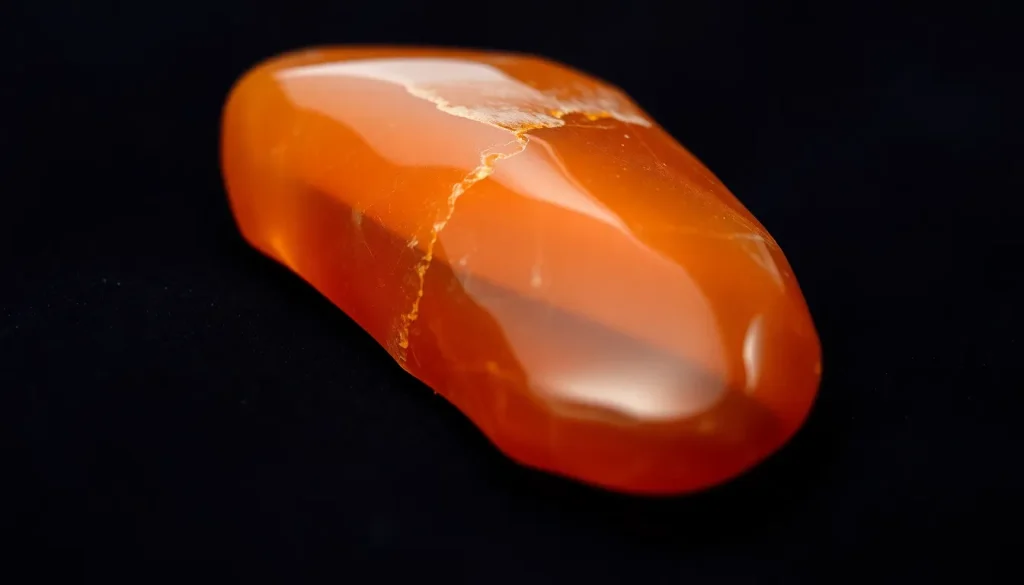
Hessonite is the orange‑brown variety of the garnet group, specifically a type of grossular garnet. It is also known as cinnamon stone, ginger stone, or simply hessonite. The stone displays a warm, honey‑like colour ranging from light amber to deep reddish‑brown, and it is prized both as a gemstone in jewelry and as an object of traditional crystal‑healing belief.
History and Origin
The name “hessonite” derives from the Greek word hēsson meaning “inferior” or “lesser,” a reference to its lower market value compared with classic red garnets. Historically, hessonite has been mined in Sri Lanka since ancient times, where it was used in royal jewellery and as a talisman. Later discoveries were made in Myanmar (Burma), India, Tanzania, Madagascar, Brazil, and the United States (California). The stone’s durability and attractive colour made it a popular choice for both ornamental and ceremonial pieces.
Meaning and Symbolism
In traditional gemstone lore, hessonite is associated with warmth, vitality, and personal empowerment. It is said to promote confidence, self‑esteem, and the ability to make clear decisions. Symbolically, the stone’s amber hue is linked to the sun’s nurturing energy, and it is sometimes given as a gift to celebrate new beginnings or achievements.
Healing and Metaphysical Properties
According to crystal‑healing traditions, hessonite is believed to balance the sacral chakra, encouraging creativity, sensuality, and emotional stability. Practitioners claim it can aid in digestion, alleviate stress, and support the endocrine system. These statements reflect cultural beliefs and are not intended as medical advice; individuals should consult qualified health professionals for any medical concerns.
Varieties and Types
Hessonite belongs to the grossular garnet series (chemical formula Ca3Al2(SiO4)3). While most commercial hessonite is untreated, some specimens undergo heat treatment to enhance colour saturation. The stone is found in two principal crystal habits:
- Granular or massive form: Common in jewellery, displaying a uniform orange‑brown tone.
- Well‑formed dodecahedral crystals: Rare, prized by collectors for their geometric clarity.
Colour variations include honey, amber, cinnamon, and deep reddish‑brown. Inclusions such as mineral‑fluid cavities are typical but do not usually affect durability.
Jewelry Uses and Care
Because its Mohs hardness ranges from 6.5 to 7.5, hessonite is suitable for rings, pendants, earrings, and bracelets. It resists scratching better than many softer stones but should still be protected from hard impacts. Care recommendations:
- Clean with warm, soapy water and a soft brush; avoid ultrasonic cleaners if the stone has been heat‑treated.
- Dry with a lint‑free cloth; store separately from diamonds or other hard gemstones to prevent scratching.
- Limit exposure to harsh chemicals, acids, or prolonged sunlight, which can alter surface luster over time.
Buying Guide
When purchasing hessonite, consider the following factors:
- Colour intensity: Deep, even honey tones are most valued.
- Clarity: Minor inclusions are acceptable; eye‑clean stones command higher prices.
- Cut: Well‑proportioned cuts (round, oval, cushion) enhance brilliance.
- Treatment disclosure: Reputable dealers will state whether the stone has been heat‑treated.
- Certification: Gemological certificates from GIA, IGI, or a qualified laboratory provide assurance of authenticity.
Price varies widely based on colour, clarity, cut, and origin. While high‑quality hessonite is less expensive than red garnet, rare, large, and vivid specimens can be relatively pricey.
FAQ
What is hessonite good for?
Hessonite is valued for its warm colour in jewellery and, according to traditional crystal lore, is believed to support confidence, creativity, and grounding. It is not a substitute for medical treatment.
Is hessonite rare?
High‑quality hessonite is less common than red garnet, especially in larger, richly coloured specimens. Availability depends on locality, colour saturation, and whether the stone has been heat‑treated.
How can you tell if hessonite is real?
Real hessonite shows a consistent orange‑brown hue, a vitreous luster, and a refractive index around 1.74. Professional testing with a gem‑lab, including spectroscopy and density measurement, provides definitive verification.
What chakra is hessonite associated with?
Traditional crystal‑healing systems associate hessonite with the sacral (Svadhisthana) chakra, thought to encourage creativity and emotional balance.
How should you clean hessonite?
Clean hessonite with warm, mildly soapy water and a soft brush. Avoid ultrasonic cleaners if the stone has been heat‑treated, and keep it away from harsh chemicals or prolonged direct sunlight.
Leave a Reply