Short Answer
Overview
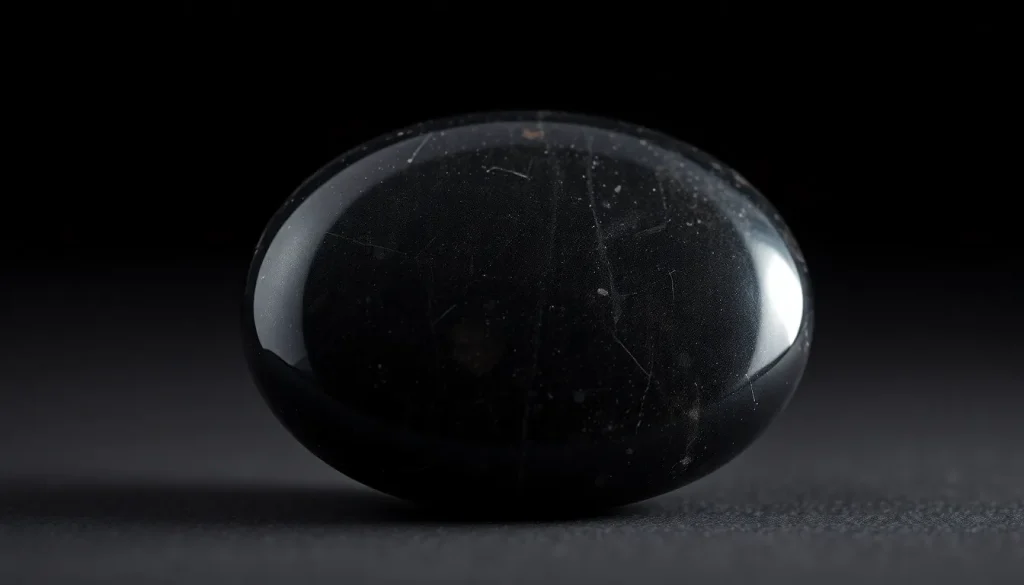
Euxenite is a complex oxide mineral composed chiefly of rare‑earth elements (REEs) such as yttrium, cerium, and lanthanum, together with niobium, tantalum, and titanium. It crystallizes in the orthorhombic system and typically appears as black, dark brown, or yellow‑brown masses. Though not a common gemstone, high‑quality crystals can be cut into cabochons or beads for ornamental use.
History and Origin
The name “euxenite” derives from the Greek word euxenos meaning “hospitable,” reflecting early miners’ perception of the mineral’s abundance in certain deposits. First described in the 19th century from specimens in Norway, the mineral was later identified in several rare‑earth ore districts worldwide, including Tanzania, Canada, Russia, and Finland. Its association with uranium and thorium has made it of interest to both geologists and collectors.
Meaning and Symbolism
Traditional lore associates Euxenite with grounding, endurance, and the ability to withstand pressure. Because the stone contains a mixture of many elements, it is sometimes viewed as a symbol of diversity and integration. In contemporary gemstone symbolism, it is said to support personal resilience and to help the wearer stay centered during change.
Healing and Metaphysical Properties
Crystal‑healing practitioners claim that Euxenite can aid in balancing the root chakra, promoting stability and grounding. It is believed to absorb negative energies, encourage inner strength, and assist in the release of emotional blockages. These assertions are based on traditional beliefs and should not replace professional medical advice.
Varieties and Types
Two primary varieties are recognized by mineralogists:
- Euxenite‑(Y): Yttrium‑rich, usually darker in color.
- Euxenite‑(Ce): Cerium‑rich, often displaying a slightly lighter brown hue.
Both varieties share the same crystal structure but differ in dominant rare‑earth element content. Minor impurities can give rise to greenish or reddish tinges, though these are uncommon.
Jewelry Uses and Care
When cut, Euxenite is used primarily for cabochons, beads, and small pendants. Its hardness (5.5–6.5 on the Mohs scale) makes it suitable for earrings and necklaces but less ideal for rings that endure heavy wear. The stone is opaque and often exhibits a sub‑metallic luster, which can be highlighted by polishing.
Care instructions:
- Clean with a soft, lint‑free cloth; avoid harsh chemicals.
- Use warm, soapy water and a gentle brush for deeper cleaning.
- Do not expose to prolonged ultrasonic cleaning, as fractures may develop.
- Store separately from softer gemstones to prevent scratching.
Buying Guide
When purchasing Euxenite, consider the following factors:
- Color and Clarity: Deep black or rich brown tones are most valued; inclusions are common but should not dominate the surface.
- Cut Quality: A well‑polished cabochon will display the stone’s characteristic sub‑metallic sheen.
- Origin: Specimens from classic localities such as Norway or Tanzania are often sought after by collectors.
- Treatment Disclosure: Ensure the seller confirms the stone is untreated; heat or irradiation can alter color.
- Certification: Request a gem‑ological report from a reputable laboratory, especially for larger or unusually colorful pieces.
Because Euxenite contains trace amounts of radioactive elements (U, Th), reputable vendors will test and certify that radiation levels are within safe limits for wear.
FAQ
What is Euxenite good for?
Euxenite is valued for its rarity, heavy‑metal luster, and use in specialty jewelry such as cabochons and beads. Traditionally, it is believed to aid grounding and emotional resilience, though these claims are not medically verified.
Is Euxenite rare?
High‑quality, gem‑grade Euxenite is relatively rare because suitable crystal size and color are uncommon. The mineral itself is more abundant in rare‑earth ore deposits, but gem‑cut pieces are limited.
How can you tell if Euxenite is real?
Authentic Euxenite is heavy for its size, shows a sub‑metallic luster, and is opaque. Professional gemologists use refractive index, specific gravity, and spectroscopic analysis to confirm identity. Always seek a certified gem‑lab report.
What chakra is Euxenite associated with?
In crystal‑healing traditions, Euxenite is linked to the Root Chakra, thought to promote grounding and stability.
How should you clean Euxenite?
Clean with warm soapy water and a soft brush, then dry with a lint‑free cloth. Avoid ultrasonic cleaners and harsh chemicals; store separately from softer stones to prevent scratches.
Leave a Reply