Short Answer
Overview
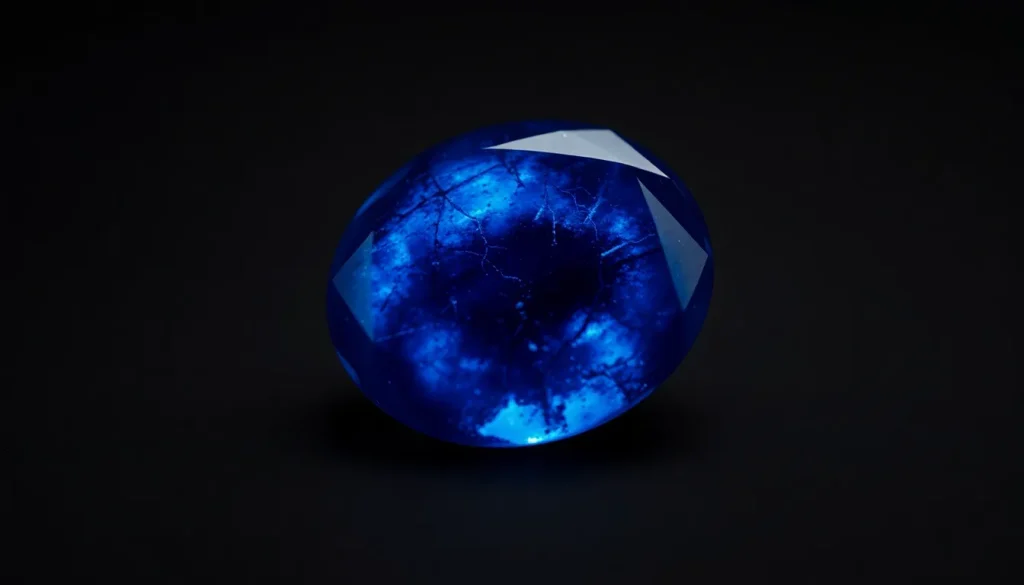
Apatite is a group of phosphate minerals with the general formula Ca5(PO4)3(F,Cl,OH). It occurs in a wide range of colors, most notably vivid blues, greens, and yellows. Because of its relatively high refractive index and vitreous luster, cut apatite can display a striking brilliance, making it a popular choice for ornamental stones and jewelry, especially in cabochon and bead forms.
History and Origin
The name “apatite” derives from the Greek word apate, meaning “deceit,” a reference to its ability to be confused with other gemstones such as emerald or sapphire. Historically, apatite was mined in the United States (Idaho, Maine), Brazil, and Russia for both ornamental use and as a source of phosphorus for fertilizers. In the late 19th and early 20th centuries, the vibrant blue varieties were especially prized in the United States for cameo work and as ornamental stones in Art Nouveau jewelry.
Meaning and Symbolism
In traditional gemstone lore, apatite is associated with communication, self‑expression, and personal growth. It is said to inspire confidence, aid in the articulation of ideas, and help the wearer align with their true purpose. The stone’s wide color palette is often linked to emotional balance—blue for calm, green for renewal, and yellow for optimism.
Healing and Metaphysical Properties
Crystal‑healing practitioners attribute a range of metaphysical qualities to apatite. It is believed to stimulate the throat chakra, enhancing verbal expression and the ability to speak one’s truth. Some traditions claim it can assist in manifesting goals, improving focus, and clearing mental fog. These properties are considered spiritual or symbolic and are not intended as medical advice.
Varieties and Types
- Fluorapatite – Contains fluorine; most common blue and green stones.
- Chlorapatite – Contains chlorine; often displays a deeper green hue.
- Hydroxyapatite – Contains hydroxyl groups; usually colorless to pale yellow and important in biological contexts (human bone).
- Blue Apatite – Highly sought after for jewelry; ranges from sky‑blue to deep azure.
- Green Apatite – Frequently confused with emerald; ranges from pale mint to vivid emerald.
- Yellow/Orange Apatite – Warm, sunny tones used in beadwork.
Jewelry Uses and Care
Because apatite rates 5–5.5 on the Mohs scale, it is softer than many traditional gemstones such as quartz or sapphire. Consequently, it is best suited for earrings, pendants, necklaces, and occasional‑wear rings rather than daily‑wear pieces that endure heavy impact.
Care recommendations:
- Clean with warm, soapy water and a soft brush; avoid ultrasonic cleaners which can exacerbate internal fractures.
- Dry with a lint‑free cloth; store separately from harder stones to prevent scratching.
- Avoid prolonged exposure to harsh chemicals, acids, or high‑temperature heat, as these can alter color or cause surface damage.
- Consider protective settings (e.g., bezel or channel) that shield the stone’s perfect cleavage.
Buying Guide
When purchasing apatite, evaluate the following factors:
- Color Saturation – Vivid, evenly distributed color is most valuable.
- Clarity – Inclusions are common; however, eye‑clean stones command higher prices.
- Cut – Well‑cut cabochons showcase the stone’s depth of color and luster.
- Treatment Disclosure – Some apatite is heat‑treated to enhance color. Reputable dealers should disclose any treatments.
- Origin – Brazil, Madagascar, and Russia are known for higher‑quality specimens.
Because apatite is relatively soft, request a certification from a recognized gemological laboratory (e.g., GIA, IGI) when buying larger or high‑value pieces. This ensures authenticity and provides information on any enhancements.
FAQ
What is apatite good for?
Apatite is prized for its vivid colors in jewelry, as a collector’s specimen, and in crystal‑healing practices for supporting communication and personal growth. It is also an industrial source of phosphorus.
Is apatite rare?
Apatite is relatively common in mineral collections, but high‑quality, vivid blue or green specimens are less abundant. Rarity depends on color saturation, clarity, size, and whether the stone is untreated.
How can you tell if apatite is real?
Real apatite displays a vitreous luster, a hardness of 5–5.5, and perfect cleavage in one direction. It may show a faint fluorescence under UV light. Professional gemologists use refractive index, specific gravity, and spectroscopy to confirm authenticity.
What chakra is apatite associated with?
Traditional crystal‑healing beliefs link apatite most strongly with the Throat / Vishuddhi chakra, supporting clear expression and communication.
How should you clean apatite?
Clean apatite with warm, mildly soapy water and a soft brush. Rinse thoroughly, pat dry with a lint‑free cloth, and store separately from harder stones. Avoid ultrasonic cleaners, harsh chemicals, and high heat.
Leave a Reply