
Short Answer
Overview
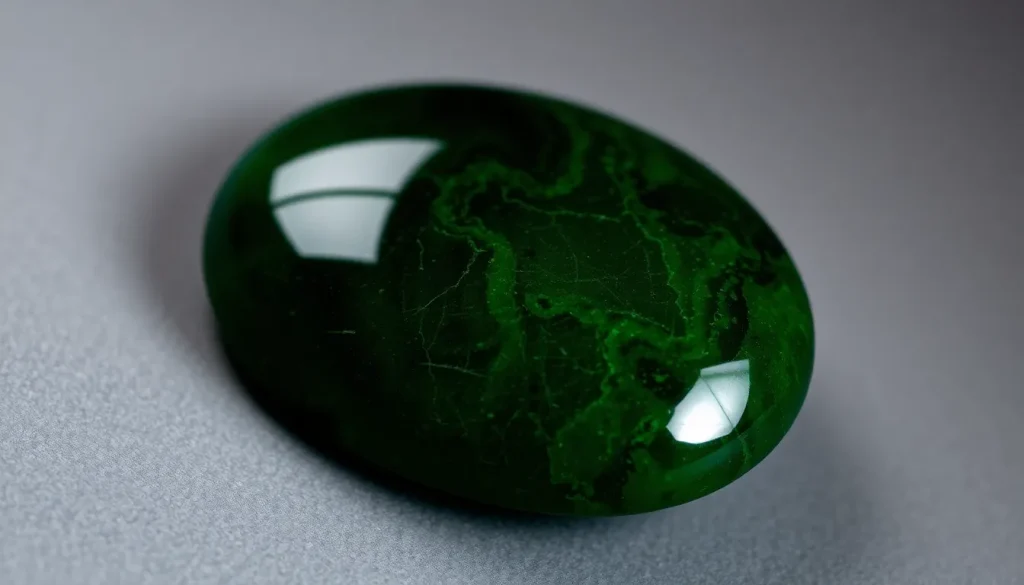
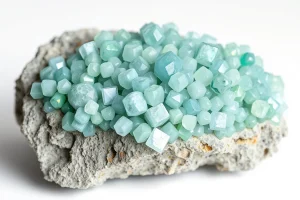
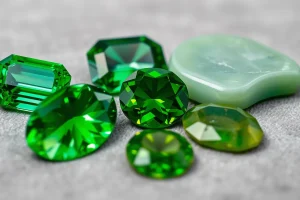
Bowenite is a massive, granular variety of the serpentine mineral group, prized for its jade‑like green color and smooth, waxy luster. Chemically it is a hydrous magnesium iron silicate with the ideal formula (Mg,Fe)3Si2O5(OH)4. The stone typically occurs in massive, compact masses rather than well‑formed crystals, making it ideal for carving, cabochons, and beads.
History and Origin
The name “Bowenite” honors American mineralogist Thomas Bowen, who first described the material in the early 20th century. Historically, Indigenous peoples of the Pacific Northwest and the American West used Bowenite for pendants, tools, and trade items. Significant deposits are found in the United States (Wyoming, California, Oregon), Canada (British Columbia), New Zealand, Madagascar, Russia, and parts of China.
Meaning and Symbolism
In traditional gemstone lore, Bowenite is associated with courage, perseverance, and a deep connection to the earth. Its rich green hue is said to evoke growth and renewal, while its dense, solid feel symbolizes stability and inner strength.
Healing and Metaphysical Properties
Crystal‑healing practitioners attribute Bowenite with heart‑chakra energy, promoting emotional balance, compassion, and forgiveness. It is believed to ground excess mental activity, helping the wearer feel more centered and resilient during stressful times. These properties are regarded as traditional beliefs rather than medical facts.
Varieties and Types
- Green Bowenite: The most common variety, ranging from pale mint to deep olive.
- Brown or Yellow Bowenite: Less common, showing earthy tones that may be enhanced by natural mineral inclusions.
- Black Bowenite: Rare, often displaying a deep, almost opaque darkness.
- New Zealand Greenstone (Pounamu): A cultural term that includes certain Bowenite specimens alongside nephrite jade.
Jewelry Uses and Care
Because of its moderate hardness (5.5–6.5 on the Mohs scale) and excellent workability, Bowenite is frequently carved into beads, pendants, rings, and ornamental objects. Care recommendations:
- Clean with warm, soapy water and a soft brush; avoid ultrasonic cleaners.
- Dry gently with a lint‑free cloth; do not expose to prolonged heat.
- Store separately or in a soft pouch to prevent scratching from harder gemstones.
Buying Guide
When purchasing Bowenite, consider the following criteria:
- Color: Uniform, vibrant green is most desirable; uneven or overly dark tones may indicate lower quality.
- Transparency: Opaque stones are common, but a slight translucency can add value.
- Treatment: Natural Bowenite is rarely treated, but some pieces may be dyed or stabilized; request disclosure.
- Origin: Provenance from well‑known localities (e.g., Wyoming, New Zealand) can affect price.
- Certification: For high‑value items, seek a gemological report from a reputable laboratory.
FAQ
What is Bowenite good for?
Bowenite is valued for its jade‑like appearance in jewelry and carvings, and traditionally believed to promote emotional balance and grounding.
Is Bowenite rare?
Quality green Bowenite is less common than other serpentine varieties, especially in large, uniformly colored pieces; however, it is not considered a scarce gemstone overall.
How can you tell if Bowenite is real?
Real Bowenite feels heavy for its size, has a waxy luster, and shows no bubbles or glazing. Professional testing, such as specific gravity or spectroscopy, confirms authenticity.
What chakra is Bowenite associated with?
In crystal‑healing traditions, Bowenite is linked to the Heart (Anahata) chakra, supporting love and compassion.
How should you clean Bowenite?
Clean with warm soapy water and a soft brush, avoid harsh chemicals or ultrasonic cleaners, and store separately to prevent scratches.
Leave a Reply