
Short Answer
Overview
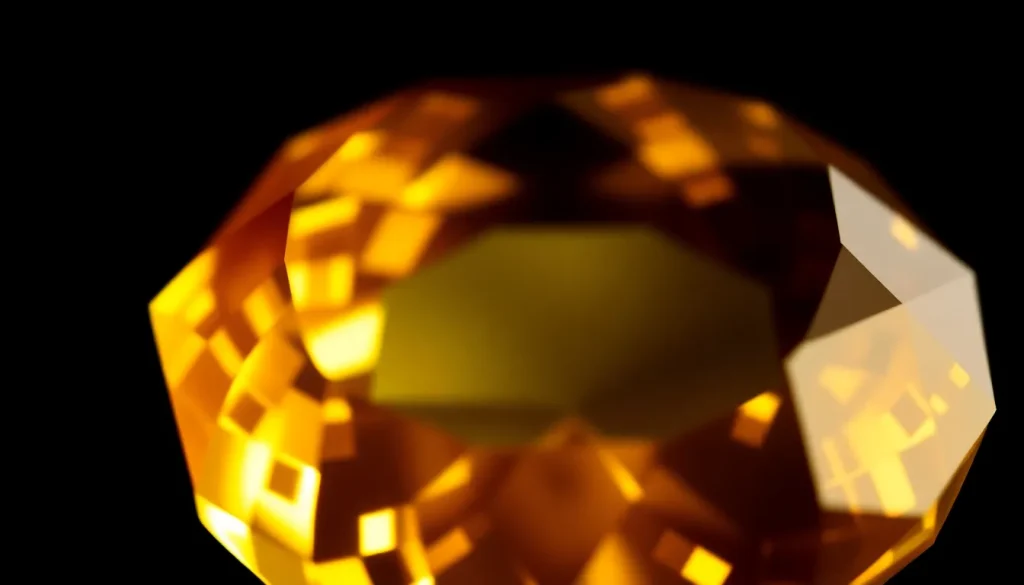
Citrine is a yellow to orange variety of the mineral quartz (SiO₂). Its warm, golden colors range from pale lemon to deep amber, and the stone is widely used in jewelry because it combines attractive color with the durability of quartz. Naturally occurring citrine is relatively rare; most commercial material is heat‑treated amethyst or smoky quartz.
History and Origin
The name “citrine” derives from the Latin citrina, meaning “lemon.” Historically, the stone was mined in Brazil, Spain, and Russia, where natural citrine crystals were found in alluvial deposits and pegmatites. In the 19th century, the practice of heating amethyst or smoky quartz to produce citrine became common, greatly expanding its availability. Today, Brazil remains the principal source, but citrine is also extracted from Madagascar, the United States (Colorado), and several African localities.
Meaning and Symbolism
Traditionally, citrine is associated with prosperity, personal power, and emotional warmth. It is said to inspire confidence, promote motivation, and attract success in business and creative endeavors. In Western folklore, citrine is considered a “stone of abundance,” often given as a gift to celebrate achievements.
Healing and Metaphysical Properties
Within crystal‑healing circles, citrine is believed to stimulate the solar plexus chakra, enhancing personal will and self‑esteem. Practitioners claim it can aid digestion, reduce fatigue, and support the endocrine system, though these statements are not medically verified. Citrine is also thought to dispel negative energies and promote a sunny outlook.
Varieties and Types
While “citrine” refers to the yellow‑orange hue, several sub‑varieties are recognized based on tone and clarity:
- Golden citrine – rich amber to honey tones, often highly transparent.
- Palid citrine – light lemon shades, sometimes with a milky translucency.
- Heat‑treated amethyst – originally purple quartz transformed by controlled heating.
- Heat‑treated smoky quartz – dark brown quartz lightened to a warm golden hue.
All share the same chemical composition as quartz; the color difference is due to trace iron impurities and, in many cases, heat‑induced changes in the crystal lattice.
Jewelry Uses and Care
Because citrine ranks 7 on the Mohs hardness scale, it is suitable for rings, pendants, earrings, and watch crystals. Its vitreous luster and bright color make it a popular alternative to topaz or yellow sapphire. Care recommendations:
- Clean with warm, soapy water and a soft brush; avoid harsh chemicals.
- Use a soft cloth for polishing; ultrasonic cleaners are acceptable if the stone is not heat‑treated.
- Store separately from harder gemstones (e.g., diamond) to prevent scratching.
Heat‑treated citrine should be handled gently, as sudden temperature changes can cause micro‑fractures.
Buying Guide
When purchasing citrine, consider the following factors:
- Color intensity – Deep, saturated hues are generally more valued than pale tones.
- Clarity – Inclusions are common; eye‑clean stones command higher prices.
- Treatment disclosure – Reputable dealers will state whether the stone is natural or heat‑treated.
- Cut and symmetry – Well‑cut facets enhance brilliance and hide minor inclusions.
- Certification – Gemological certificates (e.g., GIA) provide assurance of authenticity.
Natural citrine of high quality is rarer and more expensive than treated material, but both can provide beautiful jewelry when sourced responsibly.
FAQ
What is citrine good for?
Citrine is prized for its bright color in jewelry and is traditionally believed to promote confidence, prosperity, and emotional warmth. Its durability also makes it suitable for everyday wear.
Is citrine rare?
Natural, deep‑colored citrine is relatively rare, but the majority of market‑available citrine is heat‑treated amethyst or smoky quartz, making the stone more common and affordable.
How can you tell if citrine is real?
Real citrine feels heavy for its size, shows a vitreous luster, and has a refractive index of 1.544–1.553. A professional gemologist can confirm authenticity and disclose any heat treatment.
What chakra is citrine associated with?
In crystal‑healing traditions, citrine is linked to the Solar Plexus chakra, where it is said to enhance personal power and self‑esteem.
How should you clean citrine?
Clean citrine with warm, mild soapy water and a soft brush. Avoid harsh chemicals and sudden temperature changes, especially for heat‑treated stones, and store separately from harder gems.
Leave a Reply