
Short Answer
Overview
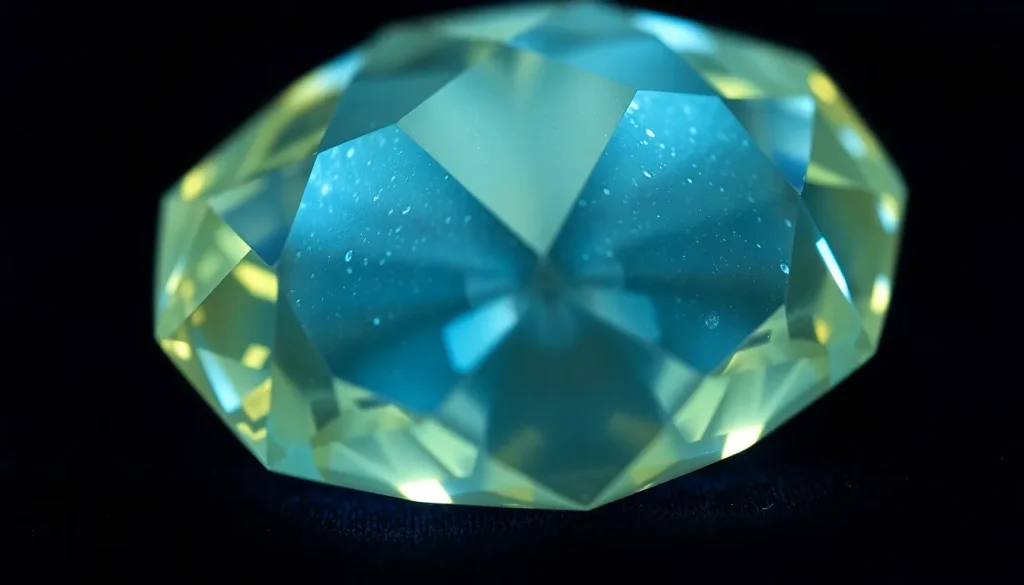
Scheelite is a calcium tungstate mineral with the chemical formula CaWO4. It crystallizes in the tetragonal system and is known for its high refractive index, adamantine luster, and strong blue‑white fluorescence under ultraviolet light. While primarily mined for tungsten, high‑quality transparent specimens are cut as gemstones for jewelry.
History and Origin
The mineral was first described in 1768 and named after the Swedish chemist Carl Wilhelm Scheele, who isolated tungsten from the ore in 1781. Early European collectors prized scheelite for its bright fluorescence, and the stone has been documented in museum collections since the 19th century. Major deposits are found in China, Portugal, the United States (California), Russia, the Democratic Republic of Congo, Spain, and Austria.
Meaning and Symbolism
In traditional gemstone lore, scheelite is associated with clarity of purpose and the ability to “shine through darkness.” It is said to encourage ambition, focus, and the manifestation of goals. The stone’s bright fluorescence has led to symbolism of inner light and spiritual awakening.
Healing and Metaphysical Properties
Crystal‑healing practitioners attribute scheelite with the following beliefs:
- Enhances mental clarity and aids in decision‑making.
- Supports the heart chakra, promoting emotional balance and compassion.
- Helps release old patterns, encouraging personal transformation.
- Believed to boost confidence in professional and creative endeavors.
These properties are based on traditional and metaphysical traditions and should not be taken as medical advice.
Varieties and Types
Scheelite occurs in several color ranges, most commonly colorless to white, but specimens can be pale yellow, brown, or exhibit a faint gray hue. The stone’s most famous characteristic is its intense blue‑white fluorescence under short‑wave UV light, which can be a useful diagnostic feature.
Gem‑quality scheelite is typically cut in brilliant or step cuts to maximize its brilliance and to showcase fluorescence. Inclusions are common, and clarity can vary from eye‑clean to heavily included. The mineral is sometimes found as well‑formed euhedral crystals, which are prized by collectors.
Jewelry Uses and Care
Because scheelite has a Mohs hardness of 4.5–5, it is softer than many traditional gemstones and requires protective settings. It is best suited for earrings, pendants, and brooches where impact is minimal. Avoid high‑impact rings or bracelets that may scratch or chip the stone.
Cleaning should be done with warm soapy water and a soft brush. Do not expose scheelite to ultrasonic cleaners or steam, as sudden temperature changes can cause micro‑fractures, especially in specimens with visible inclusions.
Buying Guide
When purchasing scheelite consider the following factors:
- Color and Transparency: Colorless or lightly yellow stones with high transparency are most valued.
- Fluorescence: Strong blue‑white fluorescence under UV light adds desirability and can help confirm authenticity.
- Cut and Clarity: Well‑cut stones with minimal inclusions command higher prices.
- Origin: Provenance from recognized localities (e.g., China, Portugal) may affect value.
- Treatment Disclosure: Natural scheelite is rarely treated, but some stones may be enhanced by heat to improve color; reputable dealers will disclose any treatment.
Because scheelite can be confused with other white or yellow gemstones such as quartz or topaz, obtain a certificate from a qualified gemological laboratory for high‑value pieces.
FAQ
What is scheelite good for?
Scheelite is valued for its high refractive index and bright fluorescence, making it attractive in jewelry and as a collector's mineral. Traditionally, it is believed to promote mental clarity and emotional balance, especially for heart‑centered intentions.
Is scheelite rare?
High‑quality, transparent scheelite is less common than many commercial gemstones, but the mineral itself is abundant in tungsten‑producing districts. Rarity increases with colorless clarity, strong fluorescence, and origin from well‑known localities.
How can you tell if scheelite is real?
Real scheelite shows a high specific gravity (≈6), perfect cleavage, and strong blue‑white fluorescence under UV light. Professional testing, such as refractive index measurement or a gemological report, is recommended for certainty.
What chakra is scheelite associated with?
In crystal‑healing traditions, scheelite is commonly linked to the heart chakra, supporting love, compassion, and emotional harmony.
How should you clean scheelite?
Clean scheelite gently with warm, soapy water and a soft brush. Avoid ultrasonic cleaners, steam, or harsh chemicals, and store the stone away from hard impacts due to its moderate hardness.
Leave a Reply