
Short Answer
Overview
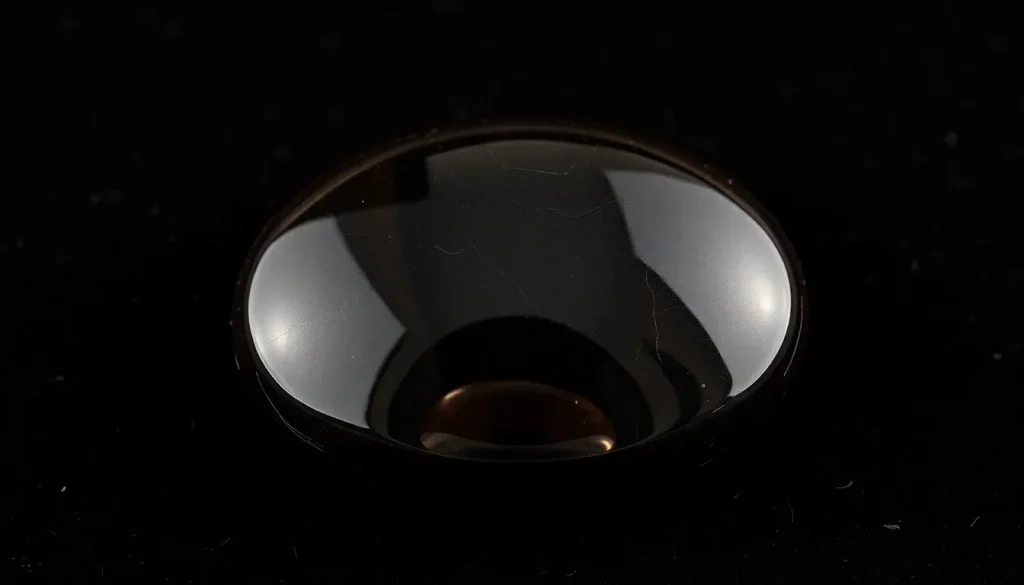
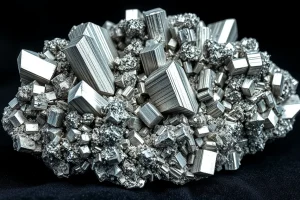
Gadolinite is a rare, high‑density silicate mineral that contains beryllium, yttrium, and a suite of rare‑earth elements. It is most commonly encountered as a black‑brown, opaque crystal found in granitic pegmatites. Although not a traditional gemstone, polished specimens are sometimes used in ornamental jewelry or as cabochons.
History and Origin
Discovered in 1812 in a Norwegian pegmatite near Langesundsfjord, the mineral was named after Finnish chemist Johan Gadolin, who first isolated the rare earth element yttrium from the mineral. Gadolinite occurs worldwide in pegmatitic environments where beryllium‑rich melts concentrate rare‑earth elements. Notable localities include Norway, Brazil (Bahia), the United States (California, New Hampshire), and the Ural Mountains of Russia.
Meaning and Symbolism
In folklore and modern crystal‑healing circles, gadolinite is thought to embody the deep, grounding energy of the earth because of its heavy, dark appearance. It is sometimes associated with perseverance, inner strength, and the uncovering of hidden potential.
Healing and Metaphysical Properties
Traditional beliefs attribute the following metaphysical qualities to gadolinite:
- Grounding and protection: Said to anchor the wearer’s energy to the planet and shield against negative influences.
- Focus and clarity: Believed to help clarify thoughts and support decision‑making.
- Rare‑earth activation: Some practitioners claim it can stimulate the subtle energies linked to rare‑earth elements, enhancing intuition.
These claims are not supported by scientific evidence and should not replace professional medical advice.
Varieties and Types
Two principal varieties are recognized based on the dominant rare‑earth element:
| Variety | Dominant Element | Typical Color |
|---|---|---|
| Gadolinite‑Y | Yttrium | Black to dark brown |
| Gadolinite‑Ce | Cerium | Brownish‑yellow to brown |
Both varieties share the same crystal system and physical properties, but subtle differences in color and trace element chemistry can be observed under magnification.
Jewelry Uses and Care
Because gadolinite is relatively hard (6–7 on the Mohs scale) and has a high specific gravity, it can be cut into cabochons or used as ornamental beads. Its submetallic luster makes it attractive for statement pieces, especially when set in silver or gold that contrasts with its dark hue.
Care recommendations:
- Clean with a soft, lint‑free cloth; avoid abrasive cleaners.
- Use mild detergent and warm water for deeper cleaning; do not soak for prolonged periods.
- Avoid prolonged exposure to acids, chlorine, or strong chemicals, which can alter surface appearance.
- Store separately from softer gems to prevent scratching.
Buying Guide
When purchasing gadolinite, consider the following factors:
- Origin and authenticity: Reputable dealers will provide provenance, especially for specimens from classic localities such as Norway or Brazil.
- Color and clarity: Deep, uniform black or brown specimens are most valued; heavy inclusions or zoning may reduce aesthetic appeal.
- Cut and finish: Well‑polished cabochons exhibit a smooth, reflective surface that highlights the mineral’s submetallic luster.
- Treatment disclosure: Gadolinite is rarely treated, but any heat or surface coating should be disclosed.
- Certification: For high‑value pieces, request a gemological report from a recognized laboratory.
Because gadolinite is a collector’s mineral, prices vary widely based on size, quality, and rarity of the locality.
FAQ
What is gadolinite good for?
Gadolinite is valued by collectors for its rarity and high density, and it is sometimes fashioned into cabochons for ornamental jewelry. In crystal‑healing traditions it is believed to provide grounding, protection, and mental clarity, though these claims are not scientifically verified.
Is gadolinite rare?
Gadolinite is considered a rare mineral overall; high‑quality, well‑colored specimens suitable for jewelry are especially scarce. Availability varies by locality, with classic sources such as Norway and Brazil producing the most collectible material.
How can you tell if gadolinite is real?
Real gadolinite is heavy for its size (specific gravity ~7.2), displays a submetallic to vitreous luster, and is typically black‑brown and opaque. It lacks cleavage and shows a conchoidal fracture. Professional gemological testing, including refractive index measurement and X‑ray diffraction, is recommended for certainty.
What chakra is gadolinite associated with?
In crystal‑healing lore gadolinite is linked to grounding energies and is sometimes connected to the Root Chakra, though no single standard chakra association exists.
How should you clean gadolinite?
Clean gadolinite with a soft, lint‑free cloth. For deeper cleaning, use warm water with a mild detergent and gently wipe; avoid harsh chemicals, acids, or prolonged soaking. Because it is relatively hard, it tolerates gentle polishing but should be stored away from softer gemstones to prevent scratches.
Leave a Reply