
Short Answer
Overview
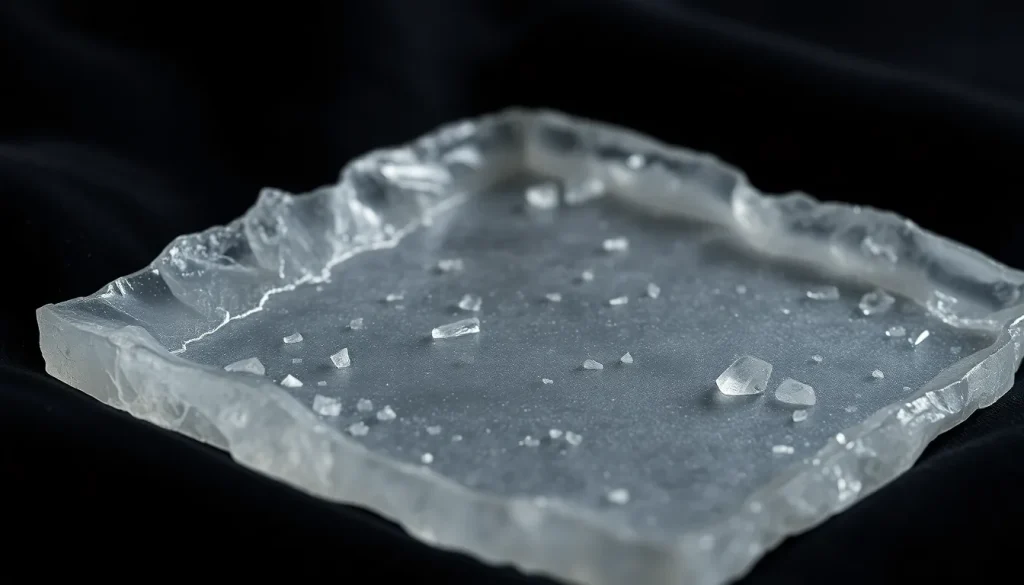
Selenite is a transparent to translucent variety of the mineral gypsum (calcium sulfate dihydrate). It is prized for its silky, pearly luster and its ability to form large, flat sheets or delicate, fibrous crystals. Because of its low hardness, selenite is primarily used in decorative objects, meditation tools, and as a collector’s crystal rather than in mainstream jewelry.
History and Origin
The name “selenite” derives from the Greek word selênê meaning “moon,” reflecting the stone’s moon‑like glow. Large sheets of selenite have been documented in ancient Egyptian tombs, where they were used for polishing mirrors and as a writing surface. Modern commercial extraction began in the United States in the early 20th century, particularly from deposits in Oklahoma and Nevada.
Meaning and Symbolism
In traditional folklore, selenite is associated with purity, clarity, and spiritual illumination. It is often described as a “gateway” stone that helps to clear mental clutter and enhance intuition. Many cultures view its shimmering surface as a representation of the moon’s gentle energy.
Healing and Metaphysical Properties
Within crystal‑healing circles, selenite is believed to:
- Promote mental clarity and calm.
- Assist in meditation by raising the user’s vibration.
- Cleanse and recharge other crystals, acting as a “spiritual vacuum.”
These properties are based on tradition and personal experience; they are not supported by medical science.
Varieties and Types
Selenite occurs in several forms, each named for its typical habit:
- Clear Selenite (Crystal Selenite) – Transparent sheets or slabs with a glassy to pearly sheen.
- Satin Spar – Fibrous, silky‑textured crystals that appear hazy and are often used for ornamental carving.
- Gypsum “Moonstone” – Large, moon‑shaped slabs that display a soft, glowing translucency.
Jewelry Uses and Care
Because selenite rates only 2 on the Mohs scale, it scratches easily and can be damaged by heat or acids. When incorporated into jewelry, it is usually set in protective bezels, mounted as pendants, or used as a decorative accent in earrings and brooches. Care recommendations:
- Handle with soft gloves or a cloth to avoid fingerprints.
- Clean with a soft, dry brush or a lightly dampened lint‑free cloth; avoid ultrasonic cleaners.
- Store pieces separately, wrapped in tissue, to prevent scratching against harder gemstones.
- Keep away from direct sunlight and high temperatures, which can cause dehydration and surface crazing.
Buying Guide
When purchasing selenite, consider the following factors:
- Clarity and Transparency – Clear, unblemished sheets are most valued for decorative and metaphysical purposes.
- Size and Shape – Large, flat slabs are prized for altar displays; smaller fibers are popular for crystal grids.
- Source and Treatment – Genuine, untreated selenite will feel cool and have a natural pearly luster. Beware of dyed or polymer‑coated specimens marketed as “enhanced.”
- Certification – For high‑value pieces, request a gemological report confirming the mineral’s identity and any treatments.
Reputable dealers will provide clear return policies and detailed photographs of the actual specimen.
FAQ
What is selenite good for?
Selenite is used decoratively, in meditation tools, and as a collector’s crystal. Traditionally, it is believed to promote mental clarity, calm, and spiritual connection, though these claims are not medically proven.
Is selenite rare?
Selenite is relatively common in gypsum deposits, but high‑quality, large, clear specimens are less abundant and can be more valuable, especially when sourced from renowned localities.
How can you tell if selenite is real?
Real selenite feels cool, has perfect cleavage, and displays a pearly luster. Look for natural fractures and a low hardness (can be scratched with a fingernail). Professional gemological testing confirms authenticity.
What chakra is selenite associated with?
In crystal‑healing traditions, selenite is most often linked to the Crown Chakra, helping to elevate spiritual awareness.
How should you clean selenite?
Clean gently with a soft, dry brush or a lightly dampened lint‑free cloth. Avoid ultrasonic cleaners, harsh chemicals, and high heat, as selenite is soft (Mohs 2) and can be damaged easily.
Leave a Reply