
Short Answer
Overview
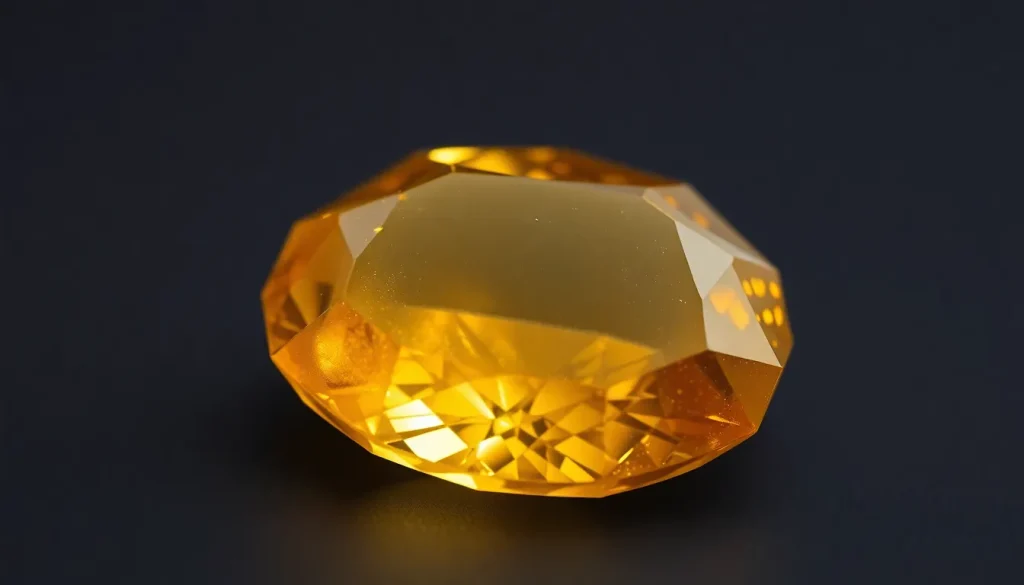
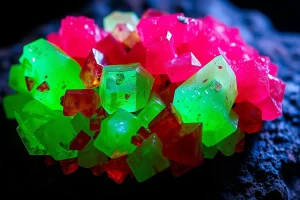
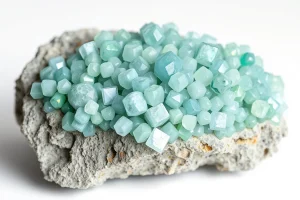
Stolzite is the mineral form of lead tungstate (PbWO4). It belongs to the oxide class and crystallises in the tetragonal system. The stone is characterised by a high specific gravity (7.5–8), an adamantine to sub‑adamantine luster, and colours that range from colourless to yellow, brown, and reddish hues. Because of its density and brilliance, it is occasionally cut for collectors’ pieces, though it is not a common commercial gemstone.
History and Origin
The name “stolzite” honours the Austrian mineralogist Stolz, who first described the mineral in the early 19th century. It occurs as a secondary mineral in oxidised zones of tungsten‑bearing ore deposits, often alongside scheelite (CaWO4). Major historic localities include the Erzgebirge region of Germany and the Czech Republic, where it was first identified.
Meaning and Symbolism
In traditional gemstone lore, stolzite is associated with grounding and protection. Its heavy nature is said to anchor the wearer’s intentions, while the bright adamantine sheen is thought to reflect inner clarity. Because it is a source of tungsten, some cultures view it as a symbol of strength and resilience.
Healing and Metaphysical Properties
Crystal‑healing practitioners attribute the following properties to stolzite:
- Grounding: Believed to help stabilise emotions and provide a sense of security.
- Energy Amplification: Its high refractive index is thought to magnify surrounding energies.
- Physical Support: Traditionally linked to supporting the skeletal and muscular systems, though these claims are not medical advice.
These beliefs are part of cultural traditions and should not replace professional health care.
Varieties and Types
Stolzite does not have widely recognised varieties, but its appearance can differ based on trace impurities:
- Colourless stolzite – rare, highly transparent specimens.
- Yellow to brown stolzite – the most common colour range, caused by iron or manganese inclusions.
- Reddish stolzite – caused by minor amounts of chromium or other transition metals.
Jewelry Uses and Care
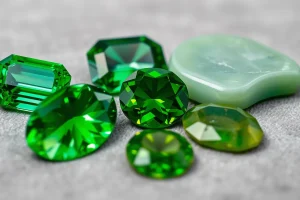
When cut, stolzite is used in pendants, cabochons, and occasional faceted pieces. Its low hardness (2.5–3 on the Mohs scale) makes it vulnerable to scratches, so settings that protect the surface are recommended.
- Cleaning: Use a soft, lint‑free cloth. Mild warm soapy water can be employed, but avoid ultrasonic cleaners and harsh chemicals.
- Storage: Keep separate from harder gemstones; a soft pouch or fabric-lined box is ideal.
- Wear: Prefer necklaces or earrings rather than rings, where the stone is more exposed to abrasion.
Buying Guide
When purchasing stolzite, consider the following factors:
- Colour and Clarity: Transparent, lightly coloured stones are the most valued.
- Cut Quality: A well‑executed cabochon or facet that protects the surface will enhance durability.
- Origin Documentation: Reputable dealers will provide locality information and, if possible, a gemological report confirming the mineral’s identity.
- Treatments: Stolzite is rarely treated, but any enhancement (e.g., heat‑induced colour change) should be disclosed.
Because the stone is uncommon, prices can vary widely. Obtain a written guarantee and consider having the piece independently verified by a certified gemologist.
FAQ
What is stolzite good for?
Stolzite is valued by collectors for its high density, adamantine luster, and unique colour range. Traditionally it is associated with grounding and protection, while crystal‑healing circles attribute it with energy‑amplifying properties.
Is stolzite rare?
High‑quality, transparent specimens are relatively rare because the mineral forms in limited localities and is soft, making it less suitable for everyday jewelry. Common, lower‑grade material is more abundant in tungsten ore districts.
How can you tell if stolzite is real?
Real stolzite has a high specific gravity (≈7.5), an adamantine luster, and a refractive index above 2.3. Simple tests include a heavy‑feel assessment and checking for a white streak. Professional gemological testing (e.g., X‑ray diffraction) provides certainty.
What chakra is stolzite associated with?
In crystal‑healing traditions, stolzite is sometimes linked to grounding energies, which are associated with the Root Chakra, though there is no universally accepted chakra assignment.
How should you clean stolzite?
Because stolzite is soft, clean it gently with a soft, lint‑free cloth and lukewarm soapy water if needed. Avoid ultrasonic cleaners, harsh chemicals, and abrasive materials that could scratch or damage the surface.
Leave a Reply