Short Answer
Overview
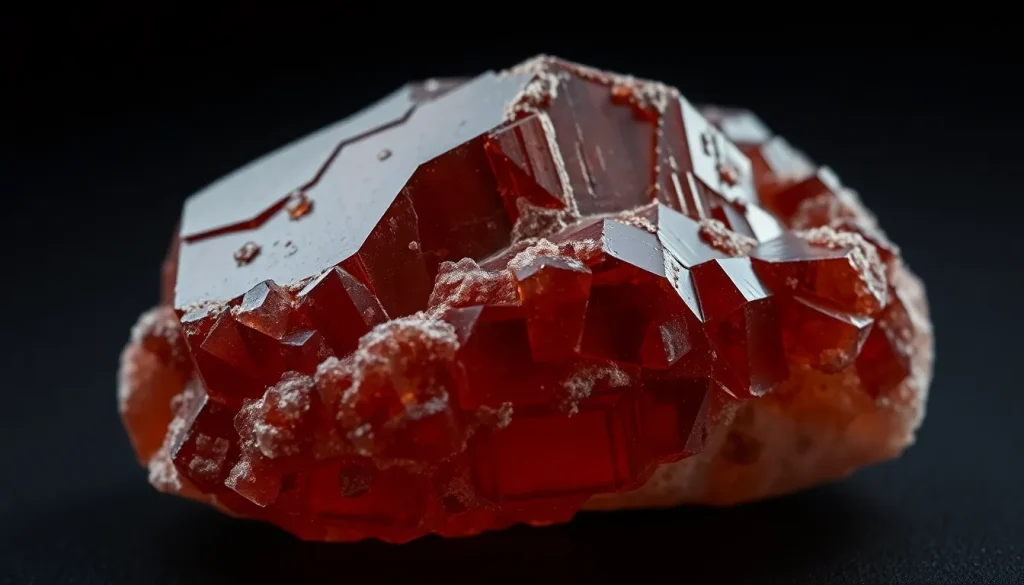
Tephroite is the manganese‑rich end‑member of the olivine group, with the chemical formula Mn2SiO4. It forms orthorhombic crystals that are typically brown, reddish‑brown, or grayish in color. Although not a common gemstone in mainstream jewelry, tephroite is prized by collectors for its rarity and distinctive hue.
History and Origin
The name “tephroite” derives from the Greek word tephros, meaning ash‑gray, referencing its typical coloration. The type locality is the Kola Peninsula in Russia, but significant specimens have also been reported from Finland, Sweden, Norway, the United States (California), and Canada (Ontario). Historically, tephroite has been studied primarily for its geological significance as an indicator of manganese‑rich metamorphic environments.
Meaning and Symbolism
In traditional crystal lore, tephroite is associated with grounding, stability, and the encouragement of practical decision‑making. Its earthy tones are said to help the wearer feel more connected to the physical world, fostering perseverance and resilience during challenging times.
Healing and Metaphysical Properties
Crystal‑healing practitioners claim that tephroite can aid in balancing the body’s energy, particularly in the root and sacral chakras. It is believed to support the digestive system, strengthen the immune response, and promote emotional steadiness. These statements reflect traditional beliefs and are not medical advice.
Varieties and Types
- Pure manganese tephroite – displays deep brown to reddish‑brown colors.
- Mixed‑metal tephroite – contains minor iron or magnesium, resulting in grayish or greenish tints.
- Colorless tephroite – rare, when manganese content is low, producing near‑transparent crystals.
Jewelry Uses and Care
Because tephroite ranks 6.5–7 on the Mohs scale, it can be set in rings, pendants, and earrings, provided the design protects it from hard impacts. The stone is brittle along certain planes, so settings that cushion the gem are recommended. Cleaning should be done with a soft, lint‑free cloth and mild soap and lukewarm water. Avoid ultrasonic cleaners and harsh chemicals, as they may affect surface luster.
Buying Guide
When purchasing tephroite, consider the following:
- Color and clarity – Deep, even brown tones without excessive inclusions are most valued.
- Cut – Well‑cut stones display good brilliance; avoid overly shallow cuts that expose cleavage.
- Origin documentation – Reputable dealers should provide locality information and, if possible, a gem‑ological report.
- Treatment disclosure – Natural tephroite is rarely treated, but any heat or coating should be disclosed.
Because tephroite is not widely traded, prices can vary significantly. Authentic specimens are often sold as collector’s pieces rather than mainstream jewelry gems.
FAQ
What is tephroite good for?
Tephroite is valued by collectors for its rarity and distinct brown coloration. In traditional crystal lore it is believed to aid grounding, perseverance, and practical decision‑making.
Is tephroite rare?
High‑quality tephroite specimens are relatively rare due to limited geographic occurrences and the specific conditions required for manganese‑rich olivine formation.
How can you tell if tephroite is real?
Authentic tephroite displays a characteristic brown to reddish‑brown hue, a vitreous luster, and a hardness of 6.5–7. Professional gemologists can confirm identity with refractive index measurements and X‑ray diffraction.
What chakra is tephroite associated with?
Traditional crystal‑healing sources associate tephroite with the Root (Muladhara) chakra, though no single standard chakra is universally recognized.
How should you clean tephroite?
Clean tephroite gently with a soft cloth, mild soap, and lukewarm water. Avoid ultrasonic cleaners, steam, and harsh chemicals to prevent surface damage.
Leave a Reply