
Short Answer
Overview
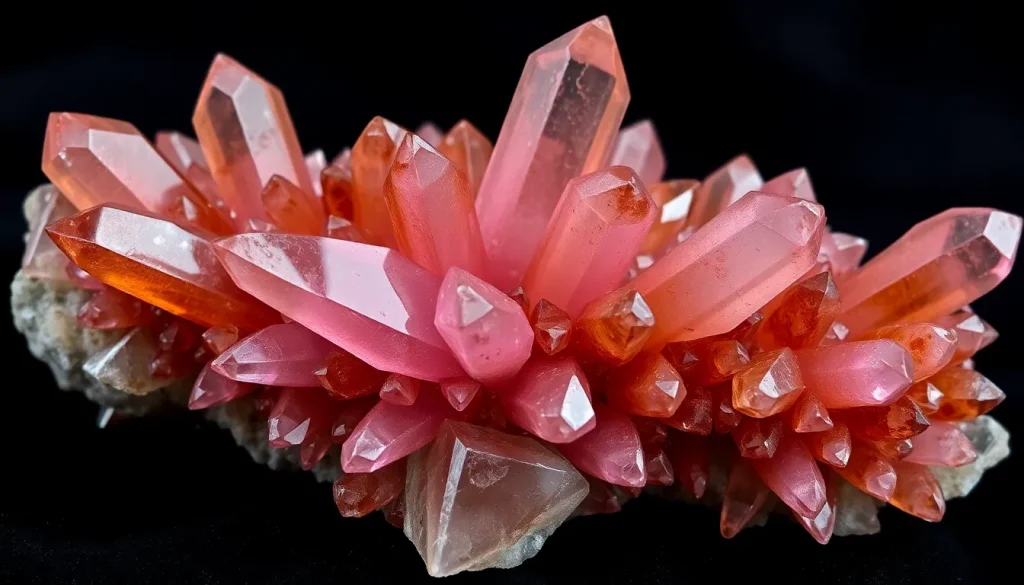
Triplite is a phosphate mineral that forms in the orthorhombic crystal system. It is composed principally of manganese, iron, phosphate, fluorine, and hydroxyl. The stone is most noted for its range of earthy colors—brown, reddish‑brown, pink, purple, yellow and occasionally colorless—paired with a vitreous to sub‑adamantine luster. Because of its relative rarity in gem‑quality form and distinctive pleochroism, triplite is used in collectors’ pieces and occasionally in custom jewelry.
History and Origin
The name “triplite” derives from the Greek word triplo meaning “three‑fold,” a reference to its characteristic three directions of perfect cleavage. First described in 1812 from specimens in the Harz Mountains of Germany, triplite has since been reported from a variety of pegmatitic and hydrothermal environments worldwide. Notable localities include Brazil, Madagascar, the United States (North Carolina), Russia, Canada (Ontario), and Finland.
Meaning and Symbolism
In traditional gemstone lore, triplite is associated with grounding and stability. Its earthy tones are thought to encourage confidence in one’s decisions and to promote a steady, pragmatic outlook. Collectors value the stone for its uniqueness and the sense of individuality it brings to a piece of jewelry.
Healing and Metaphysical Properties
Crystal‑healing practitioners attribute triplite with the ability to balance the root and solar plexus chakras, fostering personal power and emotional resilience. It is believed to aid in releasing old patterns, supporting transformation, and enhancing focus. These claims are part of traditional belief systems and are not intended as medical advice.
Varieties and Types
Triplite occurs in several compositional varieties, primarily distinguished by the dominant cation:
- Manganese‑rich triplite – displays deeper brown to reddish hues.
- Iron‑rich triplite – tends toward darker brown and blackish tones.
- Fluorine‑rich triplite – often lighter, with pink to violet coloration.
These varieties may be referred to by trade names such as “manganese triplite” or “iron triplite,” but all belong to the same mineral species.
Jewelry Uses and Care
Because triplite rates 5–5.5 on the Mohs scale, it is considered a relatively soft gemstone. It is best suited for earrings, pendants, and occasional‑wear pieces rather than high‑impact rings. When set in protective settings, the stone’s natural pleochroism can be showcased from multiple angles.
Care recommendations:
- Avoid harsh chemicals, ultrasonic cleaners, and steam.
- Clean gently with a soft brush and lukewarm soapy water, then pat dry.
- Store separately from harder gemstones to prevent scratching.
- Keep away from prolonged sunlight, which can cause minor fading over many years.
Buying Guide
When purchasing triplite, consider the following factors:
- Color and clarity – Look for even, saturated hues without excessive inclusions.
- Cut – Well‑cut stones will display pleochroic color shifts and maximize brilliance.
- Origin – Reputable sources from known localities (e.g., Brazil, Madagascar) often provide higher quality material.
- Treatment disclosure – Natural triplite is rarely treated, but any heat or irradiation should be disclosed by the seller.
- Certification – For valuable pieces, request a gemological report from a recognized laboratory.
Engage a qualified gemologist for verification if you are unsure about a specimen’s authenticity.
FAQ
What is triplite good for?
Triplite is valued for its distinctive earthy colors and pleochroism, making it a collector’s gemstone and a unique option for custom jewelry. Traditional crystal‑healing beliefs also associate it with grounding and personal empowerment.
Is triplite rare?
High‑quality, gem‑grade triplite is relatively uncommon because it forms in limited pegmatite deposits and often exhibits inclusions. Rarity varies by locality, color, and clarity, with specimens from Brazil and Madagascar being among the most sought after.
How can you tell if triplite is real?
Authentic triplite displays a vitreous luster, a white streak, and perfect cleavage on {010}. Its hardness of 5–5.5 means it can be scratched by quartz but not by a steel nail. Professional testing, such as refractive index measurement or spectroscopy, is recommended for certainty.
What chakra is triplite associated with?
In crystal‑healing traditions, triplite is linked to the root and solar plexus chakras, supporting grounding and personal power. These associations are based on belief, not scientific evidence.
How should you clean triplite?
Clean triplite gently with lukewarm soapy water and a soft brush. Rinse and pat dry. Avoid ultrasonic cleaners, steam, and harsh chemicals, and store it separately from harder gemstones to prevent scratching.
Leave a Reply