
Short Answer
Overview
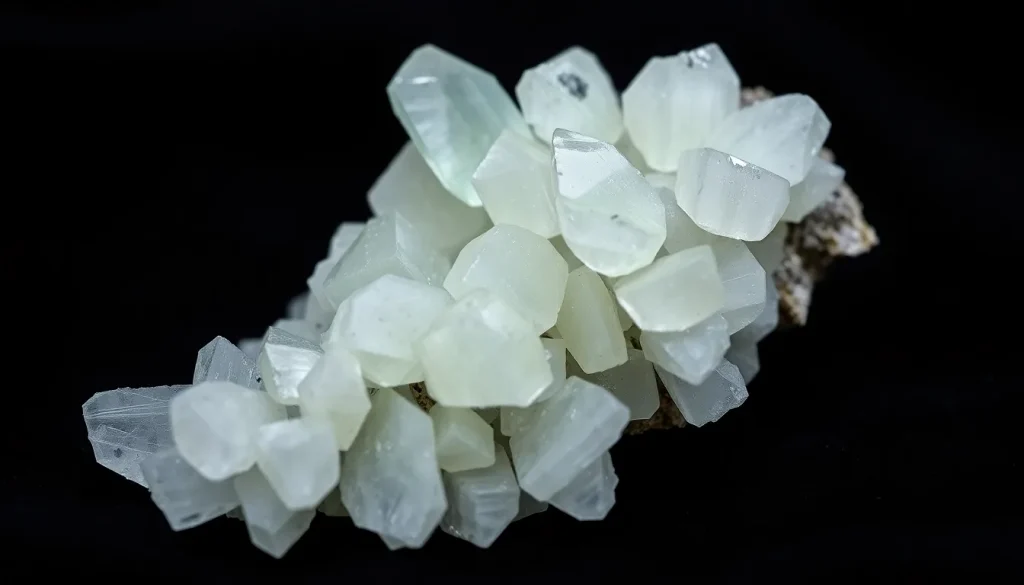
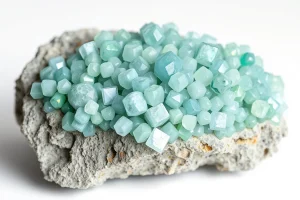
Alunite (chemical formula KAl3(SO4)2(OH)6) is a hydrous potassium aluminum sulfate mineral that forms in the oxidized zones of sulfide ore deposits and in volcanic fumaroles. It crystallises in the trigonal system, typically as tabular or pseudo‑hexagonal plates, and is prized for its subtle colour palette ranging from pure white to pale green, yellow, brown, and occasionally reddish tones.
History and Origin
The name “alunite” derives from the Arabic word alūn meaning “alum,” reflecting the mineral’s historic role as a natural source of potash alum. Early uses date back to antiquity, when alunite was roasted to produce alum for dyeing, leather tanning, and medicinal purposes. Modern mineralogists first described alunite as a distinct species in the early 19th century, and it is now recognised as the type species of the alunite group, which includes several chemically related sulfate minerals.
Meaning and Symbolism
In traditional gemstone lore, alunite is associated with stability, grounding, and perseverance. Its earthy tones are said to echo the natural world, encouraging a connection to the land and fostering a sense of inner steadiness. Collectors often value alunite for its understated beauty and its symbolic representation of resilience.
Healing and Metaphysical Properties
Within crystal‑healing traditions, alunite is believed to support the root chakra, helping to anchor energy and promote a feeling of safety. Practitioners claim it can aid in releasing emotional blockages, encouraging emotional balance, and assisting with issues of self‑esteem. These properties are based on longstanding folklore and should not be taken as medical advice.
Varieties and Types
- White Alunite – Dominantly colourless to white, often used in decorative carvings.
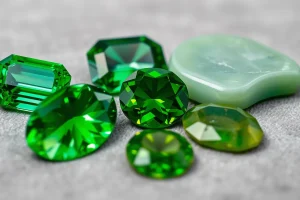
- Green Alunite – Exhibits pale to medium green hues due to trace iron or manganese.
- Yellow to Brown Alunite – Contains varying amounts of ferric iron, giving yellow, tan, or brown shades.
- Reddish Alunite – Rare, with a subtle pink to reddish tint caused by manganese.
Jewelry Uses and Care
Alunite’s moderate hardness (3.5–4.5 on the Mohs scale) limits its use to pieces that are less prone to abrasion, such as pendants, earrings, and brooch settings where the stone is protected by a bezel or setting. Because it can be porous and may contain inclusions, it should be handled gently and stored separately from harder gemstones to avoid scratching.
Cleaning: Use a soft, lint‑free cloth and mild soap‑water solution. Avoid ultrasonic cleaners, steam, or harsh chemicals, as they can damage the surface or alter any natural coloration.
Buying Guide
- Verify the mineral composition with a reputable gem‑lab report, especially if the stone is marketed as “alunite gemstone.”
- Examine colour consistency; high‑quality specimens display even, saturated hues without excessive veining.
- Check for treatments. Some alunite is heat‑treated to enhance colour; ask the seller for disclosure.
- Assess cut and polish. Because alunite is relatively soft, a well‑executed cabochon or protective setting is preferable.
- Consider provenance. Specimens from classic localities such as Utah (USA), Sicily (Italy), or Spain are often valued for their clarity and historic significance.
FAQ
What is alunite good for?
Alunite is valued for its subtle colour in ornamental jewelry and carving, and traditionally it has been used as a source of potash alum for dyeing and tanning. In crystal‑healing circles it is believed to aid grounding and emotional balance, though these claims are not medically verified.
Is alunite rare?
Alunite is not considered rare in its raw mineral form, but high‑quality, well‑coloured, and untreated specimens suitable for jewelry are less common. Rarity increases with size, clarity, and desirable colour such as vivid green or consistent yellow.
How can you tell if alunite is real?
Real alunite exhibits a vitreous‑pearly luster, perfect basal cleavage, and a white streak. It is relatively soft (Mohs 3.5‑4.5) and may feel slightly greasy to the touch. Professional gemological testing, such as refractive index measurement and X‑ray diffraction, provides definitive confirmation.
What chakra is alunite associated with?
In traditional crystal‑healing belief alunite is linked to the Root chakra, supporting grounding and stability. This association is symbolic and not based on scientific evidence.
How should you clean alunite?
Clean alunite gently with a soft cloth and lukewarm soapy water. Rinse with clean water and pat dry. Avoid ultrasonic cleaners, steam, or harsh chemicals, as the mineral can be porous and may be damaged by aggressive cleaning methods.
Leave a Reply