
Short Answer
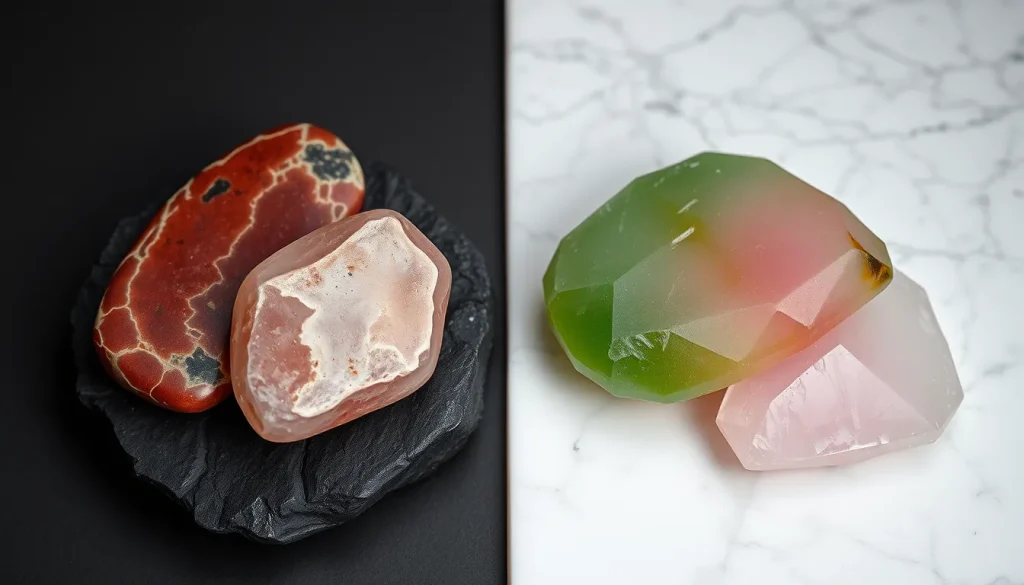
In the study of vibrational mineralogy and traditional holistic practices, the Root (Muladhara) and Heart (Anahata) chakras represent the foundational pillars of human existence: survival and love. While the Root chakra provides the necessary stability and security to exist in the physical realm, the Heart chakra facilitates the emotional capacity to connect with others. Balancing these two centers creates a bridge between the physical and emotional selves.
Documented Context
The association of specific mineral colors and chemical compositions with energy centers is rooted in ancient Vedic traditions and later integrated into Western metaphysical systems. From a gemological perspective, the focus is on the chromatic frequency of the stones. Red and black stones are traditionally linked to the Root chakra due to their association with the earth and iron-rich minerals, while green and pink stones are linked to the Heart chakra, mirroring the colors of nature and affection.
Place and Period
The concept of chakra-based stone therapy originated in ancient India (Bharat), where the use of precious and semi-precious stones in Ayurvedic medicine and spiritual rituals was documented. Over the last century, these practices have migrated globally, blending with modern crystal healing movements in Europe and North America, where the focus has shifted toward psychological grounding and emotional wellness.
Historical Uses
Historically, Root chakra stones were utilized as amulets for protection and physical strength. For example, Red Jasper and Hematite were often carried by warriors or laborers to maintain endurance and focus. Heart chakra stones, such as Jade and Rose Quartz, were frequently carved into talismans of love, fertility, and diplomacy in various ancient civilizations, including the Maya and the Chinese dynasties, to foster harmony within the community.
Later Interpretations
In the 19th and 20th centuries, the interpretation of these stones evolved from purely ritualistic use to a more therapeutic approach. The “grounding” aspect of Root stones became synonymous with managing anxiety and stress, while the “opening” aspect of Heart stones was linked to grief recovery and the cultivation of empathy. Modern practitioners often use these stones in combination to ensure that emotional openness (Heart) is supported by a strong sense of security (Root).
Modern Associations
Today, gemologists and holistic practitioners categorize these stones based on their visual and chemical properties. The following table outlines the primary stones associated with these centers:
| Chakra | Primary Colors | Key Gemstones | Core Association |
|---|---|---|---|
| Root | Red, Black, Brown | Red Jasper, Black Tourmaline, Hematite | Stability & Security |
| Heart | Green, Pink | Rose Quartz, Green Aventurine, Emerald | Love & Compassion |
Expert Tip: When working with both centers, it is recommended to start with Root stones first. Establishing a grounded foundation prevents the emotional intensity of Heart stones from becoming overwhelming.
Source Limitations
It is important to note that while the cultural and historical associations of these gemstones are well-documented, the “healing” properties of crystals are not recognized by mainstream clinical medicine. The effects are generally attributed to the placebo effect or the psychological benefits of mindfulness and intention-setting. Gemological identification remains the only scientifically verifiable aspect of these materials.
FAQ
Can I use both Root and Heart stones at the same time?
Yes. In fact, combining them is often recommended to balance the need for stability (Root) with the desire for emotional openness (Heart).
How do I cleanse my chakra stones?
Methods vary by mineral; however, common practices include rinsing with lukewarm water (if the stone is not water-soluble), placing them under moonlight, or using sage smoke.
Is a more expensive gemstone more effective for healing?
From a gemological and metaphysical standpoint, the quality of the crystal's structure and the user's intention are more important than the market price.
Leave a Reply