
Short Answer
Overview
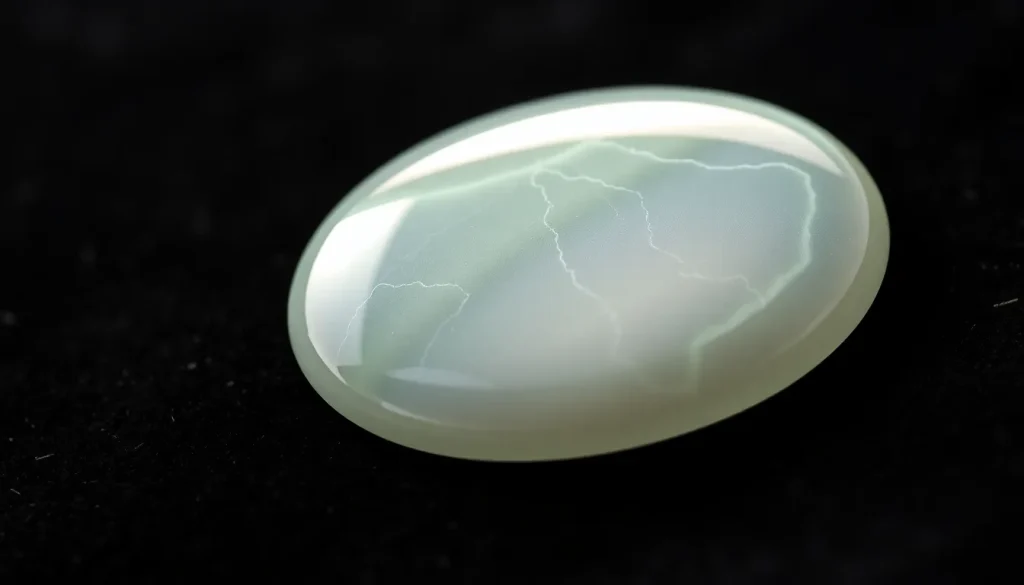
Chrysotile is a magnesium‑rich phyllosilicate belonging to the serpentine group. It is the most common form of asbestos and occurs as flexible, fibrous bundles. When cut and polished, the fibers can produce a smooth, silky stone that ranges from white to pale green, occasionally gray‑brown.
History and Origin
The name “chrysotile” derives from the Greek chrysos (gold) and tilos (fiber), reflecting the golden‑hued fibers observed in early specimens. Chrysotile deposits have been mined for centuries, initially for its heat‑resistant properties in fireproofing and later for ornamental uses. Notable historic localities include the Serpentine River region of Quebec, Canada, and the Ural Mountains of Russia.
Meaning and Symbolism
In traditional gemstone lore, chrysotile is associated with calm protection and grounding. Its muted green‑white tones are thought to evoke the earth’s stability, making it a symbol of resilience and inner strength. Some cultures view it as a “shield stone” that helps ward off negative influences.
Healing and Metaphysical Properties
Crystal‑healing practitioners claim chrysotile can:
- Promote emotional balance and reduce anxiety.
- Enhance personal grounding and connection to the physical world.
- Support the heart chakra, encouraging compassion and forgiveness.
These beliefs are traditional and not supported by medical science. Chrysotile should never be used as a substitute for professional health care.
Varieties and Types
Chrysotile occurs in several color varieties, largely dependent on trace impurities:
- White chrysotile – Pure white to ivory fibers, the most common commercial form.
- Pale green chrysotile – Light green tint caused by iron or nickel inclusions.
- Brown or gray‑brown chrysotile – Resulting from higher amounts of manganese or organic matter.
All varieties share the same basic chemical formula Mg3Si2O5(OH)4 and fibrous habit. Chrysotile is distinguished from other serpentine minerals such as antigorite and lizardite by its flexible, elongated fibers and monoclinic crystal system.
Jewelry Uses and Care
Because of its low hardness (2.5–3.5 on the Mohs scale) and health concerns related to airborne fibers, chrysotile is rarely used in mainstream fine jewelry. When it appears, it is usually in the form of polished cabochons set in protective settings that prevent scratching and limit handling of raw fibers.
Care recommendations:
- Clean gently with a soft, lint‑free cloth; avoid ultrasonic cleaners.
- Use mild soap and lukewarm water if necessary; do not soak for long periods.
- Store away from harder gemstones to prevent abrasion.
- Never polish or grind raw fibrous material; only work with fully sealed, polished pieces.
Buying Guide
When considering a chrysotile or serpentine piece, keep the following in mind:
- Authenticity – Verify that the stone is a polished cabochon rather than raw fibrous asbestos. Reputable dealers will provide documentation.
- Treatment disclosure – Some pieces are heat‑treated to improve color stability; ask for full disclosure.
- Safety – Ensure the item has been professionally stabilized and sealed to prevent fiber release.
- Certification – A gemological report from a recognized laboratory (e.g., GIA) can confirm identity and any treatments.
Because high‑quality, safely processed chrysotile is uncommon, price points are modest compared with harder gemstones. Always purchase from trusted sources that prioritize health and ethical handling.
FAQ
What is chrysotile good for?
Chrysotile is primarily valued for its heat‑resistant properties and, when polished, for its muted green‑white aesthetic in ornamental pieces. Traditional beliefs also attribute grounding and protective qualities, but these are not scientifically proven.
Is chrysotile rare?
Chrysotile is relatively common as an asbestos mineral, but high‑quality, safely processed polished specimens are less common. Rarity depends on color, clarity, and whether the stone has been professionally stabilized.
How can you tell if chrysotile is real?
Authentic chrysotile shows a fibrous, silky luster and a pale green to white color. Professional testing (e.g., spectroscopy or microscopy) can confirm its mineral composition and detect any treatments. Always request a gem‑lab report.
What chakra is chrysotile associated with?
In crystal‑healing traditions, chrysotile is linked to the Heart (Anahata) chakra, where it is believed to foster compassion and emotional balance.
How should you clean chrysotile?
Clean chrysotile gently with a soft, lint‑free cloth. Use mild soap and lukewarm water if needed, avoiding prolonged soaking. Do not use ultrasonic cleaners or harsh chemicals, and store away from harder gemstones to prevent scratches.
Leave a Reply