
Short Answer
Overview
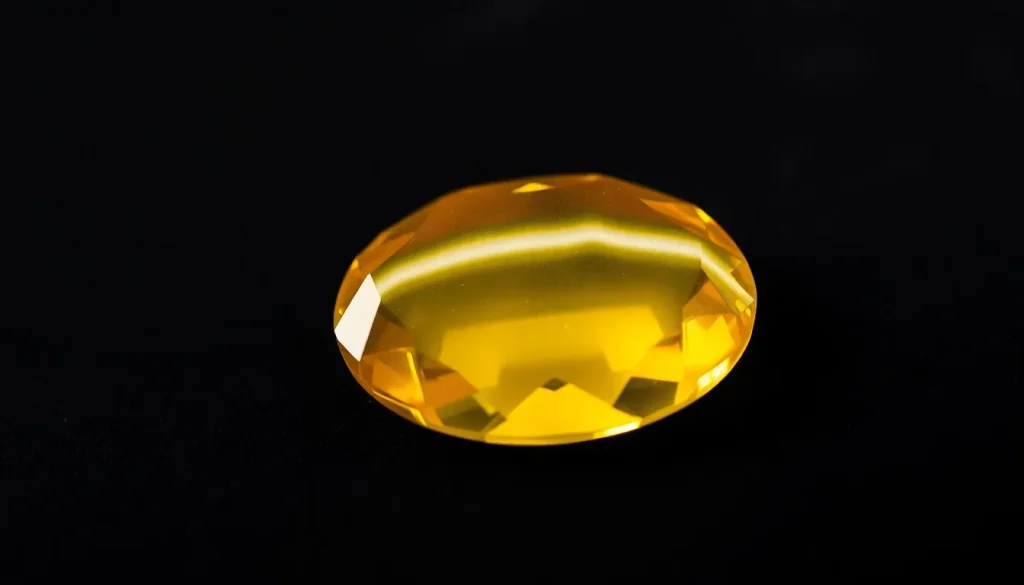
Chrysoberyl (BeAl2O4) is a beryllium‑aluminum oxide mineral belonging to the oxide family. It ranks 8.5 on the Mohs scale, making it one of the hardest gemstones used in jewelry. Natural specimens display a range of hues from yellow‑gold and brown to green, and the species includes notable varieties such as cat’s‑eye chrysoberyl and alexandrite, the latter famed for its dramatic color change.
History and Origin
The name chrysoberyl derives from the Greek words chrysos (gold) and beryllos (a precious stone), reflecting its typical golden coloration. Historically, the gemstone has been mined in Sri Lanka since antiquity, and its striking cat’s‑eye specimens were prized by ancient traders. In the 19th century, the color‑changing variety was first identified in the Ural Mountains of Russia and later named alexandrite after the future Tsar Alexander II.
Meaning and Symbolism
Traditional folklore attributes chrysoberyl with qualities of clarity, confidence, and personal power. The golden hue is often linked to wealth and success, while the cat’s‑eye effect symbolizes intuition and the ability to see beyond the obvious. Alexandrite’s color change has been interpreted as adaptability and the balance between opposing forces.
Healing and Metaphysical Properties
In crystal‑healing circles, chrysoberyl is believed to encourage mental focus, aid decision‑making, and protect the wearer from negative influences. The cat’s‑eye variety is thought to sharpen intuition and promote emotional balance. Alexandrite is associated with transformation, helping individuals navigate change with confidence. These claims are based on tradition and are not medical advice.
Varieties and Types
Several distinct varieties are recognized within the chrysoberyl species:
- Golden Chrysoberyl – The classic yellow‑gold to brownish stone, valued for its brilliance.
- Cat’s Eye Chrysoberyl (Cymophane) – Exhibits a sharp, moving band of light (chatoyancy) caused by parallel fibrous inclusions.
- Alexandrite – Shows a remarkable color change, typically from green in daylight to red‑purple under incandescent light.
- Green Chrysoberyl – Rare greenish specimens, often confused with emerald or green tourmaline.
Heat treatment is sometimes applied to enhance the golden hue of cat’s‑eye stones, while alexandrite is rarely treated because its color‑change property is highly prized in its natural state.
Jewelry Uses and Care
Because of its hardness (8.5), chrysoberyl is suitable for rings, earrings, pendants, and brooches. The stone’s resistance to scratching makes it ideal for daily‑wear pieces, though care is still required:
- Clean with warm, soapy water and a soft brush; avoid ultrasonic cleaners for untreated cat’s‑eye stones.
- Dry with a lint‑free cloth; do not expose to harsh chemicals or prolonged heat.
- Store separately from softer gems to prevent surface abrasion.
When set in metal, chrysoberyl is often paired with platinum, white gold, or 18K yellow gold to accentuate its warm color.
Buying Guide
When selecting chrysoberyl, consider the following factors:
- Color – Uniform, saturated golden‑yellow or brown is most desirable for standard chrysoberyl. For cat’s eye, a sharp, well‑defined eye is essential.
- Clarity – Inclusions are acceptable if they enhance chatoyancy; however, large crystals or cloudiness can diminish brilliance.
- Cut – Well‑proportioned cuts (oval, cushion, or emerald) maximize brilliance and the cat’s‑eye effect.
- Treatment Disclosure – Ask for a gem‑ological report confirming any heat treatment or synthetic origin.
- Origin – Sri Lankan and Tanzanian stones are historically renowned; however, quality can be found from Brazil, Madagascar, and the United States.
Engage a reputable jeweler or certified gemologist for verification, especially for high‑value alexandrite specimens.
FAQ
What is chrysoberyl good for?
Chrysoberyl is prized for jewelry due to its high hardness and brilliant golden color. Traditionally, it is also used in crystal‑healing practices to promote confidence, focus, and protection, though these uses are based on belief rather than scientific evidence.
Is chrysoberyl rare?
High‑quality chrysoberyl, especially fine cat's‑eye and vivid alexandrite specimens, are relatively rare. Common yellow stones are more abundant, while large, vivid alexandrite with strong color change is scarce and commands premium prices.
How can you tell if chrysoberyl is real?
Real chrysoberyl has a hardness of 8.5, a high refractive index (1.746–1.755), and an adamantine luster. A trained gemologist can use a refractometer, spectroscope, and microscopic examination to confirm authenticity and detect any treatments.
What chakra is chrysoberyl associated with?
In traditional chakra lore, chrysoberyl is linked to the Solar Plexus (Manipura) chakra, believed to support personal power and confidence.
How should you clean chrysoberyl?
Clean chrysoberyl with warm, mildly soapy water and a soft brush. Rinse thoroughly and pat dry with a lint‑free cloth. Avoid ultrasonic cleaners for untreated cat's‑eye stones and keep the gem away from harsh chemicals.

Leave a Reply