
Short Answer
Overview
Carnallite is a hydrated potassium‑magnesium chloride mineral with the chemical formula KCl·MgCl₂·6H₂O. It belongs to the halide class and crystallizes in the orthorhombic system. The mineral typically forms tabular to prismatic crystals that can be transparent to translucent, displaying a vitreous to sub‑adamantine luster. Its Mohs hardness ranges from 2.5 to 3, making it one of the softer minerals suitable for decorative purposes but unsuitable for everyday wear.
History and Origin
The name “carnallite” honors the German chemist Rudolf Carnall, who first described the mineral in the mid‑19th century after its discovery in the evaporite deposits of the Stassfurt region (present‑day Germany). Carnallite forms in sedimentary evaporite environments where seawater or lake water has evaporated, leaving behind concentrated brines that precipitate a suite of chloride minerals, including halite, sylvite, and carnallite itself.
Meaning and Symbolism
In traditional gemstone lore, carnallite is associated with clarity of thought and the release of emotional blockages. Its pale hues are thought to reflect purity and openness, while its soft nature is sometimes linked to adaptability and the willingness to change. Collectors often value carnallite for its rarity in cut form and its connection to the earth’s mineral cycles.
Healing and Metaphysical Properties
Crystal‑healing practitioners attribute the following properties to carnallite, based on longstanding belief rather than scientific evidence:
- Emotional balance: Said to soothe anxiety and promote a calm mindset.
- Physical support: Traditionally believed to aid the body’s electrolyte balance, reflecting its potassium and magnesium content.
- Spiritual grounding: Often linked to the Root Chakra, helping users feel more rooted and secure.
These claims are part of metaphysical traditions and should not replace professional medical advice.
Varieties and Types
Carnallite occurs in a range of colors depending on trace impurities and the conditions of formation. Common color varieties include:
- Colourless to white: The most typical appearance, often transparent.
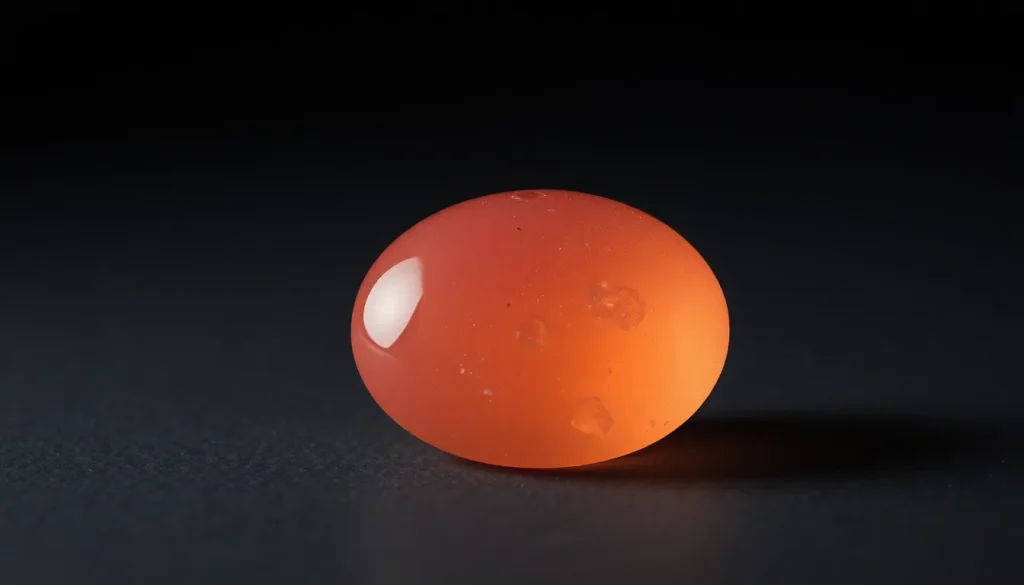
- Pink to orange: Resulting from iron or manganese impurities.
- Yellow to brown: Caused by organic matter or slight oxidation.
Well‑formed crystals may be cut into small cabochons or beads, though their softness limits the size of pieces that can be safely fashioned.
Jewelry Uses and Care
Because of its low hardness, carnallite is rarely used in mainstream jewelry. When employed, it is typically set in protective settings such as bezels, pendants, or earrings that reduce exposure to abrasion. Care recommendations include:
- Handle with gloves to avoid fingerprints and oils.
- Clean gently with a soft, damp cloth; avoid ultrasonic cleaners and harsh chemicals.
- Store in a padded, airtight container away from sunlight, which can fade delicate hues.
Regular inspection for chips or cracks is essential, as the mineral can fracture along its perfect {001} cleavage.
Buying Guide
When purchasing carnallite, consider the following factors:
- Color and clarity: Uniform, vibrant colors without cloudiness are most desirable.
- Cut and setting: Look for secure bezels or protective mountings that acknowledge the stone’s softness.
- Origin documentation: Reputable dealers will provide provenance, especially for specimens from known evaporite districts such as Saskatchewan (Canada) or Siberia (Russia).
- Treatment disclosure: Natural carnallite is rarely treated, but any enhancement (e.g., heat or dye) should be disclosed.
Because carnallite is primarily an industrial mineral, prices are generally modest, but high‑quality, well‑cut specimens can command premium prices due to their rarity in the gemstone market.
FAQ
What is Carnallite good for?
Carnallite is primarily valued as an industrial source of potassium and magnesium, but cut specimens are used decoratively in jewelry and as collector's pieces. In crystal‑healing circles, it is believed to promote emotional calm and physical electrolyte balance, though these uses are not scientifically verified.
Is Carnallite rare?
Carnallite is relatively common in evaporite deposits, yet high‑quality, well‑cut gemstones are uncommon because the mineral’s low hardness makes it difficult to cut and set. Rarity is therefore linked to specimen quality, color, and the presence of a protective setting.
How can you tell if Carnallite is real?
Real carnallite is soft (Mohs 2.5–3), has a vitreous luster, and exhibits perfect cleavage on {001}. It feels cool to the touch and leaves a white streak on unglazed porcelain. Because many minerals can appear similar, a professional gemologist should verify authenticity with refractive index measurements and, if needed, chemical analysis.
What chakra is Carnallite associated with?
In traditional crystal‑healing belief, carnallite is linked to the Root (Muladhara) Chakra, where it is thought to help ground energy and promote stability. This association is symbolic and not based on scientific evidence.
How should you clean Carnallite?
Clean carnallite gently with a soft, damp cloth and mild soap if needed. Avoid ultrasonic cleaners, steam, or harsh chemicals, as the mineral can be damaged by heat and abrasive action. Store it in a padded, airtight container away from sunlight to prevent fading or cracking.
Leave a Reply