
Short Answer
Overview
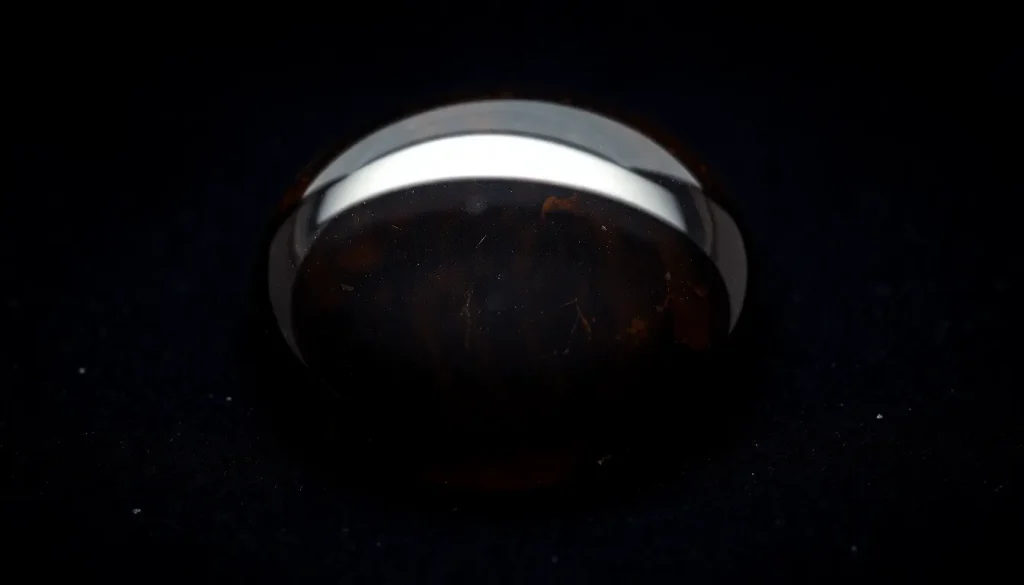
Brookite is one of the three natural polymorphs of titanium dioxide (TiO₂), the others being rutile and anatase. It crystallises in the orthorhombic system and forms distinctive, tabular to prismatic crystals that often display a lustrous, adamantine sheen. In its gem‑grade form, brookite is usually brown, black, gray, or yellowish, and may be transparent to translucent. Because of its relative rarity and moderate hardness, it is most often found in mineral collections, but fine specimens are occasionally cut for high‑end jewellery.
History and Origin
The mineral was first described in 1801 by the English mineralogist William Hyde Wollaston, who named it after the British chemist and mineral collector Henry James Brooke. Early specimens were sourced from the United Kingdom, but commercial occurrences were later identified in Brazil, Australia, Madagascar, India, the United States (California), and Norway. While rutile became the dominant industrial source of TiO₂, brookite remained a curiosity for collectors and gemologists.
Meaning and Symbolism
In traditional gemstone lore, brookite is associated with clarity of purpose and the ability to navigate complex situations. Its deep, earth‑tone colours are thought to ground the wearer, fostering determination and resilience. The stone is sometimes linked to the concept of “inner fire,” symbolising the transformation of raw potential into focused energy.
Healing and Metaphysical Properties
Crystal‑healing practitioners attribute brookite with the ability to stimulate the root chakra, encouraging stability and confidence. It is believed to aid in releasing emotional blockages, enhancing mental focus, and supporting the body’s natural detoxification processes. These claims are based on long‑standing metaphysical traditions and should not be taken as medical advice.
Varieties and Types
Natural brookite occurs in a range of colours, primarily:
- Brown to dark brown
- Black
- Gray
- Yellow to golden‑brown
Some specimens display iridescent sheen due to surface oxidation. Synthetic brookite can be produced via hydrothermal or chemical vapor deposition methods, primarily for industrial pigment applications, and is rarely used in jewellery because the natural form is preferred for its unique crystal habit.
Jewelry Uses and Care
Because brookite rates 5.5–6.5 on the Mohs scale, it is softer than most traditional gemstones such as sapphire or quartz. Consequently, it is best suited for earrings, pendants, and brooches where the stone is less exposed to abrasion. Cabochon cuts are most common, as they showcase the stone’s depth of colour and luster while protecting the crystal faces. When set in jewellery, protective bezels or protective settings are recommended.
Cleaning should be gentle: use a soft brush, mild soap, and lukewarm water. Avoid ultrasonic cleaners and steam cleaning, as rapid temperature changes can cause micro‑fractures in the crystal lattice. Store brookite separately from harder stones to prevent scratching.
Buying Guide
When evaluating brookite for purchase, consider the following factors:
- Colour and Clarity: Deep, even colour with minimal inclusions is most desirable.
- Cut and Symmetry: Well‑proportioned cabochons or faceted stones that respect the natural crystal habit retain value.
- Origin Documentation: Reputable dealers should provide provenance, especially for high‑quality specimens from noted localities such as Brazil or Madagascar.
- Treatment Disclosure: Natural brookite is rarely treated, but any heat or coating should be disclosed.
- Certification: While formal gem‑lab grading is uncommon for brookite, a statement of authenticity from a recognized gemological laboratory adds confidence.
Because brookite is uncommon in the jewellery market, prices vary widely. Expect higher costs for transparent, well‑coloured stones with minimal fracture.
FAQ
What is brookite good for?
Brookite is prized by collectors for its rare orthorhombic crystals and occasional use in high‑end jewellery; traditionally it is believed to promote grounding and mental focus.
Is brookite rare?
High‑quality, transparent brookite is rare because the mineral typically forms in coarse, brown‑black masses; notable localities include Brazil and Madagascar, but gem‑grade material is limited.
How can you tell if brookite is real?
Authentic brookite exhibits a high refractive index (≈2.6), adamantine luster, and orthorhombic crystal habit; a professional gemologist can confirm identity with spectroscopy or a refractometer.
What chakra is brookite associated with?
In crystal‑healing traditions brookite is linked to the Root chakra, supporting stability and grounding, though this is a belief rather than a scientific fact.
How should you clean brookite?
Clean brookite gently with lukewarm soapy water and a soft brush; avoid ultrasonic or steam cleaners, and store it separately from harder gemstones to prevent scratches.
Leave a Reply