
Short Answer
Overview
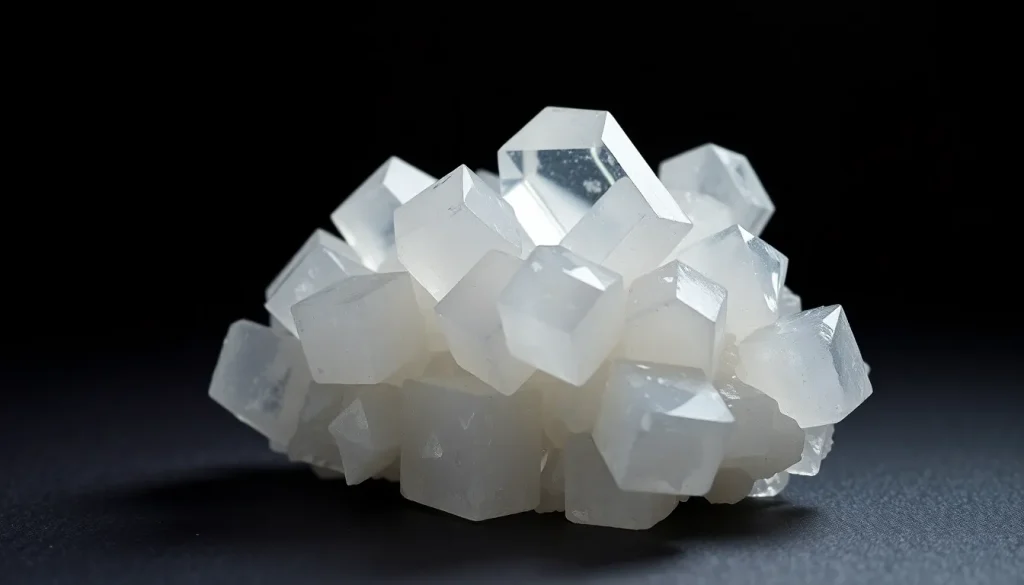
Langbeinite is a double sulfate mineral composed of potassium, magnesium, and sulfate ions (chemical formula K2Mg2(SO4)3). It crystallises in the isometric (cubic) system and typically forms well‑developed, transparent to translucent cubes or octahedra. The mineral is colourless to white, occasionally displaying very pale yellow or pink hues due to trace impurities. Its hardness on the Mohs scale ranges from 3.5 to 4, making it relatively soft compared with many traditional gemstones.
History and Origin
The name “langbeinite” honours German chemist Hermann Langbein, who first described the mineral in 1865 after its discovery in the Lengenbach quarry of the Binn Valley, Switzerland. Early specimens were studied for their unique isometric habit and were later recognised as a source of potassium and magnesium for agricultural fertilizers. Today, natural langbeinite is mined in several locations worldwide, including Canada (Ontario), the Ural region of Russia, New Mexico (USA), Spain, and Germany.
Meaning and Symbolism
In traditional crystal lore, langbeinite is associated with clarity of thought and emotional balance. Its cubic symmetry is said to represent stability and groundedness, while the transparent quality symbolizes openness and honesty. Collectors often view it as a stone that encourages clear communication and the orderly expression of ideas.
Healing and Metaphysical Properties
Crystal‑healing practitioners attribute the following properties to langbeinite, based on belief rather than scientific evidence:
- Emotional balance: Helps to release anxiety and promote calm.
- Intellectual clarity: Supports decision‑making and mental focus.
- Physical support: Believed to aid the muscular and skeletal systems, especially for those needing magnesium supplementation.
These claims are part of metaphysical traditions and should not replace professional medical advice.
Varieties and Types
While langbeinite itself is a single mineral species, variations occur primarily in colour and crystal size:
- Colourless/White: The most common and typically the most prized for its transparency.
- Pale Yellow: Caused by trace iron or other impurities.
- Pinkish Tints: Very rare, resulting from minute amounts of manganese.
Occasionally, synthetic langbeinite crystals are produced for industrial fertilizer use; these are generally not suitable for jewelry due to lower aesthetic quality.
Jewelry Uses and Care
Because of its modest hardness and perfect cubic cleavage, langbeinite is not a mainstream gemstone. However, skilled lapidaries sometimes cut it into cabochons or small faceted pieces for pendants, earrings, and collector’s pieces. When set in jewelry, the stone should be protected from scratches and impact.
Care recommendations:
- Cleaning: Gently wash with warm, soapy water and a soft brush. Rinse thoroughly and pat dry with a lint‑free cloth.
- Avoid harsh chemicals: Do not expose langbeinite to acids, bleach, or ultrasonic cleaners, as its sulfate composition can be sensitive to aggressive agents.
- Storage: Keep separate from harder gemstones (e.g., quartz, corundum) to prevent abrasion; store in a soft pouch or lined compartment.
Buying Guide
When purchasing langbeinite, consider the following factors:
- Clarity and Transparency: Clear, inclusion‑free crystals command higher value.
- Colour: Pure colourless or white stones are most sought after; any tint may affect price.
- Cut Quality: Well‑polished, symmetrical facets or cabochons showcase the stone’s natural brilliance.
- Origin Documentation: Reputable dealers provide provenance, especially for specimens from noted localities like Ontario or the Urals.
- Treatment Disclosure: Ensure the stone has not been artificially dyed or irradiated unless clearly disclosed.
Because langbeinite is not a standard gemstone on most retail platforms, buying from a certified mineral dealer or a reputable online specialist in collector’s minerals is advisable. Request a gemological report if you need assurance of authenticity.
FAQ
What is langbeinite good for?
Langbeinite is primarily valued by collectors for its clear cubic crystals and is occasionally used in ornamental jewelry. In crystal‑healing circles, it is believed to promote mental clarity and emotional balance, but these are traditional beliefs, not medical facts.
Is langbeinite rare?
Langbeinite is not extremely rare, but high‑quality, transparent specimens are uncommon. Large, well‑formed cubes from noted localities such as Ontario or the Urals are considered more valuable, while lower‑grade material is more readily available for industrial use.
How can you tell if langbeinite is real?
Real langbeinite is colourless to white, has a vitreous luster, and a hardness of about 3.5–4. It shows perfect cubic cleavage and a white streak. Professional gemologists can confirm authenticity with X‑ray diffraction or chemical analysis.
What chakra is langbeinite associated with?
Traditional crystal‑healing sources sometimes link langbeinite to the Root (Muladhara) chakra for grounding, though there is no universally accepted chakra association.
How should you clean langbeinite?
Clean langbeinite gently with warm, mild soapy water and a soft brush. Rinse well and dry with a lint‑free cloth. Avoid ultrasonic cleaners, harsh chemicals, and prolonged exposure to acids, as the sulfate composition can be sensitive.
Leave a Reply