
Short Answer
Overview
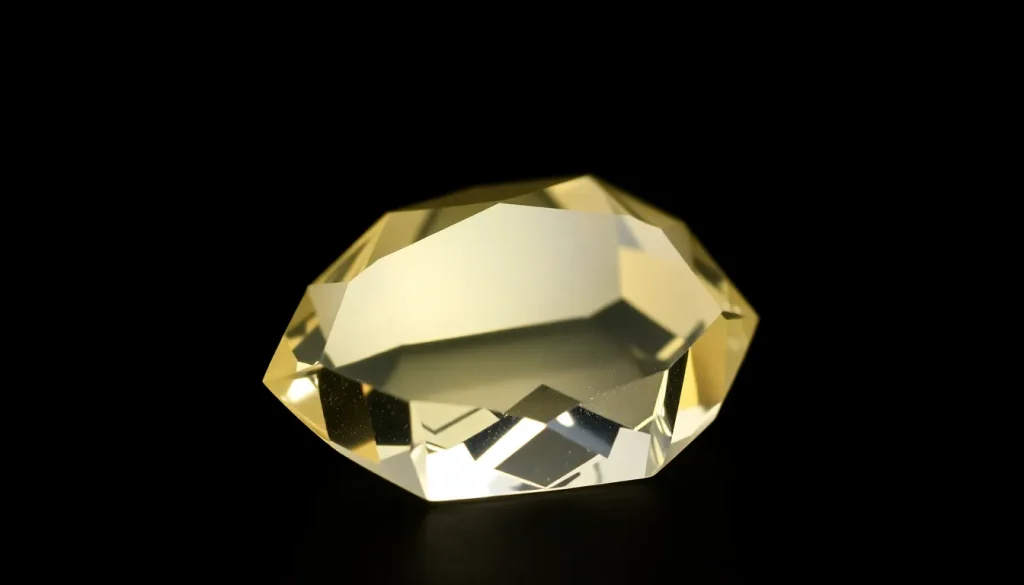
Beryllonite is a rare phosphate mineral with the chemical formula NaBe4(PO4)3. It crystallizes in the trigonal system and typically forms prismatic, tabular, or massive aggregates. In its gem‑cut form, beryllonite is valued for its high clarity and subtle colour range, ranging from colourless to very pale yellow or pink. Though not a mainstream commercial gemstone, faceted beryllonite specimens are prized by collectors and occasional jewelry designers.
History and Origin
The mineral was first described in 1910 from the type locality in the Beryllium Hills of California, USA. Subsequent occurrences have been reported in Brazil, Namibia, and the Ontario region of Canada. Because beryllonite contains beryllium, it is of interest to mineralogists studying beryllium‑bearing phases, but its rarity and the difficulty of extracting large, flawless crystals have limited its historical use in adornment.
Meaning and Symbolism
In traditional gemstone lore, beryllonite is associated with clarity of thought and heightened perception. Its subtle colour palette is said to encourage inner reflection and the ability to see situations with a clear, unbiased eye. Some crystal‑healing practitioners link beryllonite to the activation of the crown chakra, believing it can support spiritual insight and connection to higher consciousness.
Healing and Metaphysical Properties
According to crystal‑healing traditions, beryllonite is thought to promote mental clarity, aid in decision‑making, and enhance communication. It is sometimes used in meditation to foster a sense of calm and to align the mind with intuitive guidance. These beliefs are not scientifically validated and should not replace professional medical advice.
Varieties and Types
Beryllonite does not have widely recognized commercial varieties, but specimens may differ in colour and clarity:
- Colourless/White: Most common, highly transparent, suitable for faceting.
- Pale Yellow: Shows a faint buttery hue; prized for subtle warmth.
- Pale Pink: Rare; the pink tint is caused by trace impurities.
All varieties share the same chemical composition and crystallographic properties.
Jewelry Uses and Care
Because of its moderate hardness (5.5–6 on the Mohs scale) and perfect cleavage, beryllonite is best suited for pendants, earrings, and brooches where the stone is protected from impact. It should be set in protective bezels or beaded settings rather than exposed ring settings that endure frequent knocks.
Cleaning: Use a soft, lint‑free cloth and mild soap‑water solution. Avoid ultrasonic cleaners and harsh chemicals, as they can damage the surface or any applied treatments.
Storage: Keep beryllonite pieces separate from harder gemstones like quartz or topaz to prevent scratching. Store in a padded jewelry box or a fabric pouch.
Buying Guide
When purchasing beryllonite, consider the following factors:
- Clarity: Look for specimens with minimal inclusions; high‑clarity stones exhibit a glassy, vitreous luster.
- Colour: Colourless stones are most common; pale yellow or pink specimens may command higher prices due to rarity.
- Cut Quality: Well‑cut facets enhance brilliance; poorly cut stones may appear dull.
- Certification: Request a gemological report from a reputable laboratory (e.g., GIA, IGI) to verify authenticity and identify any treatments.
- Source Transparency: Reputable dealers will disclose the mining locality and any handling history.
Because beryllonite is scarce, prices can vary widely. Expect modest market values compared to more common gemstones, but be prepared for higher costs for exceptional colour or size.
FAQ
What is beryllonite good for?
Beryllonite is primarily valued by collectors for its rarity and clarity. Traditionally it is believed to aid mental clarity and spiritual insight, but these claims are not scientifically proven.
Is beryllonite rare?
Yes, beryllonite is considered rare. High‑quality, transparent specimens are uncommon, and large, color‑free crystals are especially scarce.
How can you tell if beryllonite is real?
Real beryllonite displays a vitreous luster, a refractive index around 1.511–1.520, and a white streak. Because its hardness is moderate, a simple scratch test can help, but professional gemological analysis (e.g., spectroscopy or X‑ray diffraction) is recommended for certainty.
What chakra is beryllonite associated with?
In crystal‑healing traditions beryllonite is often linked to the Crown Chakra, thought to support spiritual awareness and higher‑level thinking.
How should you clean beryllonite?
Clean beryllonite with warm, soapy water and a soft cloth. Avoid ultrasonic cleaners, harsh chemicals, and high‑impact polishing because the stone is moderately soft and can fracture along its conchoidal fracture surface.
Leave a Reply