Short Answer
Overview
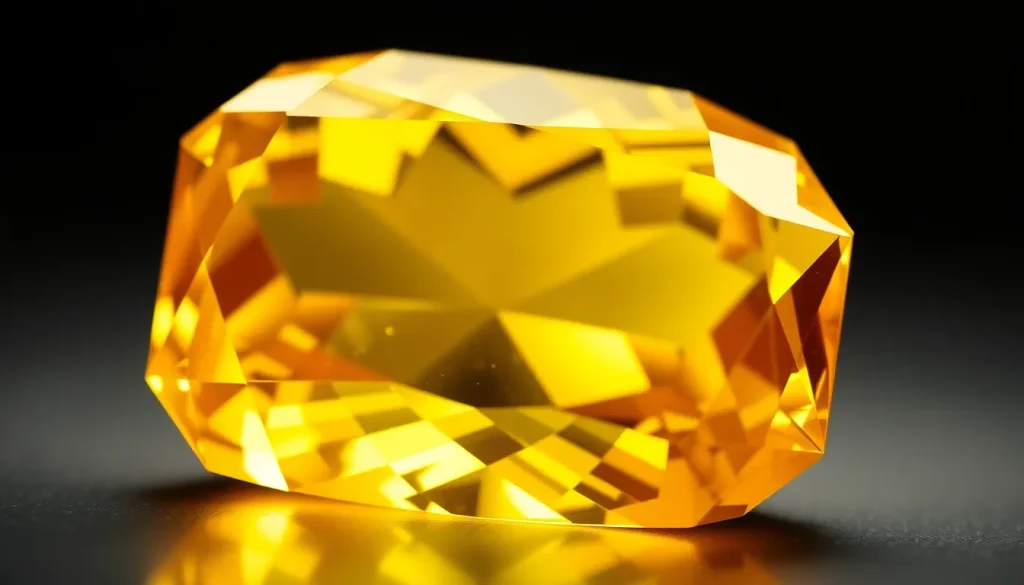
Golden beryl, commonly known as heliodor, is a member of the beryl family distinguished by its golden to yellow coloration. The hue is caused primarily by trace amounts of iron (Fe³⁺) within the crystal lattice. With a hardness of 7.5–8 on the Mohs scale and a vitreous luster, golden beryl is suitable for a variety of jewelry applications, ranging from rings to pendants.
History and Origin
The name “heliodor” derives from the Greek words helios (sun) and doron (gift), reflecting the stone’s sun‑like glow. Historically, golden beryl specimens were collected from Brazil in the 19th century, and later from deposits in Namibia, Madagascar, and the United States. While not as famous as emerald or aquamarine, heliodor has been prized by collectors for its rarity in vivid, saturated yellow shades.
Meaning and Symbolism
In traditional gemstone lore, golden beryl is associated with optimism, confidence, and personal power. It is said to inspire clarity of thought and help the wearer express ideas with confidence. The stone’s warm color is also linked to joy, prosperity, and the encouragement of new ventures.
Healing and Metaphysical Properties
Within crystal‑healing circles, heliodor is believed to stimulate the Solar Plexus and Heart chakras, promoting self‑esteem and emotional balance. Practitioners claim it can aid in releasing fear, enhancing mental focus, and attracting abundance. These attributes are considered spiritual or symbolic and are not medical advice.
Varieties and Types
Golden beryl occurs in several related varieties:
- Heliodor – the most common name for vivid golden‑yellow beryl.
- Golden Goshenite – a lighter, often more translucent form.
- Golden Emerald – an historic term occasionally used for deep‑yellow beryl with a strong greenish tint.
All share the same basic chemical composition but differ in trace element content and the intensity of color.
Jewelry Uses and Care
Because of its durability, golden beryl is frequently set in rings, earrings, and bracelets. It can be faceted in a variety of cuts, including emerald, cushion, and round brilliant, to maximize brilliance. When caring for golden beryl jewelry:
- Clean with warm, soapy water and a soft brush; avoid harsh chemicals.
- Dry thoroughly with a lint‑free cloth.
- Store separately from harder gemstones (e.g., diamond) to prevent scratching.
- Inspect regularly for loose settings, especially in pieces worn daily.
Buying Guide
When purchasing golden beryl, consider the following factors:
- Color saturation – Deep, even golden hues are most valued.
- Clarity – Inclusions are common; however, eye‑clean stones command higher prices.
- Cut – Well‑proportioned cuts enhance sparkle and hide minor inclusions.
- Treatment disclosure – Some specimens are heat‑treated to improve color; reputable dealers will disclose any treatments.
- Certification – A gemological report from GIA, IGI, or a recognized laboratory provides assurance of authenticity.
Because golden beryl is less abundant than other beryl varieties, high‑quality, richly colored stones can be relatively scarce and may command premium prices.
FAQ
What is golden beryl good for?
Golden beryl is prized for its warm color and durability, making it ideal for jewelry such as rings and pendants. Traditionally, it is believed to promote optimism and confidence, while crystal‑healing circles associate it with the Heart chakra for emotional balance.
Is golden beryl rare?
High‑quality golden beryl with vivid, even color is relatively scarce compared with more common beryl varieties. Rarity depends on color saturation, clarity, and whether the stone is untreated. Large, eye‑clean specimens are especially uncommon.
How can you tell if golden beryl is real?
Real golden beryl exhibits a hardness of 7.5–8, a vitreous luster, and a specific refractive index (1.577–1.585). A professional gemologist can confirm authenticity using a refractometer, spectroscope, and possibly a certification from a recognized laboratory.
What chakra is golden beryl associated with?
In crystal‑healing traditions, golden beryl is linked to the Heart (Anahata) chakra, where it is thought to foster love, compassion, and emotional clarity.
How should you clean golden beryl?
Clean golden beryl with warm, mild soapy water and a soft brush. Rinse thoroughly and pat dry with a lint‑free cloth. Avoid ultrasonic cleaners if the stone is heat‑treated, and store separately from harder gems to prevent scratching.
Leave a Reply