
Short Answer
Overview
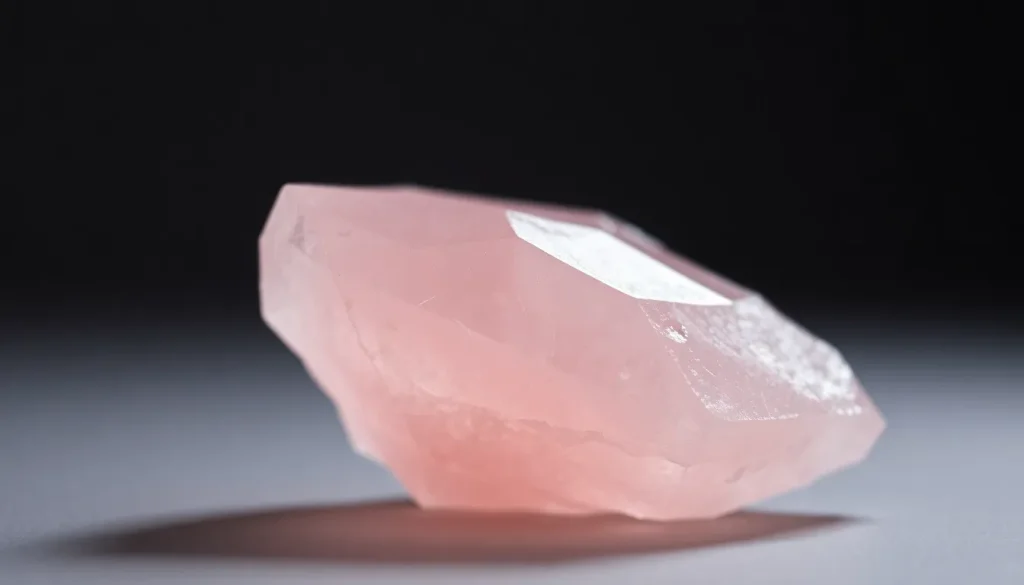
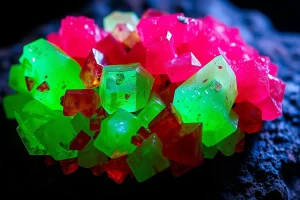
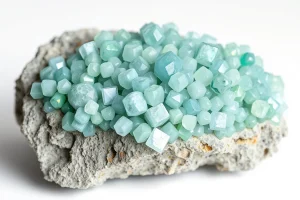
Londonite is a rare silicate mineral that typically forms pale pink to rose‑colored crystals. It is prized by mineral collectors for its delicate hue and crystal habit, and it is occasionally set in high‑end jewelry when sufficiently clear and well‑cut. Because of its limited availability and moderate hardness, Londonite is not a mainstream gemstone, but its unique color and subtle luster give it a niche appeal.
History and Origin
The name “Londonite” originates from the locality where the mineral was first identified in the early 20th century near London, England. Subsequent occurrences have been reported from a few scattered sites worldwide, including parts of Australia and the southwestern United States. The mineral has remained of interest mainly to scientific collectors rather than commercial gem markets.
Meaning and Symbolism
In traditional gemstone lore, pink stones are associated with love, compassion, and emotional balance. Londonite’s soft rose tone is said to encourage gentle affection and support the expression of heartfelt feelings. While these meanings are rooted in cultural symbolism rather than scientific evidence, they contribute to the stone’s appeal for personal adornment and gifting.
Healing and Metaphysical Properties
Crystal‑healing practitioners attribute the following properties to Londonite, describing them as traditional beliefs:
- Emotional support: Promotes calmness, helps release suppressed emotions, and fosters self‑acceptance.
- Heart chakra alignment: Thought to resonate with the heart center, encouraging love and forgiveness.
- Energy cleansing: Believed to absorb negative energies and transmute them into positive vibrations.
These claims are not medical advice and should not replace professional health care.
Varieties and Types
Londonite does not have widely recognized varieties, but specimens can differ in color intensity and clarity. The most common visual categories are:
- Pale Pink: Light, almost translucent hue, often used for delicate pendants.
- Rose: Deeper pink with slight pink‑brown undertones, preferred for statement pieces.
- Colorless: Rare, nearly transparent crystals that showcase the stone’s natural luster.
All variations share the same basic silicate composition.
Jewelry Uses and Care
Because Londonite rates around 5.5–6 on the Mohs scale, it is best suited for earrings, pendants, and occasional rings where impact is minimal. The stone should be set in protective settings—such as bezel or prong designs that shield vulnerable edges.
Care recommendations:
- Clean with a soft, lint‑free cloth and mild soapy water; avoid ultrasonic cleaners.
- Do not expose to harsh chemicals, extreme heat, or prolonged sunlight, which can alter color.
- Store separately from harder gemstones to prevent scratching.
Buying Guide
When purchasing Londonite, consider the following factors:
- Color consistency: Look for even pink tones without brown or gray inclusions.
- Clarity: Inclusions are common; a clean eye‑clean stone is more valuable.
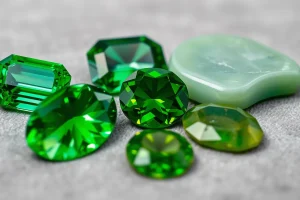
- Cut and setting: Well‑cut stones maximize brilliance and reduce the risk of chipping.
- Certification: Request a gemological report from a reputable laboratory to confirm authenticity.
Because Londonite is rare, prices vary widely based on color, size, and quality. Buying from a trusted dealer who offers a return policy and provenance documentation is advisable.
FAQ
What is Londonite good for?
Londonite is valued by collectors for its delicate pink hue and can be set in fine jewelry when cut and protected properly. Traditional beliefs also associate it with emotional balance and heart‑centered energy.
Is Londonite rare?
Yes, Londonite is considered rare. Quality specimens with good color, clarity, and size are limited, and most occurrences are small or found in remote localities.
How can you tell if Londonite is real?
Authentic Londonite displays a consistent pink to rose color, vitreous luster, and a Mohs hardness of about 5.5–6. A professional gemological test, such as refractive index measurement or spectroscopy, is recommended for certainty.
What chakra is Londonite associated with?
In crystal‑healing traditions, Londonite is linked to the heart chakra, supporting love and emotional openness.
How should you clean Londonite?
Clean Londonite gently with warm soapy water and a soft cloth. Avoid ultrasonic cleaners, harsh chemicals, and prolonged exposure to direct sunlight to preserve its color and integrity.
Leave a Reply