
Short Answer
Direct Answer
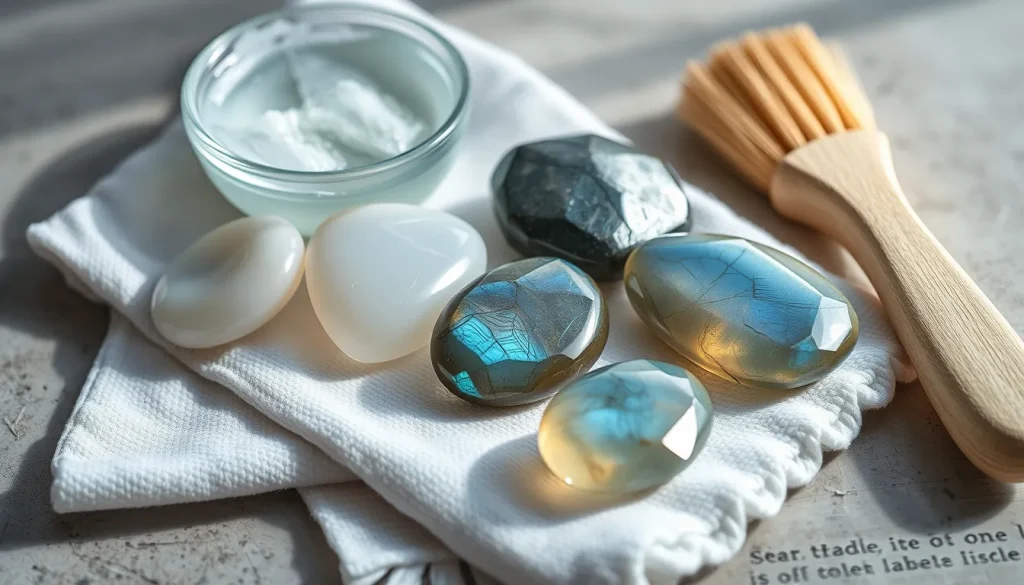
Caring for feldspar gemstones—including popular varieties such as Moonstone, Labradorite, Amazonite, and Sunstone—requires a cautious approach due to their moderate hardness and distinct cleavage planes. The most effective way to maintain these stones is through gentle cleaning with lukewarm, soapy water and storage in soft, individual compartments to prevent surface scratching and structural splitting. Because feldspars are prone to cleavage (splitting along specific crystallographic planes), avoiding ultrasonic cleaners and harsh chemicals is paramount.
Relevant Conditions
Several factors influence how a feldspar gemstone should be handled. Understanding these conditions helps in choosing the right care method:
- Hardness: Most feldspars rank between 6 and 6.5 on the Mohs scale. While durable enough for jewelry, they are softer than sapphires or diamonds and can be scratched by harder minerals.
- Cleavage: Feldspars possess two directions of cleavage at nearly 90 degrees. A sharp impact can cause the stone to split or chip along these lines.
- Porosity and Treatments: Some varieties, particularly those that have been heat-treated or are naturally porous, may react poorly to chemical solvents.
- Optical Effects: The adularescence of Moonstone or the labradorescence of Labradorite is a result of internal layering. Excessive abrasion can dull the surface polish, reducing the intensity of these visual effects.
Recommended Steps
To ensure the longevity of your feldspar jewelry, follow these professional cleaning and storage protocols:
Step 1: Routine Cleaning
- Prepare a Solution: Mix a few drops of mild, pH-neutral dish soap with lukewarm distilled water. Avoid hot water, which can cause thermal shock in some treated stones.
- Gentle Agitation: Use a soft-bristled baby toothbrush or a lint-free microfiber cloth to gently wipe the surface of the gemstone.
- Rinse Thoroughly: Rinse the stone under a gentle stream of lukewarm water to remove all soap residue.
- Dry Carefully: Pat the gemstone dry with a soft cloth. Do not rub vigorously, as this may trap grit against the surface and cause micro-scratches.
Step 2: Proper Storage
Storage is where most damage occurs. Implement the following system:
- Individual Pouches: Store each piece of feldspar jewelry in its own soft cloth pouch or a lined jewelry box with separate compartments.
- Avoid Contact: Ensure feldspars are not stored touching harder gemstones (like diamonds or topaz), which will easily scratch the softer feldspar surface.
- Climate Control: Store in a cool, dry place away from direct sunlight for extended periods to prevent potential color fading in certain varieties.
Expert Tip: Always remove your feldspar jewelry before engaging in activities such as gardening, cleaning with household chemicals, or exercising, as these increase the risk of accidental impact and chemical erosion.
Exceptions
While the soap-and-water method is the gold standard, there are critical exceptions to keep in mind:
| Condition | Avoid This | Reason |
|---|---|---|
| Fractured Stones | Immersion in water | Water can enter deep fissures and cause internal pressure or trap minerals. |
| Highly Treated Stones | Ultrasonic Cleaners | High-frequency vibrations can shatter stones with internal tension or loosen glues. |
| Organic Inclusions | Steam Cleaners | Extreme heat can damage internal inclusions or cause the stone to crack. |
When to Ask a Professional
Certain situations exceed the scope of home care and require a certified gemologist or professional jeweler:
- Deep Cleaning: If the stone has accumulated heavy oils or grime in intricate settings that a toothbrush cannot reach.
- Surface Scratches: If the gemstone has lost its luster or developed visible scratches, a professional can perform a re-polishing process.
- Structural Damage: If you notice a crack or a chip along a cleavage plane, a professional should evaluate the stone’s stability before it is worn again.
- Identification: If you are unsure if your stone is a natural feldspar or a synthetic imitation, professional testing is required.
FAQ
Can I use an ultrasonic cleaner on my Moonstone?
No. It is highly recommended to avoid ultrasonic cleaners for all feldspars, especially Moonstone, as the vibrations can trigger cleavage fractures or damage internal structures.
Is it safe to wear feldspar jewelry every day?
Yes, but with caution. Because they are moderately soft, they are best suited for earrings or pendants. For rings, they are more prone to wear and tear.
How do I remove a dull film from my Labradorite?
A gentle cleaning with lukewarm soapy water and a microfiber cloth usually restores the shine. If the dullness is due to surface scratches, professional re-polishing is necessary.

Leave a Reply