
Short Answer
Overview
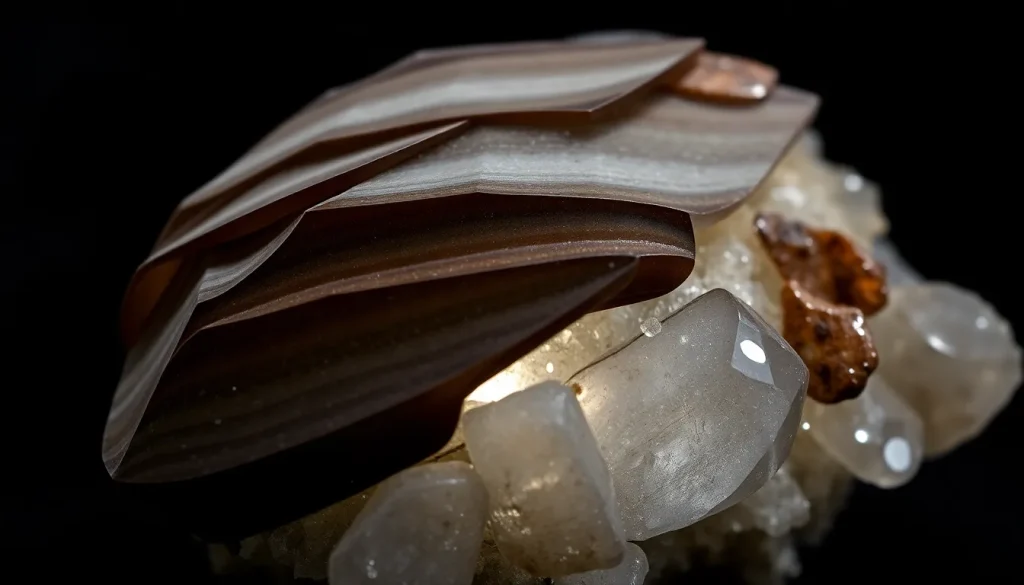
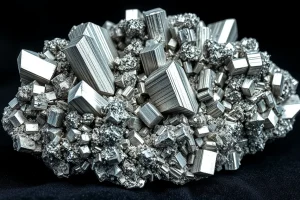
Zinnwaldite is a member of the mica group, chemically a potassium‑iron‑magnesium aluminum silicate. It typically forms in brown to black or greyish platy sheets that display a soft, pearly to vitreous luster. The mineral is named after the Zinnwald mining district on the Czech‑German border, where it was first described in the early 19th century.
History and Origin
The first documented occurrence of zinnwaldite came from the ore‑bearing veins of the Zinnwald area in the Ore Mountains (Erzgebirge). Throughout the 1800s it was studied as a distinct mica species because of its higher potassium content compared with biotite. Similar deposits have since been identified in other granitic and metamorphic terrains, including the Harz Mountains, the Finnish Lapland, the Canadian Shield, and parts of the United States such as California.
Meaning and Symbolism
In traditional gemstone symbolism, zinnwaldite is associated with grounding and inner stability. Its dark, earthy tones are said to reflect a connection to the earth and to encourage perseverance during challenging times. Collectors often value it for its subtle beauty and its representation of resilience.
Healing and Metaphysical Properties
Crystal‑healing practitioners attribute the following properties to zinnwaldite, describing them as traditional beliefs rather than medical facts:
- Grounding: Helps anchor scattered energy and promotes a sense of safety.
- Emotional Balance: Said to soothe anxiety and support emotional endurance.
- Physical Support: Believed by some to aid the skeletal system and relieve tension in the lower back.
These claims are part of folk practices and should not replace professional medical advice.
Varieties and Types
Zinnwaldite belongs to the biotite series of micas and is sometimes referred to as “brown mica” or “potassium mica.” Variations in iron and magnesium content produce subtle shifts in color from dark brown to almost black, and occasional greenish hues may appear in specimens from specific localities.
Jewelry Uses and Care
Because of its relatively low hardness (2.5‑3 on the Mohs scale) and perfect basal cleavage, zinnwaldite is used sparingly in jewelry. It is most commonly found as:
- Inlay material for decorative metalwork.
- Beads or cabochons set in protective metal backings.
- Components of artistic mosaics and lapidary panels.
When cleaning, avoid ultrasonic cleaners or harsh chemicals. Gently wipe the surface with a soft, damp cloth and a mild soap solution, then dry with a lint‑free rag. Store the stone flat in a padded compartment to protect its delicate sheets from impact.
Buying Guide
When selecting a zinnwaldite specimen, consider the following factors:
- Color and Uniformity: Look for consistent brown‑black coloration without excessive mottling.
- Cleavage Quality: High‑grade pieces exhibit smooth, even basal surfaces that reflect light with a pearly sheen.
- Origin Documentation: Reputable dealers will provide locality information, which can affect both value and authenticity.
- Treatment Disclosure: Zinnwaldite is rarely treated, but any dye or coating should be disclosed by the seller.
Because the stone is soft, it is best suited for ornamental pieces rather than everyday wear. Purchasing from a certified gem‑lab or a dealer with a return policy ensures confidence in the stone’s provenance.
FAQ
What is Zinnwaldite good for?
Zinnwaldite is valued for ornamental uses such as inlays, beads, and decorative mosaics due to its attractive pearly luster. Traditionally, it is believed to provide grounding and emotional stability in crystal‑healing practices.
Is Zinnwaldite rare?
Zinnwaldite is not considered a rare mineral overall, but high‑quality, uniformly colored sheets suitable for jewelry are less common and can be limited to specific localities.
How can you tell if Zinnwaldite is real?
Real zinnwaldite displays perfect basal cleavage, a soft, flexible feel, and a characteristic brown‑black to grey coloration with a pearly sheen. Professional gemologists can confirm identity using microscopy, specific gravity, and refractive index measurements.
What chakra is Zinnwaldite associated with?
In traditional crystal‑healing belief, zinnwaldite is most often linked to the Crown Chakra, supporting higher awareness and spiritual grounding.
How should you clean Zinnwaldite?
Clean zinnwaldite gently with a soft damp cloth and mild soap, avoiding ultrasonic cleaners, harsh chemicals, or high‑impact polishing. Store it flat in a padded compartment to protect its delicate sheets.
Leave a Reply