
Short Answer
Overview
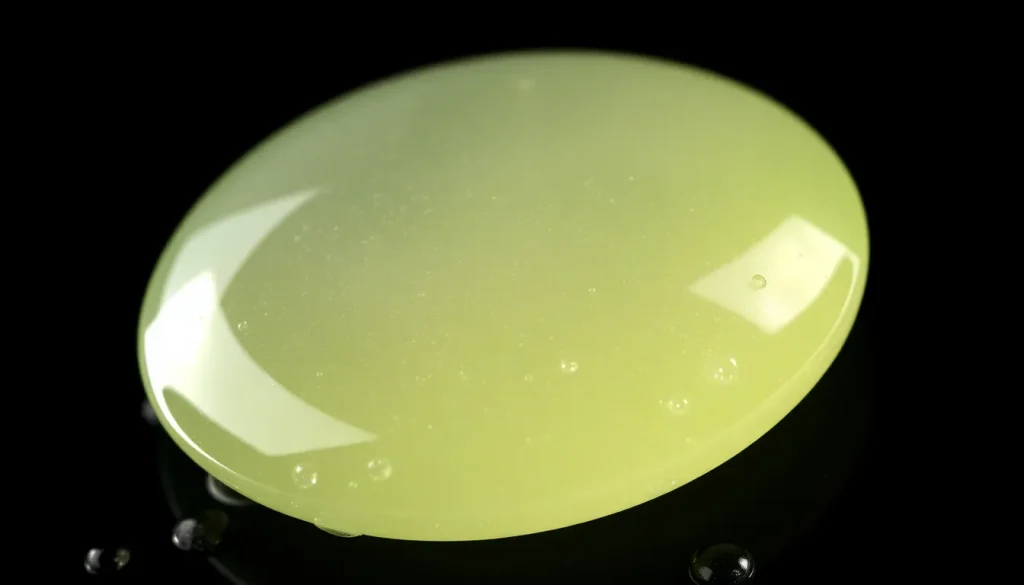
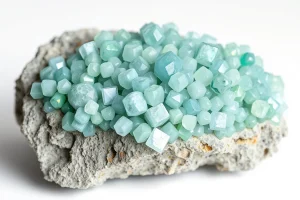
Väyrynenite is a rare hydrated phosphate mineral composed primarily of manganese, magnesium, and phosphate groups. It typically forms as translucent to transparent, pale‑green to yellowish crystals that display a vitreous to pearly luster. The mineral is named after Finnish geologist Väinö Väyrynen, who contributed to the study of phosphate minerals in the early 20th century.
Because of its modest hardness (3.5–4 on the Mohs scale) and perfect cleavage, Väyrynenite is more often collected by mineral enthusiasts than used in mainstream jewelry. However, its subtle coloration and rarity have attracted niche designers seeking distinctive, natural pieces.
History and Origin
The type locality for Väyrynenite is the Kola Peninsula in north‑western Russia, where it was first described in 1954. Subsequent occurrences have been documented in a handful of pegmatitic and granitic environments worldwide, including localities in Finland, Brazil, and the United States (North Carolina). The mineral forms in low‑temperature hydrothermal veins where manganese‑rich fluids interact with phosphate‑bearing host rocks, allowing the characteristic hydrated crystal structure to develop.
Although the stone is not widely known outside specialist circles, it has appeared in several museum collections, illustrating the diversity of phosphate minerals and the geological processes that create them.
Meaning and Symbolism
In traditional crystal‑healing lore, Väyrynenite is associated with growth, renewal, and emotional balance. Its gentle green tones are said to echo the energy of new leaves, encouraging personal development and the release of old patterns. Practitioners often recommend the stone for those seeking to cultivate inner harmony and a deeper connection to nature.
Because the mineral is relatively obscure, it does not have a widely recognized cultural symbolism. Nonetheless, its rarity and subtle beauty have led some collectors to view it as a symbol of hidden potential and understated elegance.
Healing and Metaphysical Properties
According to crystal‑healing traditions, Väyrynenite is believed to support the heart chakra, fostering compassion, forgiveness, and emotional openness. Users claim it can help release stagnant emotional energy and promote a sense of calm during stressful periods. The stone is also associated with the throat chakra in some schools of thought, where it is thought to aid clear communication of heartfelt feelings.
It is important to note that these claims are based on anecdotal belief systems and are not supported by scientific evidence. Väyrynenite should never be used as a substitute for professional medical advice or treatment.
Varieties and Types
- Typical Väyrynenite: Pale green to yellowish, often displaying a faint honey‑colored tint. Crystals are usually tabular or prismatic with well‑developed {010} faces.
- Colourless Specimens: Rare, nearly transparent crystals that lack the usual green‑yellow hue, valued for their clarity.
- Altered Forms: In some localities, partial oxidation can produce a brownish surface coating, giving the stone a weathered appearance.
All varieties share the same basic chemical composition and crystal system; differences are primarily due to trace element variations and local geological conditions.
Jewelry Uses and Care
Because of its relatively low hardness and perfect cleavage, Väyrynenite is best suited for pendants, earrings, and brooch settings where the stone can be protected from impact. Cabochon cuts are common, as they showcase the stone’s translucency while minimizing the risk of chipping.
Care Recommendations:
- Cleaning: Use a soft, lint‑free cloth and mild soap‑water solution. Avoid ultrasonic cleaners and steam, which can cause micro‑fractures.
- Storage: Keep pieces separate from harder gemstones (e.g., quartz, topaz) to prevent scratching.
- Exposure: Limit prolonged exposure to direct sunlight and high heat, as the water of hydration may be driven off over time, potentially altering the stone’s appearance.
Professional lapidary assessment is recommended before setting, especially for larger pieces, to ensure the stone’s integrity.
Buying Guide
When purchasing Väyrynenite, consider the following factors:
- Color Quality: A uniform, soft green or yellow‑green hue without excessive brown staining is generally preferred.
- Clarity: Since the stone is often translucent, minimal inclusions are desirable, but tiny internal fractures are common and not necessarily detrimental.
- Cut and Setting: Look for well‑rounded cabochons or protected bezel settings that reduce mechanical stress.
- Origin Documentation: Reputable dealers should provide provenance, especially if the specimen originates from a known type locality.
- Treatment Disclosure: Väyrynenite is rarely treated, but any artificial enhancement (e.g., dye) must be disclosed.
Because the mineral is uncommon, prices vary widely based on size, color intensity, and clarity. Consulting a certified gemologist for an independent appraisal can help ensure you receive a fair valuation.
FAQ
What is Väyrynenite good for?
Väyrynenite is prized by collectors for its rare, delicate green hues and unique crystal habit. In crystal‑healing circles, it is believed to support emotional balance and heart‑chakra work, though these uses are not scientifically validated.
Is Väyrynenite rare?
Yes, Väyrynenite is considered a rare mineral. High‑quality, well‑colored specimens are especially scarce, and most occurrences are limited to a few localities worldwide.
How can you tell if Väyrynenite is real?
Authentic Väyrynenite displays a pale green to yellow‑green color, perfect cleavage on {010}, and a specific gravity around 2.6–2.7. Because it can be confused with other green phosphates, a professional gemological test (e.g., X‑ray diffraction or chemical analysis) is recommended for certainty.
What chakra is Väyrynenite associated with?
Traditional crystal‑healing sources associate Väyrynenite primarily with the Heart (Anahata) chakra, though some practitioners also link it to the Throat chakra for communication of emotions.
How should you clean Väyrynenite?
Clean Väyrynenite gently with a soft cloth and lukewarm soapy water. Avoid ultrasonic cleaners, steam, or harsh chemicals, and store the stone separately from harder gemstones to prevent scratches.
Leave a Reply