
Short Answer
Overview
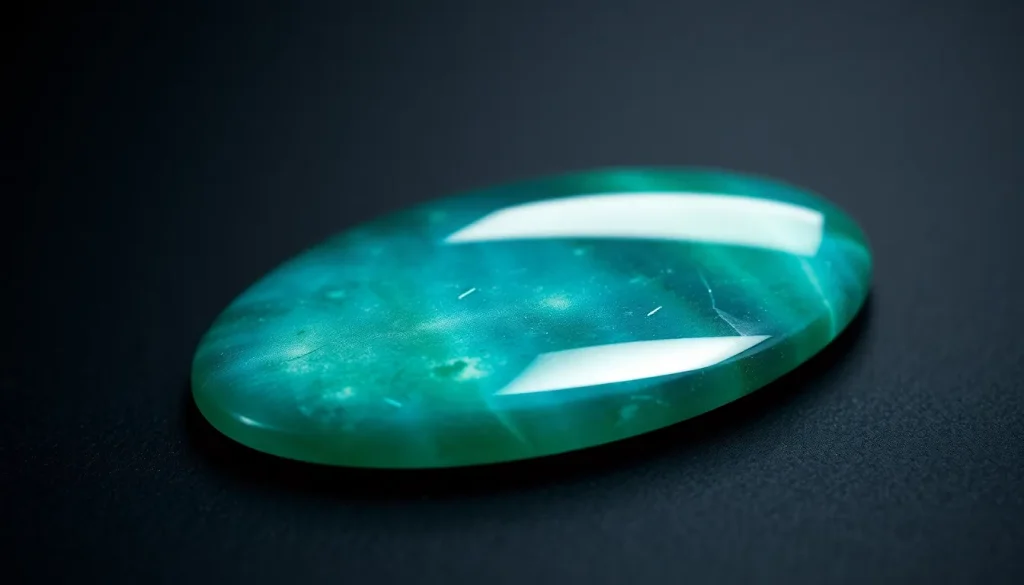
Variscite is a relatively rare phosphate mineral, chemically defined as hydrated aluminum phosphate (AlPO4·2H2O). It is most celebrated for its gentle green to blue‑green coloration, smooth texture, and subtle translucency. Though not as hard as many traditional gemstones, its soothing hue and historical use in ornaments make it a cherished material for collectors and designers.
History and Origin
The name “variscite” derives from the Variscia (now Vârciorova) region of Romania, where the mineral was first described in the early 19th century. Indigenous peoples of North America, particularly in the Southwest United States, fashioned variscite into beads and pendants long before European contact. Modern mining began in the United States (Arizona) in the 20th century, with additional significant deposits identified in China (Guangxi), Brazil, Morocco, Canada (Ontario), and Namibia.
Meaning and Symbolism
In traditional gemstone lore, variscite is associated with renewal, calm, and emotional balance. Its green color is linked to growth and the natural world, symbolizing a gentle encouragement toward personal healing and inner peace. The stone is often presented as a token of goodwill, friendship, and a reminder to stay grounded while embracing change.
Healing and Metaphysical Properties
Crystal‑healing practitioners attribute variscite with soothing energetic qualities. It is believed to calm nervous tension, promote emotional stability, and assist in releasing old patterns that hinder personal development. Some claim it supports the heart chakra, encouraging compassion and forgiveness. These properties are described as traditional beliefs and are not intended as medical advice.
Varieties and Types
- Pure Green Variscite – Classic apple‑green to emerald tones, most sought after for jewelry.
- Blue‑Green Variscite – Displays a subtle turquoise tint, often found in specimens from China.
- Yellow‑Stained Variscite – Rare occurrences where iron oxides impart a pale yellow hue.
All varieties share the same basic chemical composition; color differences arise from trace impurities and exposure conditions.
Jewelry Uses and Care
Variscite is commonly cut into cabochons, beads, and small faceted stones for earrings, pendants, and bracelets. Because its hardness falls between 4.5 and 5 on the Mohs scale, it should be set in protective settings (e.g., bezel or channel) and worn with care to avoid scratches.
Care Guidelines:
- Avoid harsh chemicals, ultrasonic cleaners, and steam.
- Clean gently with lukewarm water, mild soap, and a soft brush.
- Store separately from harder gemstones to prevent abrasion.
- Check settings regularly, as the stone’s relative softness can cause it to loosen over time.
Buying Guide
When selecting variscite, consider the following factors:
- Color Saturation: Deep, even green is generally more valuable than pale or mottled tones.
- Clarity: Transparent to translucent stones with minimal inclusions command higher prices.
- Cut and Finish: Well‑polished cabochons that showcase the stone’s natural luster are preferred.
- Origin: Specimens from reputable localities such as Arizona or Guangxi are often more sought after.
- Treatment Disclosure: Ensure any dyeing, stabilization, or heat treatment is fully disclosed by the seller.
Because variscite can be confused with similar green stones like turquoise or chrysocolla, it is advisable to obtain a certificate of authenticity from a qualified gemological laboratory when purchasing high‑value pieces.
FAQ
What is variscite good for?
Variscite is prized for its gentle green color in jewelry and ornamental pieces, and traditionally believed to promote calm, emotional balance, and renewal.
Is variscite rare?
High‑quality variscite in vivid, even green is relatively rare, especially when untreated. Common specimens are more abundant in known localities such as Arizona and Guangxi.
How can you tell if variscite is real?
Real variscite feels cool, has a vitreous to pearly luster, and shows a white streak. Professional testing, such as refractive index measurement or spectroscopic analysis, confirms authenticity.
What chakra is variscite associated with?
In crystal‑healing traditions, variscite is linked to the Heart (Anahata) chakra, thought to support love and emotional healing.
How should you clean variscite?
Clean variscite gently with lukewarm water, mild soap, and a soft brush. Avoid ultrasonic cleaners, steam, and harsh chemicals, and store it separately from harder gemstones.
Leave a Reply