
Short Answer
Overview
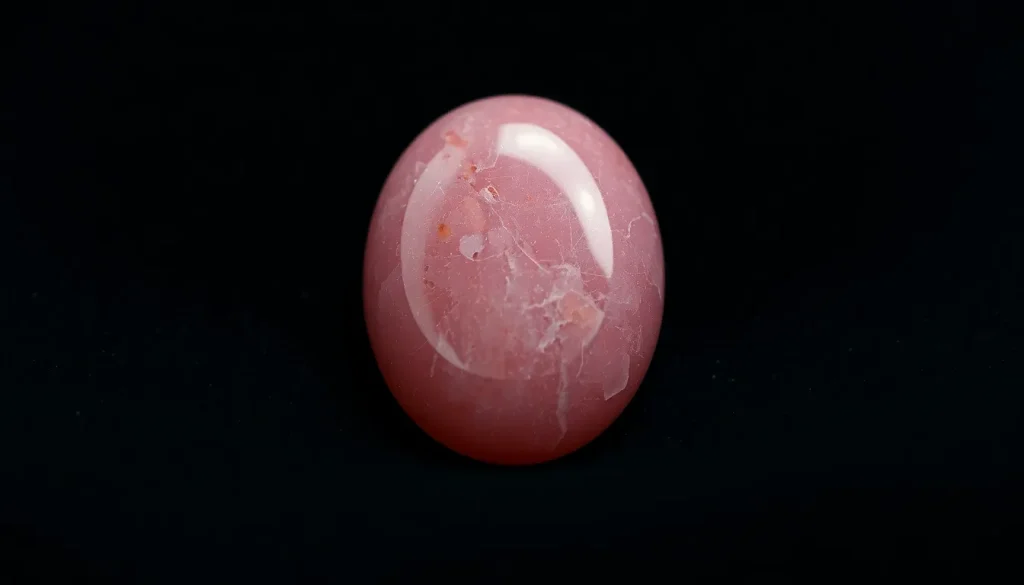
Thulite is a pink‑to‑rose variety of the mineral zoisite, prized for its warm hue and suitability for cabochons, beads, and ornamental pieces. It is a calcium‑aluminium silicate that contains manganese, which imparts the distinctive coloration.
History and Origin
Thulite was first identified in the early 19th century in the Romsdal district of Norway, near the village of Thulen. The name combines the Norse god Thor (Þórr) with the locality, reflecting its Scandinavian discovery. Later deposits were found in Austria, the United States (California), Canada, Brazil, and Madagascar, expanding its availability to the global market.
Meaning and Symbolism
Traditionally, thulite is associated with love, compassion, and emotional balance. Its gentle pink tone is thought to encourage openness in relationships and foster self‑acceptance. In jewelry, it is often chosen as a softer alternative to more intense pink stones such as ruby or pink sapphire.
Healing and Metaphysical Properties
In crystal‑healing circles, thulite is believed to support the heart chakra, helping to release emotional blockages and promote forgiveness. Practitioners claim it can aid in overcoming grief, enhancing self‑esteem, and encouraging creative expression. These attributes are considered spiritual or symbolic and are not medical advice.
Varieties and Types
Thulite is essentially pink zoisite; however, variations exist based on manganese concentration and locality:
- Norwegian Thulite – Typically a light salmon‑pink, often found in massive, granular form.
- Austrian Thulite – Can display deeper rose tones and finer crystal habit.
- North American Thulite – Frequently occurs as translucent cabochons with a soft pink glow.
n
Jewelry Uses and Care
Because of its Mohs hardness of 6.5–7, thulite is suitable for earrings, pendants, and rings that are not subjected to heavy impact. When set in silver or gold, its pink hue is accentuated. Care recommendations include:
- Clean with a soft, lint‑free cloth and mild warm soapy water.
- Avoid ultrasonic cleaners and steam, which can exacerbate any micro‑fractures.
- Store separately from harder gemstones to prevent scratches.
Buying Guide
When purchasing thulite, consider the following factors:
- Color Uniformity – Look for a consistent pink without brown or gray veining.
- Clarity – Translucent stones with minimal inclusions are more valuable.
- Cut – Cabochons that showcase the stone’s depth of color are preferred.
- Treatment Disclosure – Genuine thulite is typically untreated; any heat‑treated or dyed specimens should be clearly identified.
- Certificate – Reputable dealers will provide a gemological report confirming mineral identity and any treatments.
FAQ
What is thulite good for?
Thulite is valued for its warm pink hue in jewelry and ornamental objects. Traditionally it is believed to promote emotional balance and love, while crystal‑healing circles associate it with heart‑chakra work.
Is thulite rare?
High‑quality, uniformly pink thulite is less common than other pink stones, but the mineral itself is not extremely rare. Rarity depends on color depth, clarity, and locality, with Norwegian material often being the most sought after.
How can you tell if thulite is real?
Real thulite feels cool to the touch, has a vitreous luster, and displays a consistent pink color without artificial dye streaks. Professional testing, such as refractive index measurement and spectroscopic analysis, can confirm its identity.
What chakra is thulite associated with?
In crystal‑healing traditions thulite is linked to the Heart (Anahata) chakra, where it is said to support love, compassion, and emotional healing.
How should you clean thulite?
Use a soft cloth with warm, mildly soapy water. Avoid ultrasonic cleaners, steam, or harsh chemicals, and store the stone separately from harder gems to prevent scratches.
Leave a Reply