
Short Answer
Overview
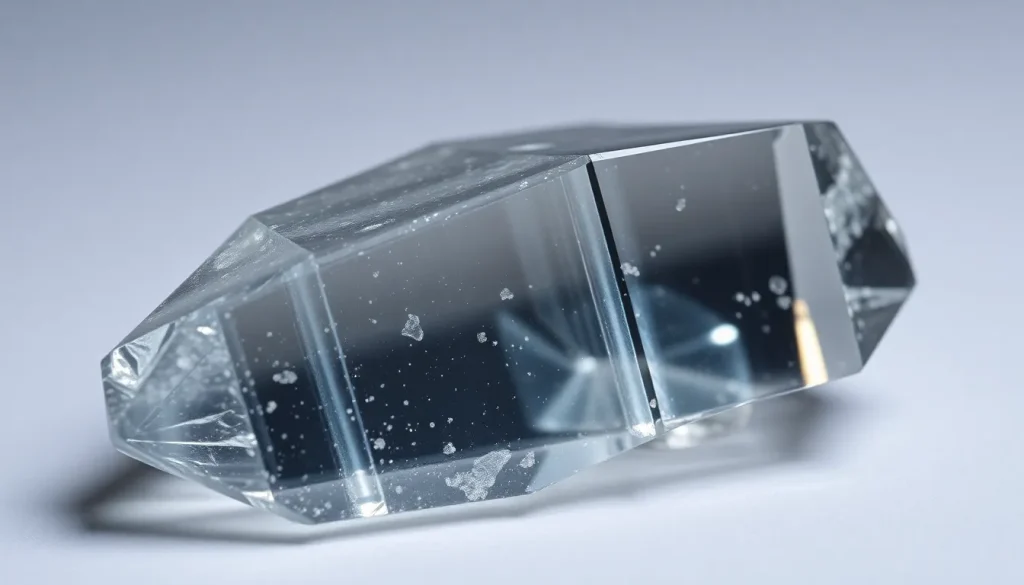
Sillimanite (Al₂SiO₅) is a naturally occurring aluminium silicate mineral that forms orthorhombic crystals and fibrous aggregates. It is one of the three polymorphs of Al₂SiO₅, alongside andalusite and kyanite. In gemology, sillimanite is valued for its high hardness, vitreous to silky luster, and a range of colors from colorless to pale yellow, gray, brown, and occasionally green.
History and Origin
The name “sillimanite” honors American chemist Benjamin Silliman (1816‑1885), who first described the mineral in 1850. Natural deposits have been reported from Brazil, Myanmar, Sri Lanka, Tanzania, the United States (particularly North Carolina), India, and Madagascar. Historically, the fibrous form was used as a refractory material, while the clear, well‑crystallized specimens have been cut for ornamental purposes since the late 19th century.
Meaning and Symbolism
In traditional gemstone lore, sillimanite is associated with clarity of thought, personal growth, and the pursuit of higher knowledge. It is said to encourage perseverance, helping the wearer stay focused on long‑term goals. Some cultures view the stone as a symbol of transformation, reflecting its ability to form under high‑temperature metamorphic conditions.
Healing and Metaphysical Properties
Crystal‑healing practitioners attribute sillimanite with the following beliefs:
- Mind and Spirit: Enhances mental clarity, supports learning, and stimulates intellectual curiosity.
- Energy Work: Thought to align the Crown chakra, promoting spiritual insight and connection to higher consciousness.
- Physical Well‑being: Traditional claims suggest it may aid the skeletal system and help with fatigue, though these are not medically verified.
These properties are based on folkloric and metaphysical traditions and should not replace professional medical advice.
Varieties and Types
Sillimanite occurs in several morphological forms:
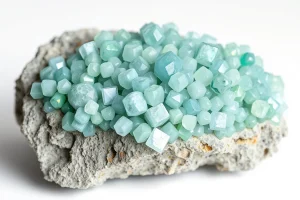
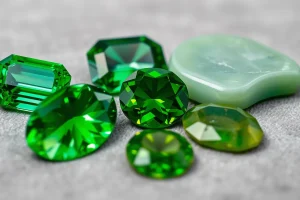
- Prismatic Crystals: Well‑formed orthorhombic prisms that can be faceted for jewelry.
- Fibrous Aggregates (Fibrolite): Thread‑like fibers that display a silky luster; occasionally used in ornamental carvings.
- Massive Granular: Compact, granular masses that are generally cut as cabochons.
Color variations depend on trace impurities, with iron producing brown tones and manganese imparting pale pinkish hues.
Jewelry Uses and Care
Because sillimanite rates 6.5–7 on the Mohs scale, it is suitable for rings, earrings, pendants, and bracelets that experience moderate wear. Its resistance to scratching makes it a practical alternative to more delicate gemstones. Care recommendations include:
- Clean with warm, soapy water and a soft brush; avoid harsh chemicals.
- Dry with a lint‑free cloth; avoid ultrasonic cleaners if the piece contains glued components.
- Store separately from softer gems to prevent cross‑scratching.
Untreated sillimanite is stable under normal conditions, but heat‑treated or coated specimens should be handled according to the specific treatment.
Buying Guide
When purchasing sillimanite, consider the following factors:
- Clarity: Inclusions are common in natural crystals; eye‑clean stones command higher prices.
- Color: Transparent colorless to pale yellow stones are most prized; deep brown or heavily tinted specimens are less valuable.
- Cut: Well‑proportioned prismatic cuts showcase the stone’s luster; avoid overly shallow cuts that reduce brilliance.
- Certification: Request a gemological report from a reputable laboratory (e.g., GIA, IGI) to verify authenticity and any treatments.
Because sillimanite is less common in the gemstone market, prices vary widely. Compare multiple sources and inquire about the stone’s origin and any enhancements before finalizing a purchase.
FAQ
What is sillimanite good for?
Sillimanite is prized for its durability in jewelry and its clear to pale colors, making it suitable for rings and pendants. Traditionally, it is believed to promote mental clarity and spiritual insight, though these claims are not medically proven.
Is sillimanite rare?
High‑quality, transparent sillimanite is relatively uncommon compared with more abundant gemstones. Rarity depends on color, clarity, crystal habit, and whether the stone is untreated. Fine prismatic crystals from known localities are the most scarce.
How can you tell if sillimanite is real?
Real sillimanite exhibits a hardness of 6.5–7, a vitreous luster, and a white streak. It may show perfect basal cleavage. Use a loupe to check for natural inclusions and fractures. For certainty, seek a professional gemological report.
What chakra is sillimanite associated with?
In crystal‑healing traditions, sillimanite is most commonly linked to the Crown Chakra, supporting higher consciousness and spiritual connection.
How should you clean sillimanite?
Clean sillimanite with warm soapy water and a soft brush, then dry with a lint‑free cloth. Avoid harsh chemicals, ultrasonic cleaners (if the piece contains glue), and extreme temperature changes.
Leave a Reply