
Short Answer
Overview
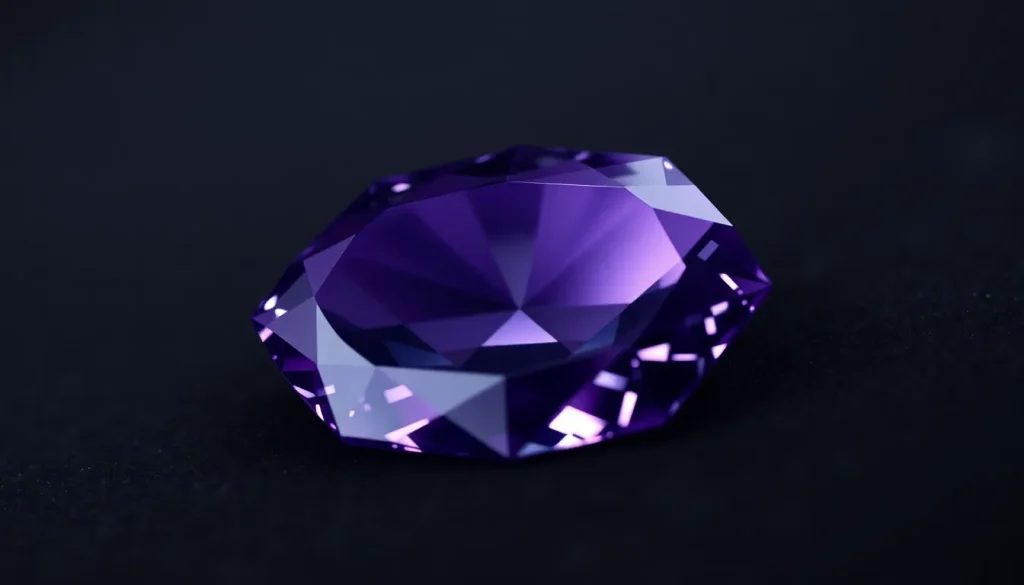
Scapolite is a group of tectosilicate minerals that occur in a range of colors from pure white to gray, pink, violet, and green. The name derives from the Greek skapos (rod) and lithos (stone), referring to the common prismatic crystal habit. In gemology, scapolite is appreciated for its moderate brilliance, relatively high dispersion, and ability to be cut into faceted gems or used as cabochons.
History and Origin
The scapolite group was first described in the early 19th century from deposits in the Alps. Historically, specimens were collected as curiosities rather than for jewelry. Commercial mining began in the United States (New York’s Adirondacks) and later expanded to Canada, Norway, Finland, Italy, Russia, Japan, and Australia. Scapolite is typically formed in metamorphic rocks such as marble and skarn, where it crystallizes from calcium‑rich fluids.
Meaning and Symbolism
In traditional gemstone lore, scapolite is associated with inner peace, humility, and the ability to see beyond illusion. It is said to encourage honest communication and to foster a calm, balanced mindset. Because of its muted palette, it is sometimes linked to modesty and the quiet strength of the earth.
Healing and Metaphysical Properties
Crystal‑healing practitioners attribute scapolite with the ability to dissolve emotional blockages and to promote mental clarity. It is believed to aid in meditation by grounding scattered thoughts and to support the throat chakra for clearer self‑expression. These properties are considered symbolic and are not intended as medical advice.
Varieties and Types
Scapolite occurs mainly as two end‑members:
- Marialite – the chloride‑rich variety, usually colorless to pale blue.
- Meionite – the carbonate‑rich variety, often displaying shades of pink, violet, or brown.
Both end‑members form a solid‑solution series, so many commercial stones contain a mixture of the two. Treated scapolite may be heat‑enhanced to improve color saturation, especially for the violet and pink hues.
Jewelry Uses and Care
Scapolite’s Mohs hardness of 5.5–6.5 makes it suitable for earrings, pendants, and brooches, but it is less appropriate for rings that endure heavy wear. The mineral exhibits a vitreous luster and can be polished to a high sheen. When cleaning, use warm, soapy water and a soft brush; avoid ultrasonic cleaners if the stone has been heat‑treated, as rapid temperature changes can cause cleavage.
Buying Guide
When selecting scapolite, consider the following factors:
- Color Saturation – Deep violet or pink stones are rarer and command higher prices.
- Clarity – Inclusions are common; eye‑clean stones are more valuable.
- Cut – Well‑cut facets enhance brilliance; cabochon cuts showcase translucency.
- Treatment Disclosure – Ask the seller if the stone has been heat‑treated or dyed.
- Certification – For larger pieces, a gemological lab report (e.g., GIA) provides assurance of authenticity.
Purchase from reputable dealers who can provide provenance and any treatment information. Scapolite is generally affordable, making it an attractive option for collectors seeking a unique, lesser‑known gemstone.
FAQ
What is scapolite good for?
Scapolite is valued for jewelry making, especially in earrings, pendants, and cabochons, and is also sought after by collectors for its unique colors. Traditionally, it is believed to promote calm communication and emotional balance.
Is scapolite rare?
Scapolite is relatively common in metamorphic rocks, but high‑quality, vividly colored specimens (especially deep violet or pink) are less abundant and therefore more valuable.
How can you tell if scapolite is real?
Authentic scapolite shows a vitreous luster, a Mohs hardness of 5.5–6.5, and a white streak. Professional gemologists use refractive index measurement and spectroscopic analysis to confirm identity and detect any treatments.
What chakra is scapolite associated with?
In crystal‑healing traditions, scapolite is often linked to the throat chakra for clearer expression, though no single standard chakra association exists.
How should you clean scapolite?
Clean scapolite with warm, mildly soapy water and a soft brush. Avoid harsh chemicals, ultrasonic cleaners, and sudden temperature changes, especially if the stone has been heat‑treated.
Leave a Reply