
Short Answer
Overview
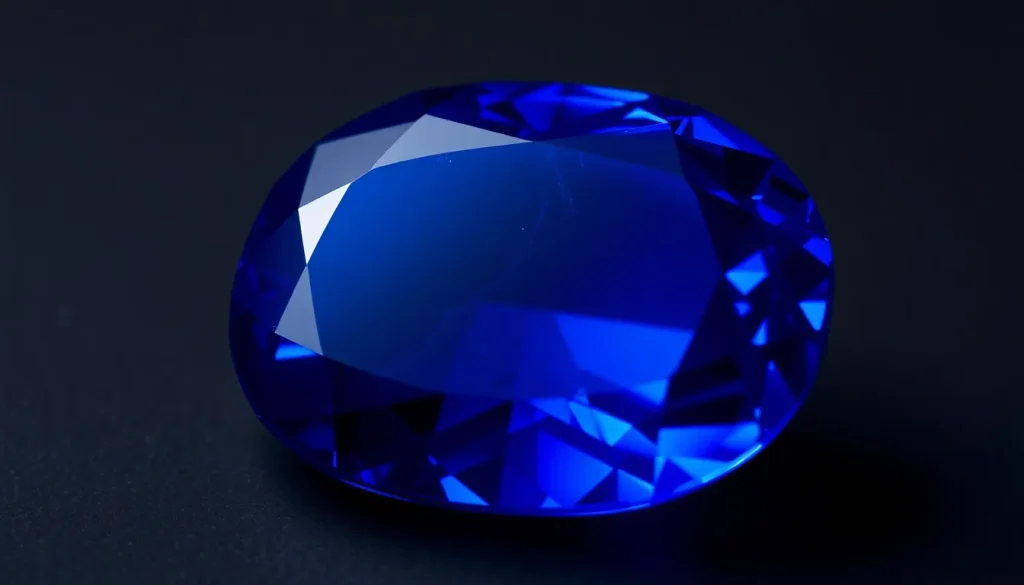
Sapphire is a gemstone variety of the mineral corundum (aluminum oxide, Al2O3) distinguished primarily by its color. While the classic deep blue sapphire dominates popular perception, corundum occurs in a full spectrum of hues, each classified as a sapphire when the color is not red (which designates ruby).
With a Mohs hardness of 9, sapphire ranks just below diamond, making it exceptionally resistant to scratching. Its high refractive index (1.762–1.770) and strong adamantine luster give it a brilliant sparkle, especially when cut in classic shapes such as round, oval, or cushion.
History and Origin
The name “sapphire” derives from the Greek sappheiros, meaning “blue stone.” Historical records show that ancient Persians, Greeks, and Romans prized blue sapphires for their rarity and perceived protective powers. Major historic sources include the Kashmir region (renowned for its velvety blue) and Sri Lanka (Ceylon), which supplied the world’s first large‑scale shipments in the 19th century.
Modern mining expanded to Madagascar, Myanmar (Burma), Tanzania, and Australia during the 20th century, diversifying the supply of both traditional blue and fancy‑colored sapphires. Synthetic sapphire, produced by the Verneuil (flame‑fusion) process in the early 1900s, now serves industrial, scientific, and watch‑making applications, but natural stones remain the standard in fine jewelry.
Meaning and Symbolism
Across cultures, sapphire has symbolized wisdom, loyalty, and divine favor. In medieval Europe, it was believed to protect the wearer from harm and to attract the favor of the heavens. In Hindu tradition, blue sapphire is linked to the planet Saturn and is thought to bring discipline and focus. The gemstone is also the traditional birthstone for September, representing sincerity and faithfulness.
Healing and Metaphysical Properties
Traditional crystal‑healing beliefs attribute calming, centering, and communication‑enhancing qualities to sapphire. Practitioners claim that placing a sapphire on the throat chakra can aid in truthful expression and mental clarity. Some also associate the stone with alleviating stress, supporting the nervous system, and fostering inner wisdom. These claims are not medical facts; they reflect cultural and metaphysical traditions.
Varieties and Types
Sapphires are categorized primarily by color, origin, and optical phenomena. Major varieties include:
- Blue Sapphire – Ranges from pale cornflower to deep “royal” blue; Kashmir and Sri Lankan stones are especially prized.
- Padparadscha – A rare pink‑orange hue, primarily sourced from Sri Lanka and Madagascar.
- Yellow & Gold Sapphire – Warm golden tones, often heat‑treated to enhance color.
- Green Sapphire – From pale mint to vivid emerald‑like green; less common than blue.
- Pink Sapphire – Soft rose to vivid magenta; frequently confused with ruby when the hue is deep red.
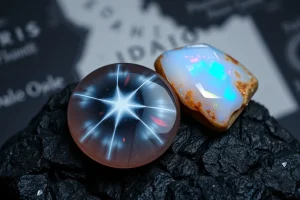
- Star Sapphire – Exhibits a asterism (star‑shaped light) due to oriented needle‑like inclusions; can appear in any color.
- Color‑Change Sapphire – Shifts hue under different lighting, most famously from blue in daylight to violet under incandescent light.
Many sapphires undergo heat treatment to improve clarity and color saturation. Untreated, natural stones are highly valued, especially when they display vivid, saturated hues without visible inclusions.
Jewelry Uses and Care
Because of its hardness and durability, sapphire is suitable for virtually any jewelry setting, including rings, earrings, pendants, and watch crystals. It pairs well with metals such as platinum, white gold, and yellow gold, and its cool blue tone complements diamonds and other colored gems.
Cleaning and Maintenance
- Use warm, soapy water and a soft brush for routine cleaning.
- Avoid harsh chemicals, especially chlorine, which can affect surface treatments.
- Ultrasonic cleaners are generally safe, but if the stone is heat‑treated or has surface fissures, hand cleaning is recommended.
- Store sapphires separately from softer gemstones (e.g., opal, pearl) to prevent scratching.
Setting Considerations
Sapphires are often set in bezel or prong settings that protect the stone while showcasing its brilliance. For star sapphires, a flat or shallow pavilion setting allows the asterism to be visible from above.
Buying Guide
When purchasing a sapphire, consider the following factors:
- Color Saturation – The most valuable sapphires display vivid, evenly distributed color without gray or brown overtones.
- Clarity – Inclusions are common; however, a clear stone with minimal visible blemishes commands higher prices.
- Cut – Well‑cut stones maximize brilliance and may help mask minor inclusions.
- Origin – Kashmir, Sri Lankan, and Burmese sapphires are historically prized; provenance can affect price and desirability.
- Treatment Disclosure – Reputable dealers disclose any heat treatment, diffusion, or synthetic origins. Untreated stones are rarer and more expensive.
- Certification – A GIA, IGI, or equivalent laboratory report provides assurance of authenticity, treatment status, and grading.
Finally, purchase from a reputable jeweler who offers a clear return policy and after‑care services. Remember that personal preference for hue and setting style should guide the final decision as much as technical grading.
FAQ
What is sapphire good for?
Sapphire is valued for its durability in fine jewelry, its striking color range, and, in traditional beliefs, for promoting wisdom, calm communication, and spiritual insight.
Is sapphire rare?
High‑quality, untreated sapphires in vivid colors are relatively rare, especially from historic sources like Kashmir. Treated or lower‑grade stones are more common and widely available.
How can you tell if sapphire is real?
Real sapphire has a high refractive index, strong birefringence, and a hardness of 9. Professional testing with a gemological microscope, refractometer, or spectroscopy, and a certified lab report, provides certainty.
What chakra is sapphire associated with?
Traditionally, sapphire is linked to the Throat (Vishuddhi) chakra, where it is believed to aid clear communication and self‑expression.
How should you clean sapphire?
Clean sapphire with warm, mild soapy water and a soft brush. Avoid harsh chemicals and prolonged ultrasonic exposure if the stone is heat‑treated or has surface fissures. Store separately from softer gems.
Leave a Reply