
Short Answer
Overview
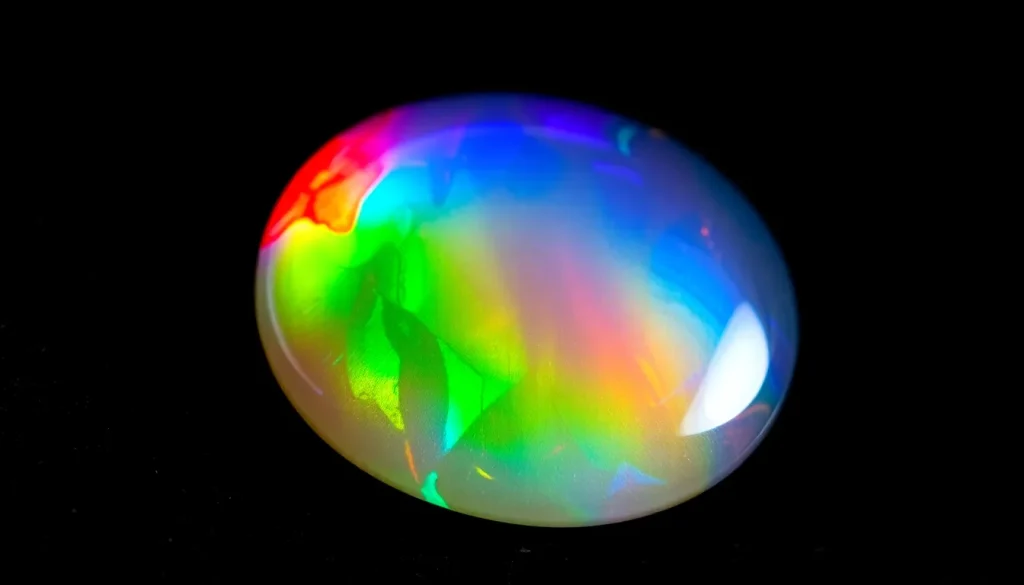
The designation “Rainbow” is applied to a range of gemstones that exhibit a striking, multicolored iridescence reminiscent of a natural rainbow. This optical phenomenon, often called “play of color,” results from internal diffraction, interference, or structural coloration within the mineral. Because the effect is not tied to a single mineral, Rainbow gemstones can be found in fluorite, opal, quartz, tourmaline, and several other species.
History and Origin
Historical records show that ancient cultures prized iridescent stones for their mystical appearance. Early traders grouped these stones by visual effect rather than chemistry, coining terms such as “rainbow fluorite” in Europe (19th century) and “rainbow opal” in Australia (early 20th century). Modern gemology classifies the rainbow effect as a property of the specimen rather than a distinct mineral species.
Meaning and Symbolism
In traditional folklore, rainbow‑effect stones are associated with joy, transformation, and the bridging of opposites. They are said to symbolize hope after a storm, personal renewal, and the integration of diverse energies. The ever‑changing colors are often linked to creativity and the ability to adapt to new circumstances.
Healing and Metaphysical Properties
Crystal‑healing practitioners believe Rainbow gemstones help balance emotional states, encouraging optimism and inner harmony. They are thought to stimulate the heart and third‑eye chakras, fostering compassion and intuitive insight. These claims are based on tradition and should not replace professional medical advice.
Varieties and Types
Because the rainbow effect can appear in many minerals, several well‑known varieties exist:
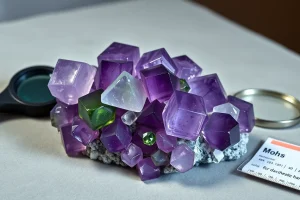
- Rainbow Fluorite – CaF₂, cubic crystals, bright green to purple base with vivid bands of red, orange, and blue.
- Rainbow Opal – Hydrated silica, amorphous, displays a luminous play of color across the stone’s surface.
- Rainbow Quartz – SiO₂, often milky or smoky quartz that shows iridescent layers after heat treatment.
- Rainbow Tourmaline – Complex boron‑silicate, showing multicolored zones within a single crystal.
Each variety shares the visual hallmark of shifting hues, yet their physical properties—hardness, density, and cleavage—remain those of the underlying mineral.
Jewelry Uses and Care
Rainbow gemstones are popular in pendants, earrings, and cocktail rings where their dynamic color can be showcased. Because some varieties (e.g., opal) are relatively soft or porous, setting choices often favor protective bezel or halo designs.
General care guidelines:
- Clean with a soft, lint‑free cloth; avoid ultrasonic cleaners for porous stones.
- Use mild soap and lukewarm water for durable varieties like quartz; rinse thoroughly.
- Store separately from harder gems to prevent scratches.
- Avoid prolonged exposure to direct sunlight for opal, as prolonged UV can fade some colors.
Buying Guide
When purchasing a Rainbow gemstone, consider the following:
- Source Transparency – Reputable dealers should disclose the mineral species, treatment history, and any enhancement.
- Color Play – View the stone under varied lighting; genuine rainbow effect will shift with angle.
- Hardness & Durability – Match the intended jewelry use with the stone’s Mohs rating (e.g., quartz ≥7, opal 5‑6.5).
- Cut and Setting – Well‑cut cabochons often maximize the play of color; avoid deep facets that can mask iridescence.
- Price Benchmarks – Prices vary widely; high‑quality, untreated specimens command premium rates.
n
For confidence, request a gemological report from a recognized laboratory such as GIA or IGI.
FAQ
What is Rainbow (var.) good for?
Rainbow gemstones are valued for decorative jewelry because of their vivid color shift, and traditionally they are believed to promote optimism and emotional balance.
Is Rainbow (var.) rare?
Rarity depends on the underlying mineral, the intensity of the rainbow effect, and any treatments; high‑quality, untreated specimens of certain varieties can be quite rare.
How can you tell if Rainbow (var.) is real?
Examine the stone under varied lighting; genuine play of color will change with angle. Look for natural inclusions, consistent hardness, and request a gemological report for confirmation.
What chakra is Rainbow (var.) associated with?
In crystal‑healing traditions, Rainbow gemstones are often linked to the heart and third‑eye chakras, though no single standard chakra is universally accepted.
How should you clean Rainbow (var.)?
Use a soft cloth and mild soap with lukewarm water for durable varieties; avoid harsh chemicals, ultrasonic cleaners, and prolonged UV exposure, especially for porous stones like opal.
Leave a Reply