
Short Answer
Overview
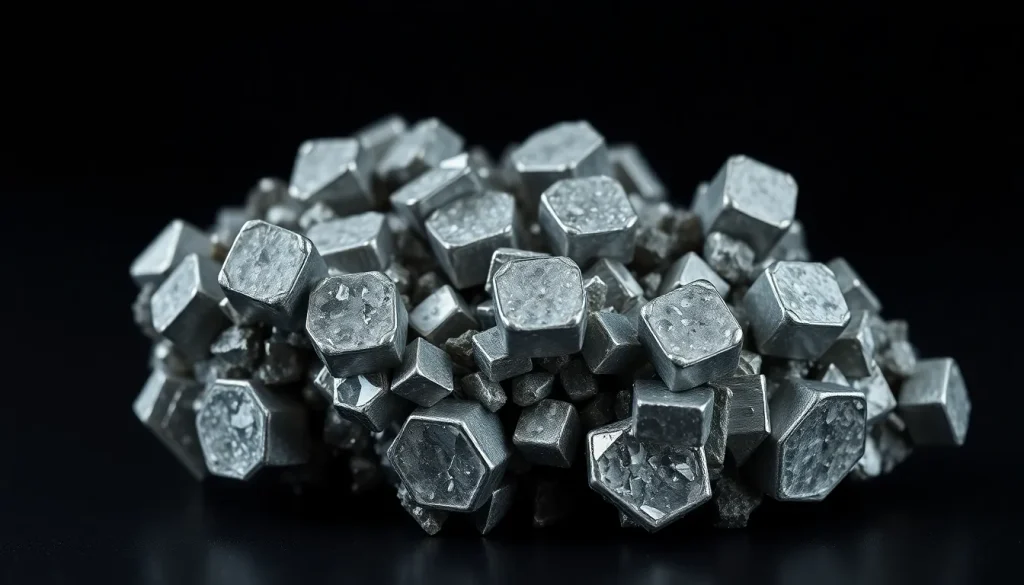
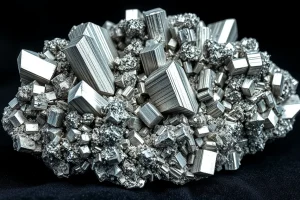
Nickeline, also known as niccolite, is a metallic sulfide mineral composed of nickel arsenide (NiAs). It typically forms silver‑gray to iron‑black, metallic crystals that are opaque and display a brilliant sub‑metallic luster. The mineral crystallizes in the hexagonal system and is commonly found in hydrothermal veins and as an alteration product of nickel‑bearing sulfides.
History and Origin
The name “nickeline” derives from the element nickel, which itself was named after the German word “kupfernickel” meaning “false copper.” The mineral was first described in the early 19th century from specimens found in the Ural Mountains of Russia. Since then, notable occurrences have been reported from Canada, the United States (Idaho), Sweden, Germany, and Western Australia.
Meaning and Symbolism
In traditional gemstone lore, the deep metallic sheen of nickeline is associated with strength, resilience, and the ability to “shine through darkness.” Its nickel content links it symbolically to endurance and the protection of the wearer, especially in challenging circumstances.
Healing and Metaphysical Properties
Crystal‑healing practitioners attribute nickeline with grounding energy that helps stabilize emotions and promote confidence. It is believed to support the physical body’s metabolism of iron and to aid in the absorption of trace minerals. These claims are part of traditional belief systems and are not medical advice.
Varieties and Types
- Nickeline (Niccolite) – the pure NiAs mineral.
- Violarite – a secondary alteration product of nickeline, often greenish‑black.
- Co‑nickeline – specimens containing measurable cobalt substituting for nickel.
Jewelry Uses and Care
Because nickeline is relatively soft (Mohs 5.5‑6) and brittle, it is seldom used in mainstream jewelry. When employed, it appears as small inlays, cabochons, or as a decorative accent in metalwork. Care recommendations include:
- Clean with a soft, lint‑free cloth; avoid abrasive cleaners.
- Do not expose to acids, chlorinated water, or prolonged sunlight, which can tarnish the metallic surface.
- Store separately from softer gemstones to prevent scratching.
- Consider applying a protective clear coating if the piece will be worn frequently.
Buying Guide
When purchasing nickeline, consider the following:
- Authenticity – genuine nickeline feels heavy for its size (specific gravity ~8.4) and displays a uniform metallic luster.
- Source – reputable dealers will provide provenance, especially for specimens from known localities such as the Urals or Canada.
- Treatment – most nickeline is used in natural form; be wary of specimens that have been artificially darkened or coated.
- Certification – for high‑value pieces, request a gemological report confirming chemical composition and absence of hazardous arsenic exposure.
FAQ
What is nickeline good for?
Nickeline is primarily valued by mineral collectors for its metallic luster and high density. In crystal‑healing circles it is believed to provide grounding and confidence, but these uses are not medically substantiated.
Is nickeline rare?
High‑quality, well‑formed nickeline crystals are relatively uncommon because the mineral forms in specific nickel‑rich hydrothermal environments. It is more abundant as massive aggregates, especially in historic mining districts.
How can you tell if nickeline is real?
Real nickeline feels heavy for its size, exhibits a uniform metallic luster, and shows a black streak. A simple hardness test (scratching with a steel file) will not leave a mark. Professional verification with X‑ray fluorescence or a gemological lab is recommended for certainty.
What chakra is nickeline associated with?
Traditional crystal‑healing sources sometimes link nickeline to the Root (Muladhara) chakra because of its grounding metallic energy, though there is no universally accepted association.
How should you clean nickeline?
Clean nickeline gently with a soft, lint‑free cloth. Avoid abrasive cleaners, acids, or chlorinated water, which can tarnish the surface. Store it separately from softer gemstones to prevent scratches.
Leave a Reply