
Short Answer
Overview
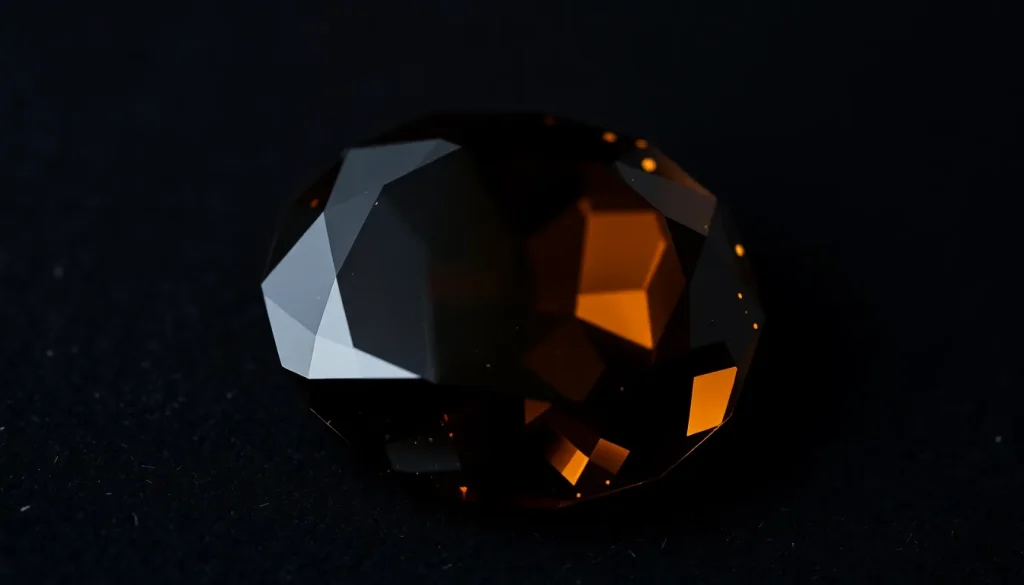
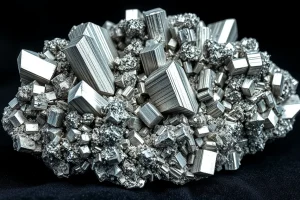
Microlite is a complex oxide mineral of the pyrochlore group, most commonly found in dark brown, black, or reddish‑brown masses. Its high refractive index and relatively high specific gravity give it a distinctive sparkle when cut, though its hardness and cleavage limit its widespread use in mainstream jewelry.
History and Origin
The name “microlite” derives from the Greek words mikros (small) and lithos (stone), reflecting the typically small crystal habit of the mineral. Microlite was first described in the late 19th century from specimens in the United States, and later occurrences were documented in Canada, Brazil, Russia, and Tanzania. Historically, the mineral has been of interest to collectors rather than as a commercial gemstone, due to its rarity in gem‑quality form.
Meaning and Symbolism
In traditional gemstone lore, microlite is associated with grounding and protection. Its dark coloration is said to absorb negative energies, while the mineral’s high density symbolizes stability and strength. These symbolic attributes make it a popular talisman for those seeking resilience in challenging circumstances.
Healing and Metaphysical Properties
Crystal‑healing practitioners attribute microlite with the ability to balance the root chakra, promote inner stability, and aid in the release of emotional blockages. It is also believed to support mental clarity and assist in decision‑making. These claims are based on long‑standing metaphysical traditions and are not intended as medical advice.
Varieties and Types
Microlite occurs primarily in two compositional varieties:
- Na‑rich microlite – Dominated by sodium in the A‑site of the crystal structure.
- Ca‑rich microlite – Higher calcium content, often giving a slightly lighter hue.
Both varieties share the same cubic crystal system but may differ subtly in color intensity and density.
Jewelry Uses and Care
Because microlite ranks 5.5–6.5 on the Mohs scale, it is best suited for earrings, pendants, and brooches where impact risk is low. When set in protective settings such as bezel or channel, the stone’s brilliance can be showcased while minimizing mechanical stress.
Care recommendations:
- Clean with a soft, lint‑free cloth; avoid ultrasonic cleaners.
- Use mild warm soapy water and a soft brush for stubborn dirt.
- Store separately from harder gemstones to prevent scratching.
- Avoid prolonged exposure to high heat or strong chemicals, as these can alter surface lusters.
Buying Guide
When purchasing microlite, consider the following factors:
- Color and Transparency – Deep, uniform colors with minimal inclusions are most desirable.
- Cut and Setting – Well‑cut stones display higher brilliance; secure settings protect the relatively soft material.
- Origin Documentation – Reputable dealers should provide provenance, especially for specimens from noted localities such as Ontario (Canada) or the Ural Mountains (Russia).
- Treatment Disclosure – Some microlite stones are heat‑treated to enhance color; ensure any treatments are fully disclosed.
- Certification – While formal gem‑ological certificates are rare for microlite, a detailed appraisal from a qualified gemologist can verify authenticity.
FAQ
What is microlite good for?
Microlite is prized by collectors for its rarity and high refractive index, and it is occasionally used in specialty jewelry. In crystal‑healing traditions, it is believed to provide grounding and protective energy.
Is microlite rare?
Gem‑quality microlite is relatively rare because high‑quality, transparent crystals are uncommon. The mineral is more widely found as opaque masses in ore deposits, making fine cut stones limited and often more valuable.
How can you tell if microlite is real?
Real microlite displays a high refractive index (2.05–2.10), a specific gravity above 5.8, and a dark, uniform color. Professional gemologists use a refractometer, heaviness test, and possibly X‑ray diffraction to confirm authenticity.
What chakra is microlite associated with?
Traditional crystal‑healing sources associate microlite with the Root (Muladhara) chakra, though there is no universally accepted chakra assignment.
How should you clean microlite?
Clean microlite with a soft, lint‑free cloth and mild warm soapy water. Avoid ultrasonic cleaners, harsh chemicals, and high heat, as the stone’s relatively low hardness and potential surface treatments can be damaged.
Leave a Reply