
Short Answer
Overview
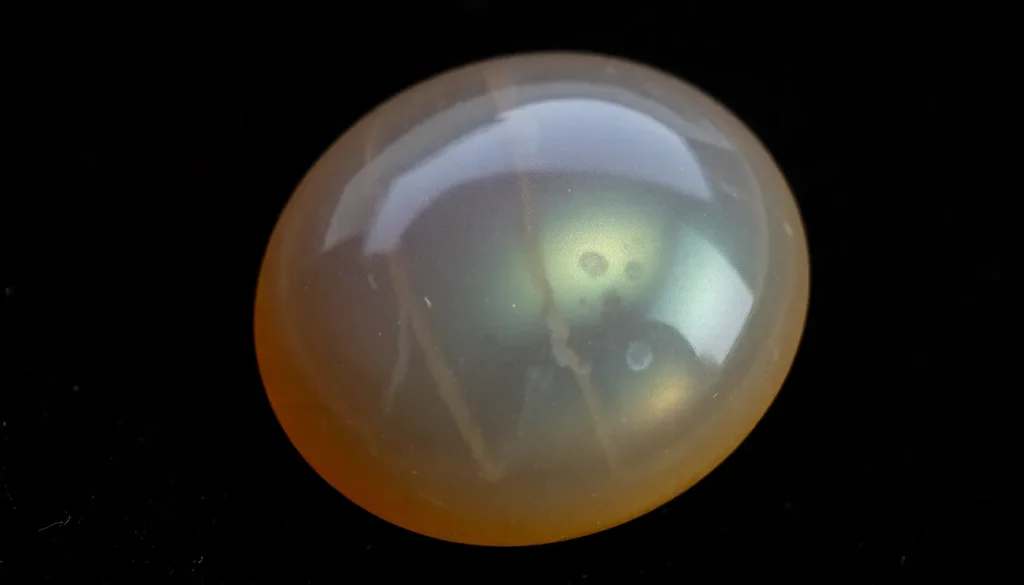
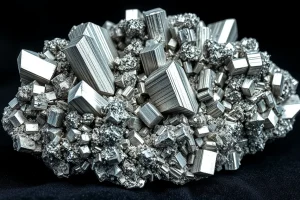
Hypersthene is a member of the orthorhombic pyroxene series, chemically represented as (Mg,Fe)SiO3. It occurs in medium‑ to high‑grade igneous and metamorphic rocks, often forming prismatic crystals with a submetallic to vitreous luster. In gemological contexts, hypersthene is valued for its pleochroic brown‑gray to greenish tones and is occasionally cut as a cabochon or bead.
History and Origin
The name derives from the Greek hyper (excess) and sthenos (strength), reflecting its relatively high specific gravity compared with other silicates. Recognized as a distinct mineral in the early 19th century, hypersthene was originally described from specimens in the United States and Scandinavia. Historically it was used as a decorative stone in the Art Deco period, though its susceptibility to cleavage limited widespread adoption.
Meaning and Symbolism
In traditional gemstone lore, hypersthene is associated with grounding, stability, and inner strength. Its earthy hues are thought to encourage practicality and perseverance, making it a symbolic talisman for those facing challenging decisions.
Healing and Metaphysical Properties
Crystal‑healing practitioners claim that hypersthene can aid in balancing the root chakra, promoting a sense of security and connection to the physical world. It is also said to support the digestive system and assist in detoxification processes. These beliefs are cultural and spiritual in nature; they do not replace professional medical advice.
Varieties and Types
- Typical Hypersthene – Brown to gray with moderate pleochroism.
- Ferrohypersthene – Higher iron content, darker gray to black.
- Enstatite‑Hypersthene Series – Continuous solid solution between Mg‑rich enstatite and Fe‑rich hypersthene.
Jewelry Uses and Care
Because hypersthene exhibits perfect cleavage in two directions, it is most often fashioned into low‑cut cabochons, beads, or inlay work where stress is minimized. When set in jewelry, protective settings such as bezels or channels are recommended.
Care instructions:
- Clean with warm, soapy water and a soft brush; avoid ultrasonic cleaners.
- Dry with a lint‑free cloth; do not expose to harsh chemicals.
- Store separately from harder gemstones to prevent scratching.
- Avoid prolonged exposure to direct sunlight, which can fade pleochroic colors.
Buying Guide
When purchasing hypersthene, consider the following factors:
- Color and Pleochroism – Look for vivid, evenly distributed hues; strong pleochroic contrast is prized.
- Clarity – Inclusions are common; select pieces with minimal fracture lines.
- Cut – Cabochons with a smooth dome reduce the risk of cleavage breakage.
- Origin and Treatment – Genuine hypersthene is usually untreated; be wary of stones marketed as “enhanced” without disclosure.
- Certification – For high‑value pieces, request a gemological report from a recognized laboratory.
FAQ
What is hypersthene good for?
Hypersthene is valued for its distinctive brown‑gray to greenish colors and pleochroism, making it popular in cabochon jewelry and collector pieces. Traditional beliefs also associate it with grounding and stability, though these are not medically proven.
Is hypersthene rare?
High‑quality, well‑cleaved hypersthene with vivid color is relatively uncommon. The mineral itself is abundant in suitable rock types, but gem‑grade material without fractures or heavy inclusions is less frequently found.
How can you tell if hypersthene is real?
Real hypersthene displays a submetallic to vitreous luster, perfect cleavage, and a grayish‑white streak. It also shows pleochroism under polarized light. For certainty, have the stone examined by a certified gemologist using refractive index and spectroscopy tests.
What chakra is hypersthene associated with?
In crystal‑healing traditions, hypersthene is commonly linked to the Root (Muladhara) chakra, supporting grounding and a sense of security.
How should you clean hypersthene?
Clean hypersthene gently with warm soapy water and a soft brush. Rinse thoroughly, pat dry with a lint‑free cloth, and store it separately from harder gemstones. Avoid ultrasonic cleaners and harsh chemicals, which can damage its cleavage planes.
Leave a Reply