Short Answer
Overview
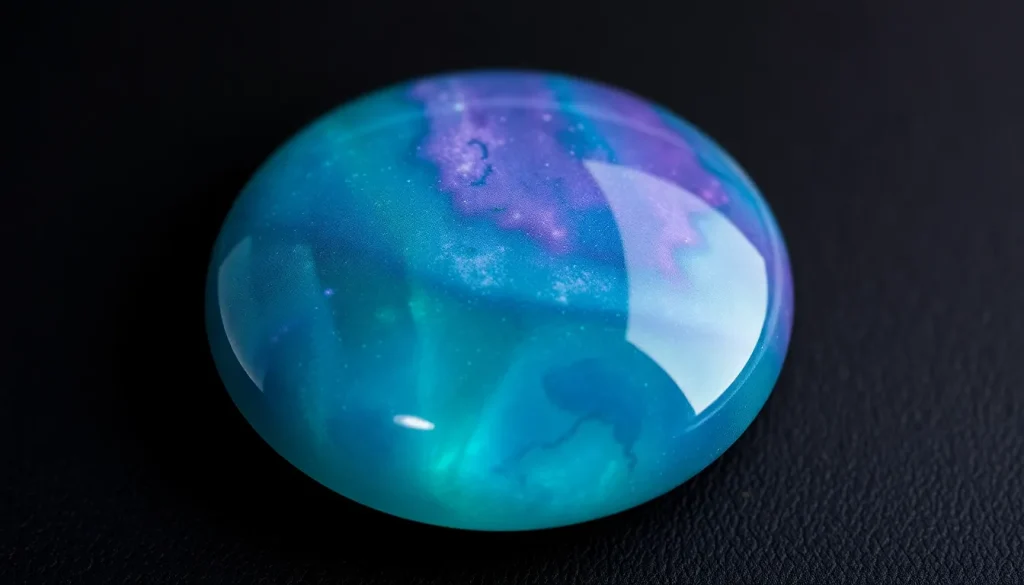
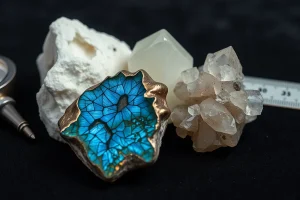
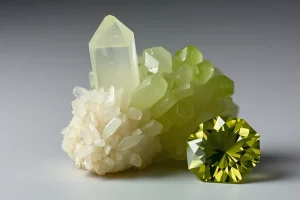
Hyperitdiabas is a rare and relatively obscure gemstone that appears in limited gemological literature. It is generally described as a multicoloured silicate mineral, exhibiting a range of hues from pale greens to deep blues, sometimes with iridescent flashes. Because the stone is not widely mined or traded, most information about its crystallography, chemistry, and global distribution remains fragmentary. Nevertheless, collectors and designers value Hyperifdiabas for its distinctive visual character and the aura of mystery that surrounds it.
History and Origin
The first recorded mention of Hyperitdiabas appears in a 20th‑century mineral catalog, where it was listed as a tentative variety of an unnamed silicate. No definitive mining locality has been confirmed, and the stone is not associated with any major historic gemstone trade routes. Some gemologists suspect that isolated specimens may have originated from remote pegmatitic veins, but without verified provenance the exact geological setting remains speculative. Over the past few decades, a handful of hand‑cut cabochons and faceted pieces have entered the private market, often marketed under the trade name “Hyperite.”
Meaning and Symbolism
In the realm of gemstone symbolism, Hyperitdiabas is traditionally linked to concepts of transformation and inner illumination. Its shifting colours are said to mirror the wearer’s evolving emotional landscape, encouraging adaptability and creative expression. Because the stone is rare, it is sometimes viewed as a talisman of uniqueness and personal distinction.
Healing and Metaphysical Properties
Crystal‑healing practitioners attribute several metaphysical qualities to Hyperitdiabas. The stone is believed to support mental clarity, aid in the release of stagnant thoughts, and enhance intuitive insight. Some claim it balances the throat and third‑eye chakras, fostering honest communication and heightened perception. These assertions are rooted in traditional belief systems and should not be interpreted as medical advice.
Varieties and Types
Because the gemstone is not extensively studied, documented varieties are limited. Reported specimens show a spectrum of colouration, often described using the following informal categories:
- Green‑Blue Hyperitdiabas: Dominant teal or turquoise tones with occasional flecks of amber.
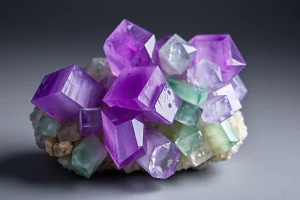
- Violet‑Sheen Hyperitdiabas: Deep violet base colour accompanied by a subtle iridescent sheen.
- Multicolour Hyperitdiabas: A blend of green, blue, and violet zones, sometimes exhibiting a faint opalescent glow.
All varieties share a vitreous to sub‑adamantine luster and are typically cut in cabochon or low‑cut faceted styles to showcase their colour play.
Jewelry Uses and Care
Hyperitdiabas’s estimated Mohs hardness of 6–7 makes it suitable for earrings, pendants, and rings that are not subjected to heavy impact. Because the stone may possess indistinct cleavage and a tendency toward surface micro‑fractures, protective settings such as bezels or protective backs are recommended.
Cleaning and maintenance should follow these guidelines:
- Use lukewarm water with a mild, non‑abrasive detergent.
- Gently brush with a soft, natural‑hair brush to remove debris.
- Avoid ultrasonic cleaners and steam cleaning, as the stone’s internal structure may be sensitive to rapid temperature changes.
- Store pieces separately in a soft pouch to prevent scratching against harder gemstones.
Buying Guide
When evaluating Hyperitdiabas, consider the following factors:
- Source Documentation: Reputable dealers should provide provenance or laboratory reports confirming the stone’s identity.
- Colour Consistency: Look for even colour distribution without excessive zoning, unless the variability is an intentional design feature.
- Cut Quality: Well‑executed cabochons or low‑cut facets will enhance the stone’s natural luster and minimize stress on potential cleavage planes.
- Treatment Disclosure: Some specimens may be enhanced by heat or surface coating to improve colour; ensure any treatment is fully disclosed.
- Price Benchmarks: Because market data are scarce, compare prices with other rare silicate gemstones of similar hardness and size.
For high‑value purchases, obtain an independent appraisal from a certified gemologist (e.g., GIA‑accredited) and request a detailed gem‑report outlining physical and optical properties.
FAQ
What is Hyperitdiabas good for?
Hyperitdiabas is prized for its unique multicoloured appearance in jewelry and is traditionally believed to aid transformation and intuitive insight. Practically, it can be set in earrings, pendants, and rings where moderate hardness is acceptable.
Is Hyperitdiabas rare?
Yes, Hyperitdiabas is considered rare because documented specimens are few, mining locations are uncertain, and high‑quality material is scarce. Rarity is also influenced by limited commercial awareness and the lack of widespread trade.
How can you tell if Hyperitdiabas is real?
Authenticity can be assessed by examining colour consistency, luster, and any reported provenance. Professional testing—such as refractive index measurement, spectroscopy, or a GIA‑issued gem‑report—provides definitive verification.
What chakra is Hyperitdiabas associated with?
In crystal‑healing belief systems, Hyperitdiabas is linked to the throat and third‑eye chakras, supporting communication and intuitive perception. This association is traditional and not scientifically proven.
How should you clean Hyperitdiabas?
Clean Hyperitdiabas with lukewarm soapy water and a soft brush. Avoid ultrasonic or steam cleaners, and store the stone separately to prevent scratches. Treat any treated specimens according to the specific care instructions for the applied treatment.
Leave a Reply