
Short Answer
Overview
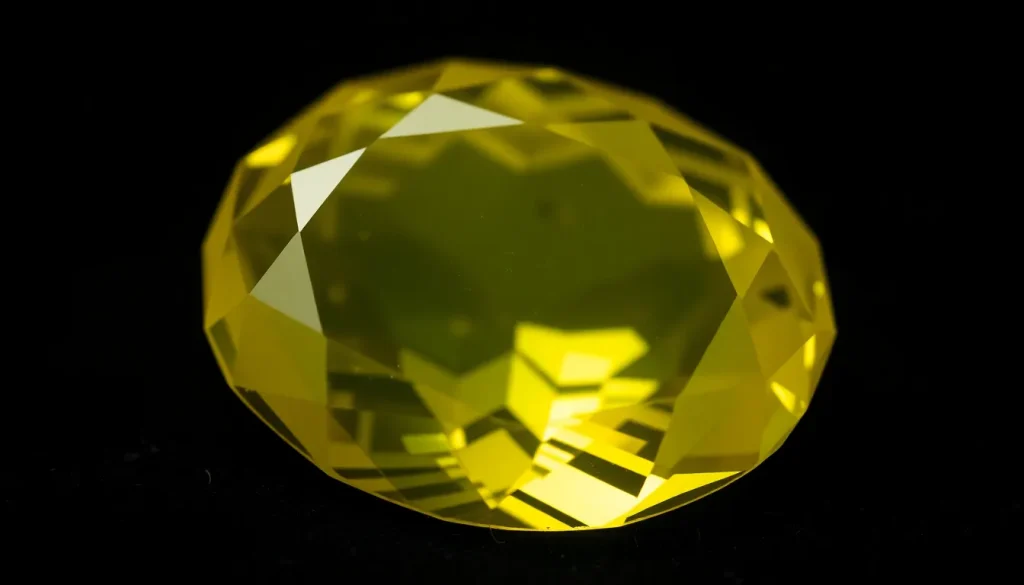
Hambergite is a beryllium borate mineral with the chemical formula Be2BO3OH. It crystallises in the orthorhombic system and typically occurs as colourless to white, transparent crystals that display a vitreous luster. With a Mohs hardness of 7.5–8 and a specific gravity of 2.30–2.39, hambergite is relatively hard and lightweight, traits that make it suitable for faceted gemstones. The stone is prized for its high refractive index (1.578–1.585) and its ability to produce bright, diamond‑like sparkle when cut.
History and Origin
The mineral was first described in 1908 from an occurrence in the Hamberg district of northern Norway. It was named in honour of the Swedish mineralogist and geographer Axel Hamberg (1863–1933), who contributed significantly to the study of Scandinavian minerals. Subsequent notable localities have been identified in the Ural Mountains of Russia, the San Benito County of California (USA), Afghanistan, and Japan. These deposits are generally small, and gem‑quality crystals are considered rare.
Meaning and Symbolism
In traditional gemstone symbolism, hambergite is associated with purity, mental clarity, and the illumination of truth. Its colourless nature is said to reflect an unclouded mind and the ability to see situations without bias. The stone is also linked to inner strength and the courage to express one’s authentic self.
Healing and Metaphysical Properties
According to crystal‑healing traditions, hambergite is believed to enhance intellectual focus, aid in meditation, and support communication with higher realms. Practitioners claim it can stimulate the crown chakra, promoting spiritual awareness and a sense of universal connection. These properties are considered metaphysical beliefs and are not supported by medical evidence.
Varieties and Types
- Colourless (pure) hambergite: The most common and sought after for jewelry; exhibits high brilliance.
- Pale yellow hambergite: Occasionally found; the slight hue is due to trace impurities.
- Pink hambergite: Rare, caused by minute amounts of manganese or iron.
All varieties share the same crystal structure and physical properties; differences are limited to subtle colour variations.
Jewelry Uses and Care
Because of its hardness and attractive sparkle, hambergite is cut into faceted gems for rings, pendants, earrings, and high‑end collector pieces. However, the mineral has perfect cleavage on the {010} plane, so settings that protect the stone from impact are recommended. Care instructions include:
- Clean with warm, soapy water and a soft brush; avoid ultrasonic cleaners that could stress the cleavage.
- Dry with a lint‑free cloth; do not use harsh chemicals or acids.
- Store separately from softer gems to prevent scratching.
- If the stone has been treated (rare), follow any specific care recommendations from the dealer.
Buying Guide
When purchasing hambergite, consider the following factors:
- Clarity: Look for inclusions‑free, transparent stones; internal fractures can weaken the gem.
- Cut: Well‑proportioned facets maximize brilliance; poor cuts diminish the stone’s natural sparkle.
- Colour: Colourless specimens are most valued, though rare pale yellow or pink stones may command a premium.
- Origin: Documented sources such as Norway or the Ural Mountains can add provenance value.
- Certification: Request a gem‑ological report from a reputable laboratory (e.g., GIA, IGI) to verify authenticity.
Because hambergite is relatively uncommon, prices can vary widely. Purchasing from an established dealer who offers return policies and clear grading information is advisable.
FAQ
What is hambergite good for?
Hambergite is valued for its high brilliance and hardness, making it suitable for fine jewelry. Traditionally, it is also believed to promote mental clarity and spiritual awareness, though these claims are not medically verified.
Is hambergite rare?
Gem‑quality hambergite is relatively rare because it occurs in limited localities and large, clear crystals are uncommon. Rarity varies with colour, clarity, and whether the stone is untreated.
How can you tell if hambergite is real?
Real hambergite exhibits a high refractive index (≈1.58), perfect cleavage on {010}, and a white streak. Because it can resemble clear quartz, a professional gemological test (e.g., refractive index measurement or spectroscopy) is recommended for certainty.
What chakra is hambergite associated with?
In crystal‑healing traditions hambergite is most often linked to the Crown Chakra, supporting higher‑level consciousness and spiritual connection.
How should you clean hambergite?
Clean hambergite with warm, mild soapy water and a soft brush. Rinse thoroughly and pat dry with a lint‑free cloth. Avoid ultrasonic cleaners, harsh chemicals, and high‑impact activities that could exploit its perfect cleavage.
Leave a Reply