
Short Answer
Overview
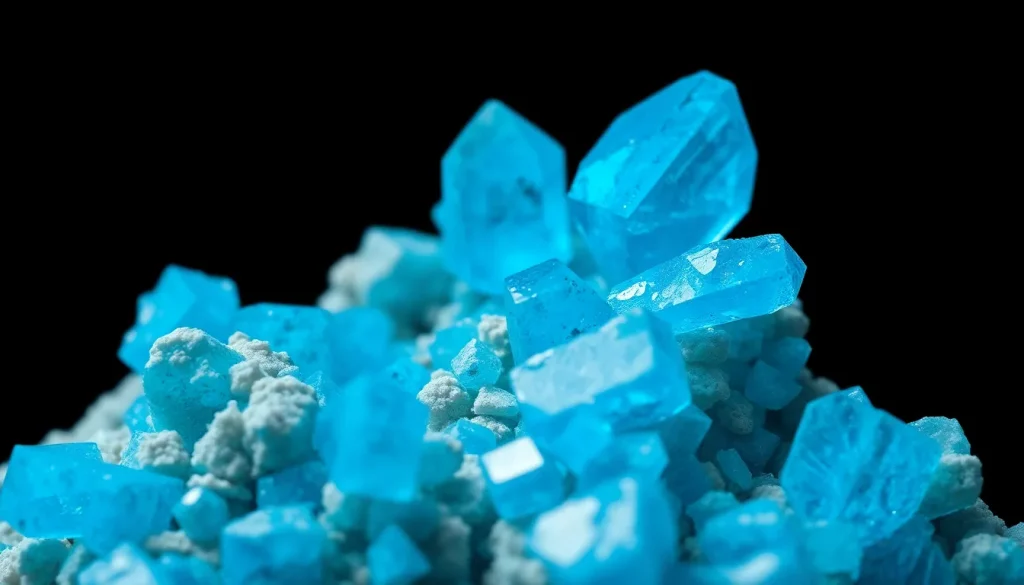
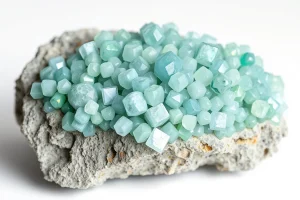
Cavansite is a hydrated calcium vanadium silicate mineral with the chemical formula Ca(VO)Si4O10·4H2O. It belongs to the phyllosilicate (layered silicate) family and crystallises in the orthorhombic system. The stone is best known for its bright electric‑blue colour, although pale greenish tones also occur. With a Mohs hardness of 3.5‑4, cavansite is relatively soft, making it suitable for cabochons, beads, and ornamental pieces rather than everyday rings.
History and Origin
The mineral was first described in 1973 from specimens collected near the town of Cavans in the Katanga Province of the Democratic Republic of the Congo, after which it was named. Early reports highlighted its striking blue crystals and its occurrence in the oxidised zones of vanadium‑bearing copper deposits. Since its discovery, cavansite has been reported from several localities worldwide, including Namibia, Australia, Canada, and the United States.
Meaning and Symbolism
In traditional gemstone lore, cavansite’s intense blue is associated with clarity of thought, calm communication, and the expression of truth. Its colour is often linked to the sky and water, symbolising serenity and openness. Collectors value the stone for its rarity in vivid hue and its distinctive crystal habit.
Healing and Metaphysical Properties
Within crystal‑healing circles, cavansite is believed to support the throat chakra, aiding clear speech and honest self‑expression. It is also said to enhance intuition, promote mental focus, and reduce stress by encouraging a calm, centered mindset. These properties are considered traditional beliefs and are not intended as medical advice.
Varieties and Types
- Crystalline Cavansite – Well‑formed orthorhombic prisms or tabular crystals, often displaying a vivid blue.
- Botryoidal (Massive) Cavansite – Rounded, grape‑like aggregates that can be cut into cabochons.
- Associated Mineral – Pentagonite – A polymorph that shares a similar composition but forms in a different crystal system, sometimes found together with cavansite.
Jewelry Uses and Care
Because of its softness, cavansite is most commonly used in pendants, earrings, necklaces, and decorative beads. It should be set in protective settings that minimise impact. Care instructions include:
- Clean with a soft, lint‑free cloth and mild soapy water; avoid abrasive cleaners.
- Do not expose to ultrasonic cleaners or steam, as the stone can fracture.
- Store separately from harder gemstones to prevent scratching.
- Avoid prolonged exposure to acids, salts, or harsh chemicals.
Buying Guide
When selecting cavansite, consider the following factors:
- Colour Saturation – Deep, uniform blue is most desirable; uneven or pale shades are less valuable.
- Clarity – Inclusions are common; a clean, eye‑clean specimen commands a higher price.
- Cut and Shape – Well‑cut cabochons or polished beads showcase the stone’s luster.
- Origin – Specimens from the original Congo locality are often more sought after by collectors.
- Treatment – Genuine cavansite is rarely treated; beware of dyed or enhanced stones marketed as natural.
n
Because market prices fluctuate, it is advisable to purchase from reputable dealers who provide provenance and, when possible, a gemological report.
FAQ
What is cavansite good for?
Cavansite is prized for its vivid blue colour in jewelry and as a collector's specimen. Traditionally, it is believed to aid clear communication and calm the mind, though these are metaphysical claims, not medical facts.
Is cavansite rare?
High‑quality, deep‑blue cavansite is relatively rare, especially from the original Congo locality. More abundant, lower‑grade material occurs in Namibia and other sites, but vivid, eye‑clean stones are scarce.
How can you tell if cavansite is real?
Real cavansite exhibits a characteristic blue colour, orthorhombic crystal habit, and a Mohs hardness of 3.5‑4. Simple tests include checking for a white streak and a vitreous luster. For certainty, seek a gemological report or specialist appraisal.
What chakra is cavansite associated with?
In crystal‑healing traditions, cavansite is commonly linked to the Throat Chakra (Vishuddhi), supporting expression and communication.
How should you clean cavansite?
Clean cavansite gently with lukewarm soapy water and a soft cloth. Avoid ultrasonic cleaners, steam, harsh chemicals, and prolonged exposure to acids, as the stone is relatively soft and can be damaged.
Leave a Reply