
Short Answer
Overview
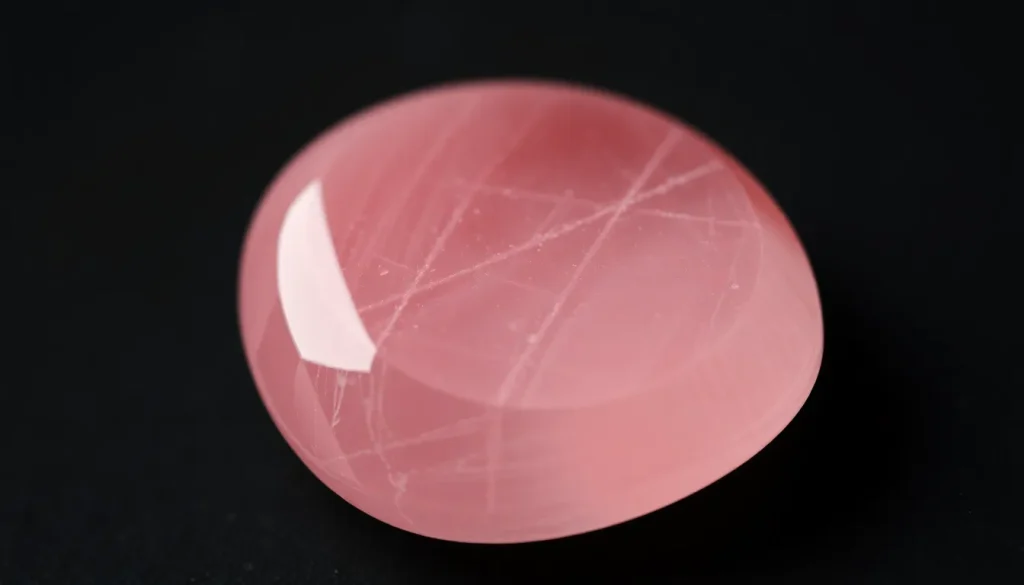
Bustamite is a calcium‑magnesium silicate mineral (CaMgSi₂O₆) belonging to the pyroxene group. It crystallises in the monoclinic system and is the high‑temperature polymorph of diopside. Natural bustamite is relatively rare and is most often encountered in shades of pink, rose, salmon, or occasionally colourless. Its vitreous luster, moderate hardness (5.5‑6 on the Mohs scale), and distinctive two‑direction cleavage make it a noteworthy specimen for collectors and a subtle choice for fine jewellery.
History and Origin
The name “bustamite” honours the Italian mineralogist Francesco Bustamante, who first described the mineral in the early 19th century from deposits in the Lombardy region of Italy. Subsequent occurrences have been documented in the United States (California, Arizona), Turkey, Brazil, and parts of China. Because bustamite forms under high‑temperature metamorphic conditions, it is typically found in skarn deposits where limestone has interacted with magmatic intrusions.
Meaning and Symbolism
In traditional gemstone lore, bustamite’s soft pink colour is linked to the heart and emotions. It is said to encourage compassion, self‑acceptance, and the expression of love. Collectors often value bustamite for its understated elegance and the sense of calm it is believed to bring to the wearer.
Healing and Metaphysical Properties
Crystal‑healing practitioners associate bustamite with the heart chakra. They claim the stone can aid emotional healing, promote forgiveness, and help release lingering grief. Some believe it supports the circulatory system and eases tension in the chest area. These attributes are based on long‑standing metaphysical traditions and should not be taken as medical advice.
Varieties and Types
While bustamite itself is a single mineral species, variations in colour and clarity occur due to trace elements and growth conditions. Common varieties include:
- Pink Bustamite – the most typical hue, ranging from pale pink to deep rose.
- Salmon‑Orange Bustamite – a warmer tone often found in skarn environments.
- Colourless (Clear) Bustamite – rare, highly prized for its transparency.
- Brown‑Tinted Bustamite – caused by iron or manganese impurities.
Each variety may exhibit slightly different refractive indices but shares the same basic chemical composition.
Jewelry Uses and Care
Because bustamite’s hardness is moderate, it is best suited for earrings, pendants, and brooches rather than rings that endure frequent impact. The stone can be cut in cabochon, faceted, or polished forms. Care guidelines include:
- Clean with mild soap and warm water; avoid ultrasonic cleaners that could exacerbate existing fractures.
- Use a soft, lint‑free cloth for polishing; never apply abrasive powders.
- Avoid prolonged exposure to acids, harsh chemicals, or extreme temperature changes, as these can weaken the crystal lattice.
n
When set in protective mountings (e.g., bezel or channel settings), bustamite retains its brilliance while minimizing the risk of chipping.
Buying Guide
When purchasing bustamite, consider the following factors:
- Colour Saturation – Deep, even pinks are most sought after; uneven or washed‑out tones lower value.
- Clarity – Inclusions are common; a clean, eye‑clean specimen commands a premium.
- Cut and Finish – Well‑cut stones display strong pleochroism and bright luster.
- Origin – Italian and Turkish bustamites are historically prized, though quality is ultimately determined by individual stone characteristics.
- Treatment Disclosure – Some bustamite crystals are heat‑treated to enhance colour; reputable dealers will disclose any enhancements.
For authentic, high‑quality bustamite, request a gem‑ological report from a recognized laboratory (e.g., GIA or IGI). This documentation confirms chemical composition, origin, and any treatments applied.
FAQ
What is bustamite good for?
Bustamite is valued for its delicate pink colour in jewellery, as a collector’s specimen, and traditionally for its associations with emotional balance and love.
Is bustamite rare?
High‑quality pink bustamite is relatively rare, especially in large, eye‑clean crystals. It occurs in limited localities and is less common than many other silicate gems.
How can you tell if bustamite is real?
Real bustamite shows a vitreous luster, a hardness of 5.5‑6, and characteristic two‑direction cleavage. A professional gemological lab can confirm its composition and detect any treatments.
What chakra is bustamite associated with?
In crystal‑healing traditions, bustamite is linked to the Heart (Anahata) chakra, supporting love and emotional healing.
How should you clean bustamite?
Clean bustamite with warm soapy water and a soft brush, avoid ultrasonic cleaners, and keep it away from harsh chemicals or sudden temperature changes.
Leave a Reply