
Short Answer
Overview
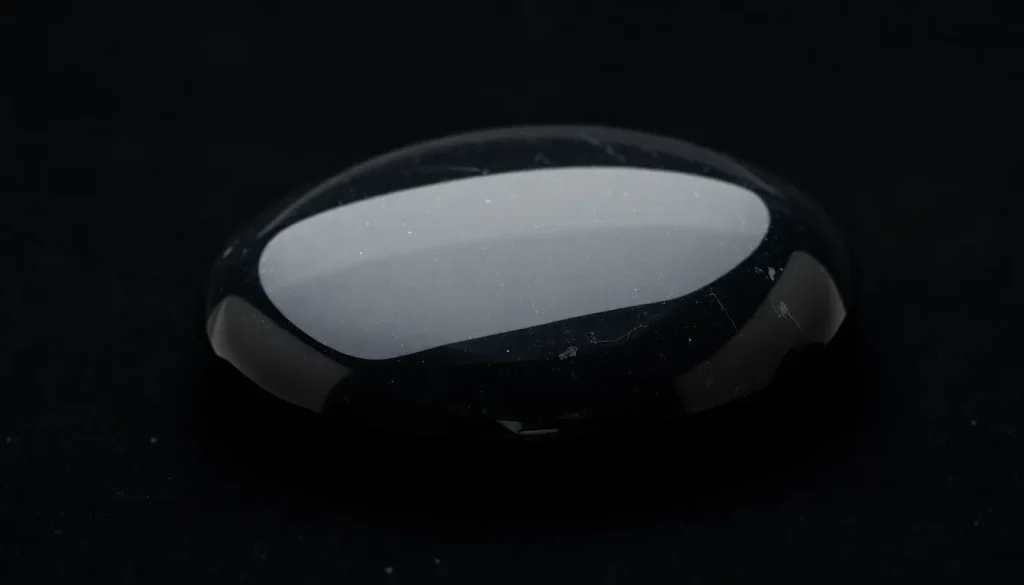
Ballas is a natural, fibrous variety of corundum (the mineral family that includes ruby and sapphire). It is characterized by a dense, spherical aggregate of interlocking, radiating crystal fibers that give the stone a distinctive “spider‑web” or “cactus” texture. The most common color is deep black, though brown, gray and occasionally colorless specimens occur. Because corundum rates 9 on the Mohs hardness scale, ballas is extremely durable and suitable for a wide range of jewelry applications.
History and Origin
The term “ballas” derives from the Arabic word ballas meaning “stone” or “rock”. Historically, ballas was used in ornamental objects and came to Western attention through the gem trade of the 19th century, especially from Sri Lanka (Ceylon) where black ballas was first documented. Major localities today include:
- Sri Lanka – the classic source of high‑quality black ballas
- Brazil – produces both black and brown varieties
- Madagascar – known for darker, highly lustrous specimens
- Tanzania and Myanmar – occasional finds of brown and gray ballas
Unlike many other gemstones, ballas forms in the earth’s mantle under high temperature and pressure, where corundum crystals grow rapidly in a radiating fibrous pattern, then become cemented together by secondary silica.
Meaning and Symbolism
In traditional gemstone lore, ballas is associated with strength, resilience, and protection. Its dark, impenetrable appearance has led to beliefs that it can shield the wearer from negative influences and help ground emotional energy. In some cultures, ballas is considered a symbol of inner power and the ability to navigate through challenging circumstances.
Healing and Metaphysical Properties
Crystal‑healing practitioners attribute the following properties to ballas, based on longstanding belief systems rather than scientific evidence:
- Grounding: Helps anchor scattered thoughts and promotes a sense of stability.
- Protection: Said to create an energetic shield against psychic attack or environmental stress.
- Confidence: Believed to bolster self‑esteem and encourage decisive action.
These claims are part of traditional metaphysical frameworks and should not be taken as medical advice.
Varieties and Types
Ballas is classified primarily by color and clarity:
| Type | Typical Color | Key Characteristics |
|---|---|---|
| Black Ballas | Deep black to charcoal gray | Highest contrast, most sought after for jewelry |
| Brown Ballas | Chocolate to mahogany brown | Often displays a warm, earthy glow |
| Colorless/White Ballas | Nearly transparent to milky white | Rare, valued for subtle elegance |
All varieties share the same fibrous texture, but the presence of trace elements such as iron or titanium can shift the hue toward brown or gray.
Jewelry Uses and Care
Because of its hardness and unique texture, ballas is commonly cut as cabochons, beads, or polished spheres. It is especially popular in:
- Statement rings and cocktail rings
- Bracelet and necklace pendants that showcase the stone’s “spider‑web” interior
- Men’s jewelry where a bold, dark accent is desired
Care instructions:
- Clean with warm, soapy water and a soft brush; avoid harsh chemicals.
- Because ballas lacks cleavage, it tolerates ultrasonic cleaning, but prolonged exposure may affect any surface treatments.
- Store separately from softer gems to prevent scratching, although its 9‑Mohs hardness makes it resistant to most abrasions.
Buying Guide
When selecting ballas, consider the following factors:
- Color depth: Deep, even black is most valuable; brown shades are graded on uniformity and richness.
- Texture visibility: A well‑defined fibrous pattern adds to visual interest and value.
- Clarity: While ballas is typically opaque, excessive inclusions that obscure the texture can lower price.
- Origin: Stones from Sri Lanka and Brazil often command higher premiums due to established reputation.
- Treatment disclosure: Some ballas may be heat‑treated to enhance color; reputable sellers should disclose any processing.
Request a gemological report from a recognized laboratory (e.g., GIA or IGI) for high‑value pieces to verify authenticity and any treatments.
FAQ
What is ballas good for?
Ballas is valued for its striking black appearance and durability, making it ideal for statement jewelry. Traditional beliefs also attribute grounding and protective qualities, though these are not scientifically proven.
Is ballas rare?
High‑quality black ballas is relatively uncommon, especially in large, flawless pieces. It is less rare than some colored sapphires, but fine specimens from renowned localities can be scarce and command premium prices.
How can you tell if ballas is real?
Authentic ballas displays a dense fibrous texture visible under magnification and rates 9 on the Mohs scale. Professional testing, such as refractive index measurement and a gemological report, confirms its corundum composition and reveals any treatments.
What chakra is ballas associated with?
In crystal‑healing traditions, ballas is often linked to the Root (Muladhara) chakra for grounding, though no single standard chakra association exists.
How should you clean ballas?
Clean ballas with warm, mildly soapy water and a soft brush. Because it is very hard, ultrasonic cleaning is generally safe, but avoid harsh chemicals and store it separately from softer gems to prevent scratching.
Leave a Reply