
Short Answer
Overview
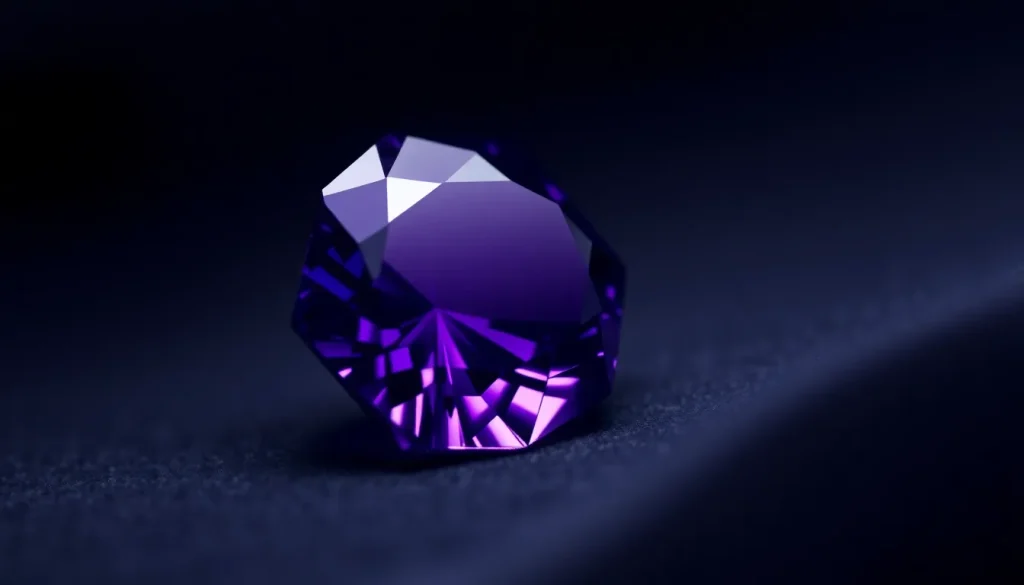
Amethyst is a violet‑to‑purple variety of the mineral quartz (silicon dioxide, SiO₂). Its colour ranges from pale lilac to deep royal purple, caused primarily by natural irradiation and trace iron impurities. With a Mohs hardness of 7, amethyst is suitable for most types of jewelry and is one of the most widely recognized gemstones worldwide.
History and Origin
The name amethyst derives from the ancient Greek amethystos, meaning “not intoxicated,” reflecting the belief that the stone could protect against drunkenness. Amethyst has been mined for millennia in regions such as ancient Egypt, the Roman Empire, and later in Brazil and Uruguay. Large deposits were discovered in the 19th century in Brazil’s Minas Gerais, establishing the country as the primary source of high‑quality amethyst today.
Meaning and Symbolism
Throughout history, amethyst has symbolized sobriety, clarity of mind, and spiritual insight. In ancient cultures it was used in signet rings and royal regalia to convey authority and wisdom. Modern symbolic meanings associate the stone with inner peace, balanced emotions, and the enhancement of intuition.
Healing and Metaphysical Properties
In crystal‑healing traditions, amethyst is said to calm the mind, alleviate stress, and support meditation. Practitioners claim it aligns the Third Eye and Crown chakras, fostering spiritual awareness and protecting against negative energies. These attributes are regarded as traditional beliefs and are not medical facts.
Varieties and Types
- Natural amethyst – unenhanced stone displaying the full spectrum of purple hues.
- Heat‑treated amethyst – produces citrine (yellow) or prasiolite (green) through controlled heating.
- Siberian amethyst – dark, deep‑purple stones from the Kola Peninsula, valued for their intense colour.
- Chevron amethyst – features distinctive V‑shaped banding caused by twin crystal growth.
- Ametrine – a naturally occurring blend of amethyst and citrine zones within a single crystal.
Jewelry Uses and Care
Because of its durability, amethyst is set in rings, earrings, pendants, and watch components. It pairs well with metals such as sterling silver, white gold, and platinum, which highlight its violet tone. Care recommendations include:
- Avoid prolonged exposure to direct sunlight, which can fade the colour over time.
- Clean with warm, soapy water and a soft brush; ultrasonic cleaners are safe if the stone is untreated.
- Store separately from softer gems to prevent scratching.
Buying Guide
When selecting amethyst, consider the following factors:
- Colour intensity: Deep, saturated purple is generally more valuable than pale shades.
- Clarity: Inclusions are common but should not dominate the stone.
- Treatment disclosure: Heat‑treated stones may be marketed as citrine or prasiolite; reputable sellers will disclose any enhancement.
- Cut and proportion: Well‑cut stones display maximal colour and brilliance.
- Origin: Brazilian amethyst is abundant, while high‑quality Siberian specimens command premium prices.
For assurance, request a gem‑ological certificate from a recognized laboratory such as the GIA or IGI.
FAQ
What is amethyst good for?
Amethyst is prized for its attractive violet colour in jewelry, and traditionally it is believed to promote calmness, enhance intuition, and protect against negative energy; these uses are cultural and not medical.
Is amethyst rare?
High‑quality, deep‑purple amethyst is less common than lighter shades, especially from premium localities like Siberia. However, Brazil supplies abundant material, making amethyst generally accessible, though untreated, vivid specimens can be scarce.
How can you tell if amethyst is real?
Real amethyst feels cool, has a vitreous luster, and a hardness of 7. Look for natural colour zoning and absence of bubble patterns typical of glass. A professional gem‑lab test (e.g., GIA report) provides definitive verification.
What chakra is amethyst associated with?
In crystal‑healing traditions amethyst is linked to the Crown and Third Eye chakras, thought to support spiritual insight and higher‑consciousness work.
How should you clean amethyst?
Clean amethyst with warm, mild soapy water and a soft brush. Avoid harsh chemicals and prolonged sunlight exposure, which can fade colour. Ultrasonic cleaning is safe for untreated stones but should be avoided if the stone has surface treatments.
Leave a Reply