Short Answer
Overview
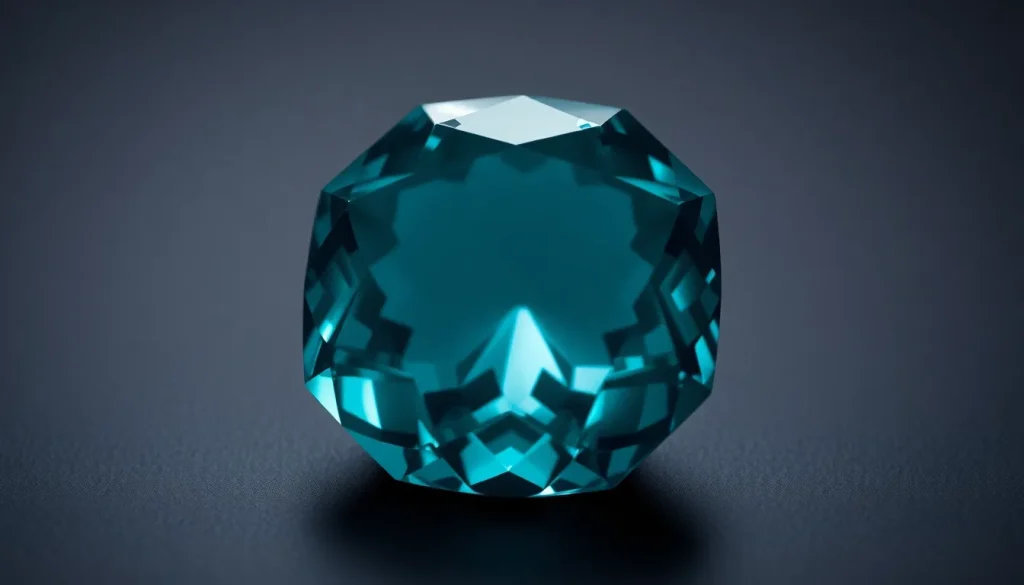
Aquamarine is a transparent to translucent beryl gemstone renowned for its sea‑blue to turquoise hues. Its name derives from the Latin aquā marīna, meaning “water of the sea.” With a Mohs hardness of 7.5–8, it is suitable for most types of jewelry and is the traditional birthstone for the month of March.
History and Origin
Historically, aquamarine was prized by ancient Romans, who believed the stone protected sailors and guaranteed safe voyages. In the Middle Ages, it was associated with the element of water and used in talismans for calmness. Major commercial sources were discovered in Brazil in the early 19th century, followed by deposits in Madagascar, Nigeria, and Pakistan, establishing Brazil as the leading producer of high‑quality stones.
Meaning and Symbolism
Across cultures, aquamarine symbolizes serenity, clarity, and youthful energy. It is often linked to communication, courage, and the soothing qualities of the ocean. In modern gemstone lore, it is considered a stone that encourages honest expression and helps to overcome fear.
Healing and Metaphysical Properties
Traditional crystal‑healing beliefs attribute aquamarine with the ability to calm the mind, reduce stress, and promote emotional balance. Practitioners claim it aligns with the Throat Chakra, supporting clear communication and self‑expression. These claims are not medical facts and should not replace professional health advice.
Varieties and Types
While the classic aquamarine ranges from pale blue to deep blue, several related varieties exist:
- Maxixe – a rare deep‑blue to violet‑black beryl, historically confused with sapphire.
- Heliodoro – a yellow‑green beryl that sometimes exhibits aquamarine‑like clarity.
- Heat‑treated aquamarine – most commercial stones are heat‑treated to enhance their blue hue; the treatment is stable and permanent.
Jewelry Uses and Care
Aquamarine’s durability makes it popular in rings, earrings, pendants, and watch crystals. When setting, a shallow bezel or prong setting protects the stone’s basal cleavage.
Cleaning: Use warm, soapy water and a soft brush. Rinse thoroughly and dry with a lint‑free cloth. Avoid ultrasonic cleaners if the stone is heat‑treated, as extreme heat can affect the color.
Storage: Store separately from harder gemstones to prevent scratching. A fabric pouch or a compartmentalized jewelry box is ideal.
Buying Guide
When purchasing aquamarine, consider the following factors:
- Color: Deep, saturated blues are most valued, though very pale stones are also sought after for a subtle look.
- Clarity: Inclusions are common but should not impair transparency.
- Cut: Well‑cut stones display strong brilliance; common cuts include oval, cushion, and emerald.
- Treatment disclosure: Reputable dealers will state whether the stone has been heat‑treated.
- Certification: For high‑value pieces, request a GIA or equivalent laboratory report.
By evaluating these criteria, buyers can select an aquamarine that meets both aesthetic and ethical standards.
FAQ
What is aquamarine good for?
Aquamarine is prized for its sea‑blue beauty in jewelry and, according to traditional beliefs, is used to promote calm communication, reduce stress, and support emotional clarity.
Is aquamarine rare?
High‑quality, deep‑blue aquamarine is less common than paler stones, but the mineral itself is relatively abundant, especially from Brazil. Rarity increases with size, color saturation, and lack of treatment.
How can you tell if aquamarine is real?
Real aquamarine displays a vitreous luster, a Mohs hardness of 7.5–8, and a refractive index between 1.569 and 1.583. Professional testing with a refractometer, spectroscope, or GIA certification confirms authenticity and any treatments.
What chakra is aquamarine associated with?
In crystal‑healing traditions, aquamarine is linked to the Throat Chakra (Vishuddhi), believed to aid clear expression and truthful communication.
How should you clean aquamarine?
Clean aquamarine with warm, mildly soapy water and a soft brush, then rinse and pat dry. Avoid harsh chemicals, ultrasonic cleaners for heat‑treated stones, and extreme temperature changes.

Leave a Reply