
Short Answer
Overview
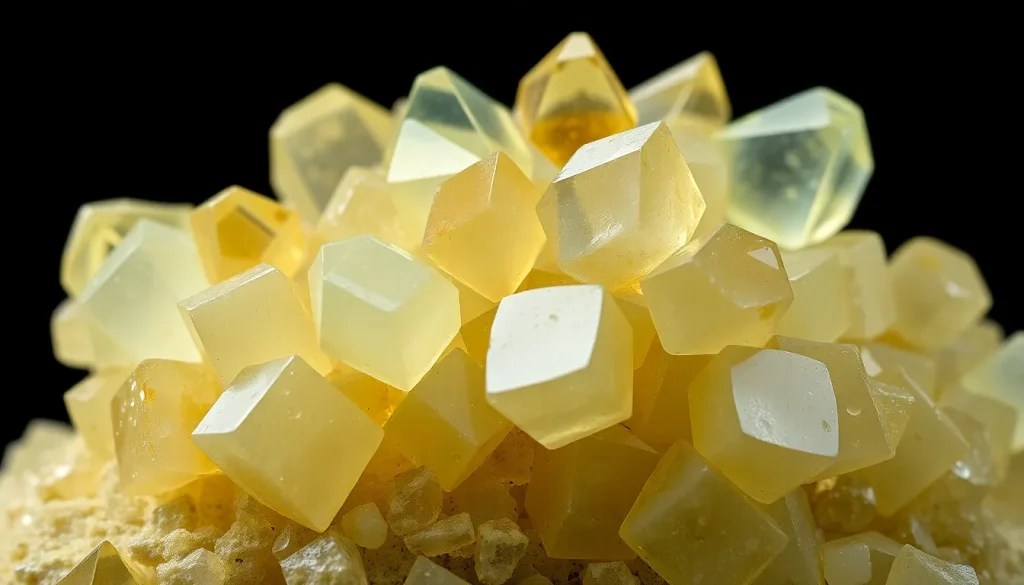
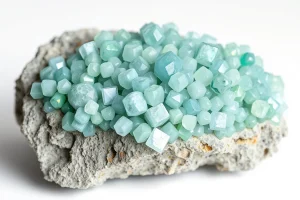
Kämmererite is a rare silicate mineral that occurs in limited localities worldwide. It is typically found as small, well‑formed crystals or as granular aggregates displaying pale green to yellow‑brown coloration. While not a mainstream gemstone, Kämmererite is prized by collectors for its rarity and subtle beauty.
History and Origin
The mineral was first described in the early 20th century and named after the German mineralogist Friedrich Kämmerer, who contributed to the study of silicate minerals. Documented occurrences are chiefly in the Alpine region of Central Europe, with occasional reports from South America and Asia. Because of its scarcity, Kämmererite has remained relatively unknown outside specialist circles.
Meaning and Symbolism
In traditional gemstone lore, Kämmererite is associated with inner growth and gentle transformation. Its soft green tones are said to symbolize renewal, while the earth‑derived hues are linked to stability and grounding. These symbolic attributes make it a thoughtful gift for personal milestones or for those seeking subtle encouragement.
Healing and Metaphysical Properties
Crystal‑healing practitioners attribute the following properties to Kämmererite, based on longstanding beliefs rather than scientific evidence:
- Emotional balance: Assists in releasing lingering sadness and promotes calm optimism.
- Physical support: Thought to aid the respiratory system and support healthy lung function.
- Spiritual grounding: Believed to enhance connection to the Earth and encourage mindful presence.
These claims are part of traditional metaphysical systems and should not replace professional medical advice.
Varieties and Types
Kämmererite does not have widely recognized varieties. Minor color variations occur due to trace element substitution, resulting in specimens ranging from pale green to yellow‑brown. Some collectors refer to especially transparent material as “crystalline Kämmererite,” though this is a descriptive term rather than a formal classification.
Jewelry Uses and Care
Because of its modest hardness (approximately 5.5–6 on the Mohs scale) and natural cleavage, Kämmererite is best suited for pendants, earrings, and brooch settings where the stone is protected from abrasion. When incorporated into jewelry, the following care guidelines are recommended:
- Cleaning: Use a soft, lint‑free cloth dampened with mild soapy water. Avoid ultrasonic cleaners and harsh chemicals.
- Storage: Keep pieces separate from harder gemstones such as quartz or sapphire to prevent scratching.
- Handling: Remove jewelry before activities that involve impact or heavy wear.
Untreated Kämmererite is stable under normal conditions, but exposure to prolonged heat or strong acids may alter its surface appearance.
Buying Guide
When purchasing Kämmererite, consider the following factors:
- Origin documentation: Reputable dealers should provide provenance, especially for specimens claimed to be from classic Alpine localities.
- Color and clarity: Look for even coloration and minimal inclusions; high‑quality stones often display a gentle, uniform hue.
- Cut and setting: Because the mineral is relatively soft, well‑protected settings (e.g., bezel or protective prong) are advisable.
- Certification: While formal grading labs rarely issue certificates for Kämmererite, a gemological report confirming its identity can add confidence.
Due to its rarity, prices can vary widely. Compare multiple sources and be wary of untreated stones advertised at unusually low prices.
FAQ
What is Kämmererite good for?
Kämmererite is valued by collectors for its rarity and subtle coloration, and it is occasionally set in jewelry as a pendant or earring. Traditional beliefs also associate it with emotional balance and grounding.
Is Kämmererite rare?
Yes, Kämmererite is considered rare. High‑quality, well‑formed crystals are limited to a few Alpine localities, and few specimens enter the commercial market.
How can you tell if Kämmererite is real?
Authentic Kämmererite exhibits a pale green to yellow‑brown hue, a vitreous to pearly luster, and a Mohs hardness of about 5.5–6. Professional gemological testing, including refractive index measurement and X‑ray diffraction, is recommended for certainty.
What chakra is Kämmererite associated with?
In crystal‑healing traditions, Kämmererite is sometimes linked to the Heart chakra for its grounding and renewal symbolism, though there is no universally accepted association.
How should you clean Kämmererite?
Clean Kämmererite with a soft, lint‑free cloth dampened with mild soapy water. Avoid ultrasonic cleaners, steam, or harsh chemicals, and store it separately from harder gemstones to prevent scratches.
Leave a Reply