
Short Answer
Overview
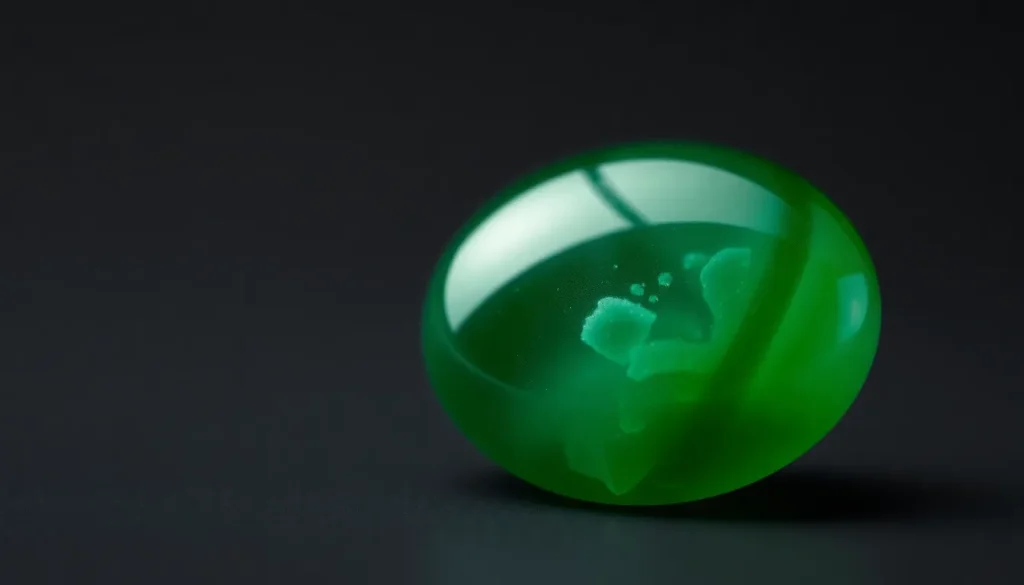
Jade refers to two distinct silicate minerals—nephrite, a calcium‑magnesium amphibole, and jadeite, a sodium‑aluminum pyroxene. Both are prized for their toughness, fine grain, and a range of colors dominated by green, though other hues occur. The term “jade” is used commercially for any polished specimen of either mineral that meets aesthetic standards.
History and Origin
Jade has been valued for millennia across Asia, Mesoamerica, and the Pacific. In China, nephrite was mined as early as the Neolithic period and became the imperial stone, symbolizing virtue and power. Jadeite was introduced to the Chinese market in the 18th century after being sourced from Myanmar (Burma). In Mesoamerica, the Olmec and later the Maya carved jadeite into ceremonial objects, believing it linked the living to the divine.
Meaning and Symbolism
Traditionally, jade embodies purity, harmony, and balance. In Chinese culture it represents wisdom, justice, compassion, and protection. The stone’s cool, smooth feel has been associated with emotional steadiness, encouraging calm decision‑making. In many societies jade is also a symbol of status and longevity.
Healing and Metaphysical Properties
Within crystal‑healing circles, jade is believed to promote physical vitality, especially kidney and heart health, and to aid in detoxification. Mentally, it is said to foster emotional stability, reduce anxiety, and encourage a sense of inner peace. These claims are traditional beliefs and not medically verified; jade should never replace professional medical treatment.
Varieties and Types
- Nephrite – Often called “soft jade,” it is usually creamy white to pale green, occasionally dark green. It has a fibrous interlocking texture that gives it exceptional toughness.
- Jadeite – The rarer variety, known for a broader color palette: emerald‑green (imperial jade), lavender, yellow, white, and black. High‑quality jadeite can be highly translucent.
- Imperial Jade – A term reserved for jadeite with a vivid emerald‑green hue and high translucency; the most prized and valuable form.
- Mutton Fat Nephrite – A milky white to creamy nephrite prized in Chinese carving.
Jewelry Uses and Care
Jade’s hardness (6–7 on the Mohs scale) and excellent fracture resistance make it suitable for rings, pendants, bracelets, and carved cabochons. However, its relatively high cleavage resistance does not mean it is immune to damage. Care guidelines include:
- Clean with a soft, lint‑free cloth and mild soap water; avoid abrasive cleaners.
- Do not expose to harsh chemicals, ultrasonic cleaners, or steam.
- Store separately from harder gemstones to prevent scratching.
- If the piece is treated (e.g., dyed or polymer‑filled), handle with extra caution as treatments can be sensitive to heat and solvents.
n
Buying Guide
When purchasing jade, consider the following factors:
- Type: Determine whether the stone is nephrite or jadeite; jadeite is generally more valuable, especially imperial jade.
- Color and Transparency: Rich, even color and a degree of translucency increase value. Uneven or mottled stones are less prized.
- Texture: A fine, uniform grain without visible cracks indicates high quality.
- Treatment Disclosure: Reputable sellers should disclose any dyeing, impregnation, or polymer filling.
- Certification: Look for GIA, AGS, or reputable local gemological laboratory reports, especially for high‑value jadeite.
Buying from established dealers and requesting a written guarantee can reduce the risk of misidentified or treated stones.
FAQ
What is jade good for?
Jade is prized for its durability, making it ideal for rings and carved pendants. Traditionally, it is believed to promote emotional balance, protection, and prosperity, though these are cultural beliefs, not medical facts.
Is jade rare?
High‑quality jadeite, especially imperial jade, is rare and commands premium prices. Nephrite is more abundant but fine‑grained, uniformly colored specimens are less common.
How can you tell if jade is real?
Real jade feels heavy for its size, has a cool touch, and shows a fine, interlocking grain under magnification. A professional gemologist can confirm authenticity with refractive index, specific gravity, and spectroscopy tests.
What chakra is jade associated with?
In crystal‑healing traditions, jade is most commonly linked to the Heart (Anahata) chakra, supporting love and emotional harmony.
How should you clean jade?
Use lukewarm soapy water and a soft cloth; avoid ultrasonic cleaners, harsh chemicals, or steam. Store separately from harder stones and keep treated jade away from heat or solvents.
Leave a Reply