
Short Answer
Overview
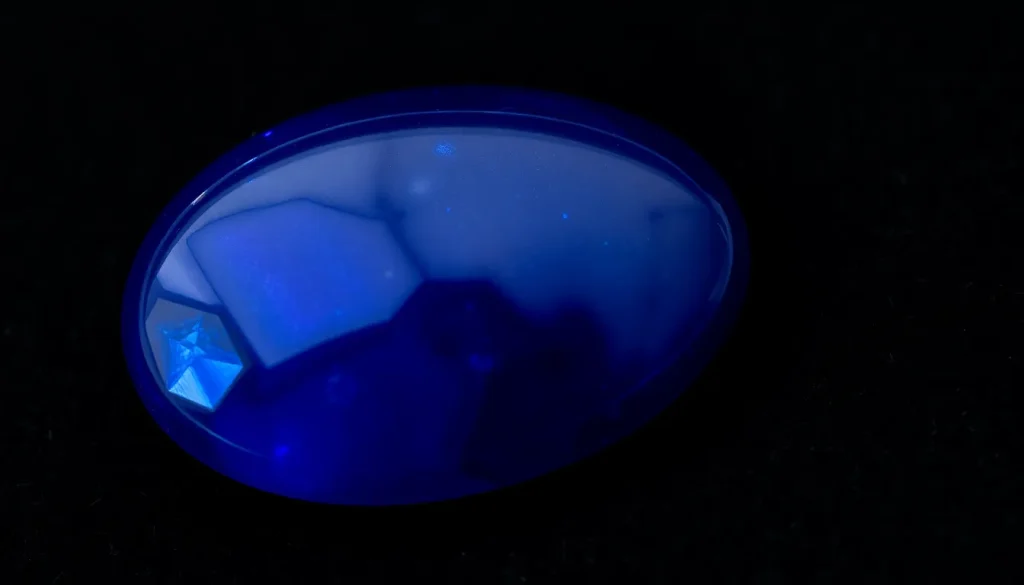
Glaucophane is a sodium‑rich amphibole mineral recognized for its vivid blue to indigo coloration. It belongs to the monoclinic amphibole group and typically occurs in high‑pressure, low‑temperature metamorphic rocks known as blueschists. Although not a mainstream gemstone, glaucophane is occasionally fashioned into cabochons, beads, and inlay pieces for collectors seeking unusual blue stones.
History and Origin
The name “glaucophane” derives from the Greek words glaukos (bluish‑gray) and phaino (to appear). It was first described in the early 20th century from specimens in the Franciscan Complex of California, USA. Subsequent discoveries have been reported from blueschist terranes in Japan, New Zealand, Norway, Pakistan, and the Canadian Cordillera. The mineral forms during subduction‑zone metamorphism, where oceanic crust is subjected to high pressure and relatively low temperature.
Meaning and Symbolism
In traditional gemstone lore, glaucophane is associated with calm communication, emotional balance, and the articulation of inner truth. Its deep blue hue is thought to reflect the depth of the ocean and the sky, symbolising clarity, introspection, and the ability to navigate through emotional turbulence.
Healing and Metaphysical Properties
Crystal‑healing practitioners attribute the following properties to glaucophane:
- Emotional Healing: Helps release suppressed feelings and promotes peaceful self‑expression.
- Communication: Encourages honest dialogue and eases the fear of speaking one’s truth.
- Spiritual Insight: Said to support meditation by opening the throat and third‑eye chakras, fostering intuitive understanding.
These beliefs are based on tradition and should not replace professional medical advice.
Varieties and Types
Glaucophane occurs primarily as elongated prismatic crystals or as massive aggregates. The most common variety is the deep, almost black‑blue “classic” glaucophane. In some localities, traces of iron give a slightly greener tint, while sodium‑poor specimens may appear more grey‑blue. No widely recognized commercial varieties exist beyond the general “blue amphibole” descriptor.
Jewelry Uses and Care
Because of its moderate hardness (5.5–6.5 on the Mohs scale) and perfect cleavage, glaucophane is best suited for pendants, earrings, and cabochons set in protective settings. It should be avoided in rings or bracelets that receive heavy wear.
Care Guidelines
- Cleaning: Use a soft, lint‑free cloth and mild warm soapy water. Avoid ultrasonic cleaners, which can exacerbate cleavage.
- Storage: Keep separate from harder gemstones like quartz or corundum to prevent scratching.
- Avoid Heat: High temperatures may cause dehydration of the hydroxyl groups, affecting color.
Buying Guide
When purchasing glaucophane, consider the following factors:
- Color Saturation: Deep, uniform blue is most valued. Uneven or washed‑out color lowers desirability.
- Clarity: Inclusions are common; however, large fractures or cloudiness diminish brilliance.
- Cut: Cabochons that showcase the stone’s natural luster are preferred over heavily faceted pieces.
- Treatment Disclosure: Natural glaucophane is rarely treated, but some specimens may be stabilized; request documentation.
- Certification: For high‑value pieces, seek a reputable gemological laboratory report confirming identity.
Because glaucophane is uncommon, prices can vary widely based on size, color intensity, and origin.
FAQ
What is glaucophane good for?
Glaucophane is valued for its striking blue color in niche jewelry and as a collector’s stone. Traditionally, it is believed to aid clear communication and emotional balance, though these are metaphysical beliefs, not medical facts.
Is glaucophane rare?
High‑quality, deep‑blue glaucophane is relatively rare because the mineral forms only in specific blueschist environments and large, flawless crystals are uncommon.
How can you tell if glaucophane is real?
Real glaucophane displays a uniform deep blue hue, perfect cleavage, and a vitreous luster. Simple tests include checking hardness (5.5–6.5) and refractive index. For certainty, obtain a professional gemological report.
What chakra is glaucophane associated with?
In crystal‑healing traditions, glaucophane is most often linked to the Throat chakra, supporting honest expression and communication.
How should you clean glaucophane?
Clean with a soft cloth and mild warm soapy water. Avoid ultrasonic cleaners and harsh chemicals, and store separately from harder gemstones to prevent scratching.

Leave a Reply