Short Answer
Overview
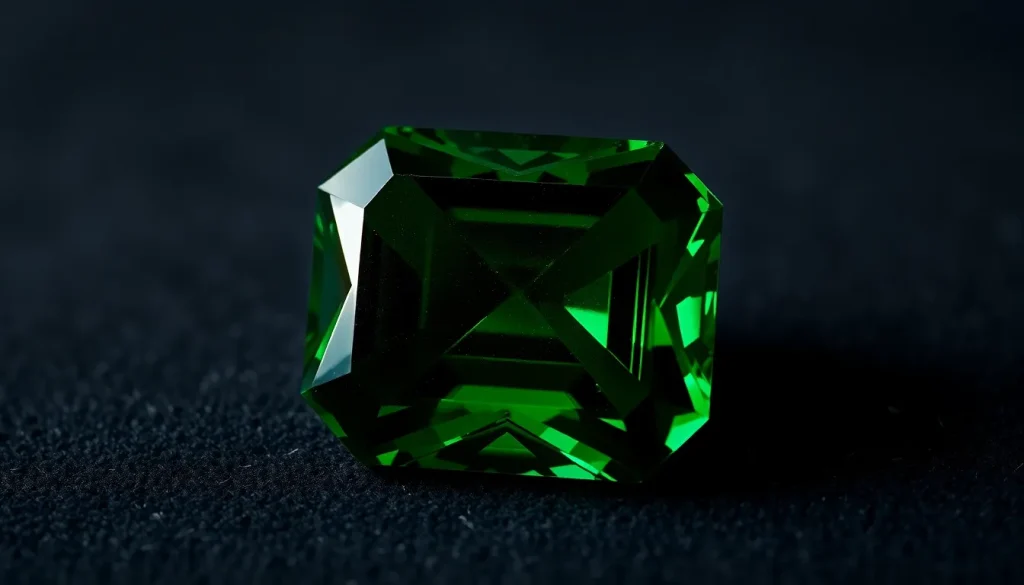
Grossular is a member of the garnet group and the only calcium‑aluminium silicate species in the series. Its chemical formula is Ca3Al2(SiO4)3. Grossular occurs in isometric crystals and massive aggregates, and it is valued for its wide color palette that includes green, orange, yellow, brown, and occasionally pink or colorless stones.
History and Origin
The name “grossular” derives from the Latin word grossularia, meaning “gooseberry,” a reference to the fruit‑like green stones first described in the 18th century. Early specimens were documented from the Umba Valley in Tanzania, and the mineral quickly entered the gem trade due to its striking hues. Over time, distinct varieties such as hessonite (orange) and tsavorite (emerald‑green) were identified and named after their discoverers or locales.
Meaning and Symbolism
Traditionally, grossular is associated with vitality, prosperity, and emotional balance. Green varieties, especially tsavorite, are thought to attract abundance and success, while orange hessonite is linked to confidence and personal power. Collectors often view grossular as a stone that bridges the heart and solar plexus energies, promoting harmony between love and will.
Healing and Metaphysical Properties
In crystal‑healing circles, grossular is believed to stimulate the heart chakra, encouraging compassion and forgiveness. Practitioners claim that green grossular supports the body’s detoxification processes, whereas orange hessonite may aid digestion and boost metabolic energy. These attributes are regarded as traditional beliefs and are not medical advice.
Varieties and Types
- Tsavorite – A vivid emerald‑green grossular discovered in Kenya and Tanzania; prized for its brilliance and rarity.
- Hessonite – An orange to brown‑yellow variety, often called “cinnamon stone,” popular in Indian jewelry.
- Fire Garnet – A term sometimes applied to bright orange‑red grossular specimens.
- Colorless Grossular – Transparent stones used as faceted gems; less common than colored types.
Jewelry Uses and Care
Grossular’s hardness of 6.5–7.5 makes it suitable for rings, pendants, earrings, and bracelets, though it should be set securely to protect against impact. Because the stone can be brittle along cleavage‑free planes, avoid harsh knocks. Cleaning is best performed with warm, soapy water and a soft brush; ultrasonic cleaners are acceptable for untreated stones but should be avoided for pieces that have been heat‑treated or coated.
Buying Guide
- Color – Choose a hue that appeals to you; vivid green and saturated orange command the highest market value.
- Clarity – Inclusions are common; a clean, eye‑clean stone is more desirable.
- Cut – Well‑proportioned cuts enhance brilliance; classic round, oval, and cushion shapes are typical.
- Treatment – Some grossular stones are heat‑treated to improve color; request certification from a reputable lab (GIA, IGI, or AGS).
- Origin – Provenance can affect price; Tanzanian and Kenyan tsavorites are especially sought after.
- Certification – Always ask for a gem‑ological report to verify authenticity and any treatments.
FAQ
What is grossular good for?
Grossular is prized for its vibrant colors in jewelry, and traditionally it is believed to promote emotional balance, confidence, and prosperity. These symbolic uses are separate from any medical claims.
Is grossular rare?
High‑quality, vivid green tsavorite and deep orange hessonite are relatively rare and command premium prices. More common colors and lower‑grade stones are widely available from many mining regions.
How can you tell if grossular is real?
Real grossular feels heavy for its size, shows a vitreous luster, and has a refractive index around 1.74. Use a loupe to check for inclusions and seek a certified gem‑ological report for definitive verification.
What chakra is grossular associated with?
In crystal‑healing traditions grossular is most often linked to the Heart (Anahata) chakra, though some sources also associate orange varieties with the Solar Plexus.
How should you clean grossular?
Clean grossular with warm, mildly soapy water and a soft brush. Avoid harsh chemicals and ultrasonic cleaners if the stone has been heat‑treated or coated. Store it separately to prevent scratches.
Leave a Reply