
Short Answer
Overview
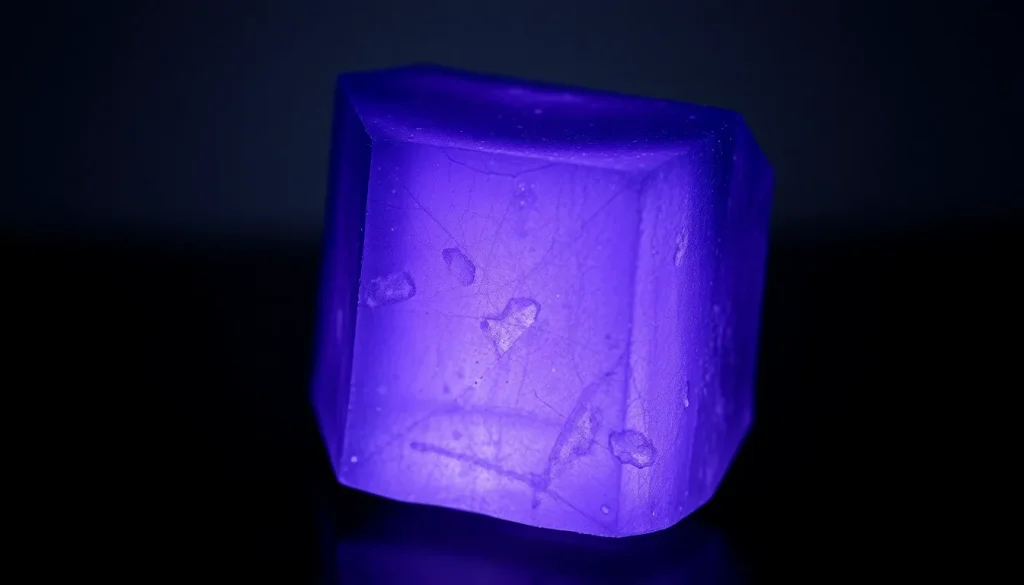
Fluorite, chemically calcium fluoride (CaF₂), is a halide mineral celebrated for its wide spectrum of colors and its ability to fluoresce under ultraviolet light. Crystals commonly form in cubic or octahedral shapes and display a subadamantine to vitreous luster. With a Mohs hardness of 4, fluorite is relatively soft compared with many traditional gemstones, which influences its use in jewelry.
History and Origin
The name “fluorite” derives from the Latin fluere, meaning “to flow,” referencing its use as a flux in metal smelting. Historically, fluorite was mined in ancient China and Europe for both ornamental and industrial purposes. In the 19th century, its fluorescence—first observed by Sir William Crookes—sparked scientific interest and popularized the stone among collectors.
Meaning and Symbolism
Traditional lore attributes clarity of thought and enhanced perception to fluorite. It is said to aid in decision‑making, organization, and mental focus. In some cultures, the stone symbolizes protection, grounding, and the purification of negative energy, making it a popular talisman for students and professionals.
Healing and Metaphysical Properties
Within crystal‑healing communities, fluorite is believed to balance the aura, strengthen the immune system, and support the absorption of new information. Practitioners claim it can help align the throat and third‑eye chakras, encouraging clear communication and intuitive insight. These properties are considered spiritual beliefs and are not medical advice.
Varieties and Types
Fluorite occurs in virtually every hue, including violet, blue, green, yellow, pink, and colorless. Some specimens display banded or zoned patterns, while others exhibit a striking “rainbow” effect known as play of color. The most renowned varieties include:
- Blue Fluorite – deep cobalt to sky blue, often found in China.
- Purple Fluorite – ranging from lavender to deep violet, common in the United States.
- Green Fluorite – bright lime to emerald tones, notable in Mexico.
- Yellow Fluorite – pale lemon to rich amber, found in South Africa.
- Multicolored/Zone Fluorite – exhibits multiple colors in a single crystal, prized by collectors.
Jewelry Uses and Care
Because of its relative softness, fluorite is best suited for pendants, earrings, brooches, and low‑impact rings. Cabochon cuts showcase its color and fluorescence, while faceted cuts can highlight internal clarity. Care recommendations include:
- Avoid abrasive cleaning; use a soft, lint‑free cloth.
- Clean with mild soap and lukewarm water; do not use ultrasonic cleaners.
- Store separately from harder gemstones to prevent scratching.
- Protect from prolonged exposure to direct sunlight, which can fade some colors.
Buying Guide
When purchasing fluorite, consider the following factors:
-
- Color intensity – vibrant, even color is generally more valuable.
n
- Clarity – inclusions are common; a clean interior enhances brilliance.
- Cut and polish – well‑cut stones display better light performance.
- Treatment disclosure – some fluorite is heat‑treated to improve color; reputable dealers will disclose any enhancements.
- Origin – certain localities, such as Mongolia’s “Mong Hsu” and China’s “Mong Hsu,” are known for high‑quality specimens.
For certainty, request a gemological report from a recognized laboratory, especially for high‑value pieces.
FAQ
What is fluorite good for?
Fluorite is valued for its vivid colors and fluorescence, making it popular in decorative objects, collectors’ pieces, and low‑impact jewelry. In crystal‑healing traditions it is believed to aid mental clarity and emotional balance, though these claims are not scientifically proven.
Is fluorite rare?
Fluorite is relatively common worldwide, but high‑quality, richly colored specimens—especially those with strong fluorescence—can be rare and command higher prices. Rarity also depends on locality and whether the stone is untreated.
How can you tell if fluorite is real?
Real fluorite feels cool, has a Mohs hardness of about 4, and shows perfect octahedral cleavage. It may fluoresce under UV light. Synthetic imitations often lack true fluorescence and may feel heavier. Professional gemological testing provides definitive verification.
What chakra is fluorite associated with?
Traditional crystal‑healing sources commonly link fluorite to the throat and third‑eye chakras, citing its purported ability to enhance communication and intuition. These associations are spiritual beliefs, not scientific facts.
How should you clean fluorite?
Clean fluorite gently with a soft cloth and mild soapy water. Avoid ultrasonic cleaners, harsh chemicals, and abrasive pads, as the stone is relatively soft and can be scratched or damaged by aggressive cleaning methods.
Leave a Reply