
Short Answer
Overview
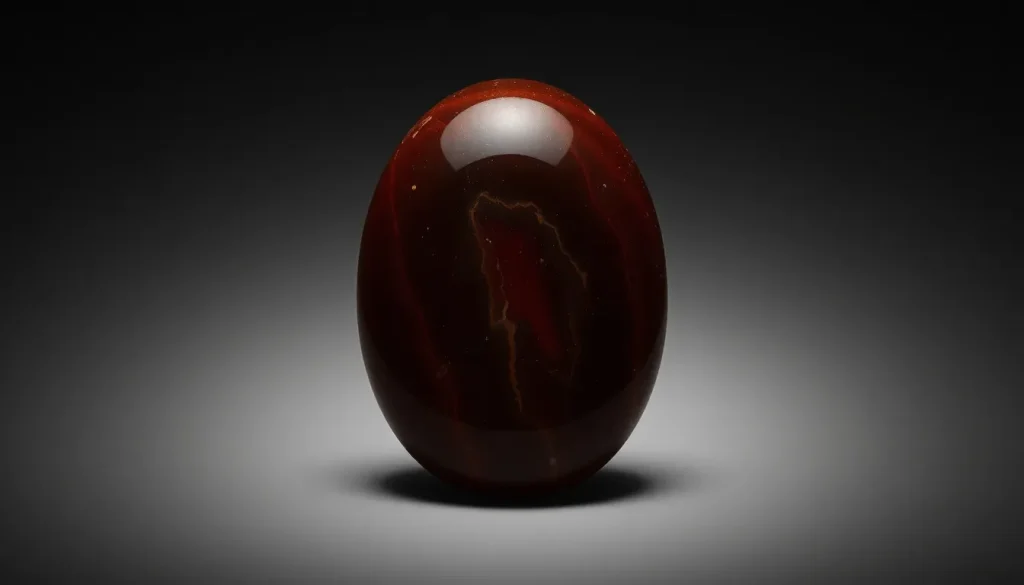
Fayalite (Fe2SiO4) is the iron‑rich end‑member of the olivine mineral series. Belonging to the nesosilicate (olivine) group, it crystallises in the orthorhombic system and typically displays brown to reddish‑brown colours. While not as common in jewellery as its magnesium‑rich counterpart forsterite, high‑quality fayalite can be faceted or cut as cabochons for rings, pendants, and collectors’ pieces.
History and Origin
The name “fayalite” derives from the island of Faial (Fayal) in the Azores, where the mineral was first described in the mid‑19th century. It occurs naturally in metamorphic skarns, volcanic rocks, and as a component of some meteorites. Historically, fayalite was used as a decorative stone in Europe and the United States, though its relatively low brilliance limited widespread adoption.
Meaning and Symbolism
In traditional gemstone folklore, fayalite’s deep earthy tones are associated with stability, courage, and grounding. It is said to encourage perseverance and to help the wearer stay connected to the physical world, making it a popular talisman for those seeking resilience during challenging times.
Healing and Metaphysical Properties
Crystal‑healing practitioners attribute fayalite with the ability to boost vitality, strengthen the immune system, and support the circulatory system. It is linked to the Root (Muladhara) chakra, where it is believed to promote a sense of security and rootedness. These claims are based on tradition and are not medical facts; they should not replace professional health advice.
Varieties and Types
Fayalite occurs as pure iron‑rich crystals, but most natural specimens are part of a solid‑solution series with forsterite (Mg2SiO4). The following types are recognised:
- Pure Fayalite – high iron content, deep brown colour, rare as a gem‑quality stone.
- Forsterite‑Fayalite Intermediate – varying Fe/Mg ratios, producing a range of brown to olive‑green hues.
- Fayalite Inclusions – tiny fayalite crystals embedded in other minerals such as garnet or quartz, valued by collectors.
Jewelry Uses and Care
When cut, fayalite displays a vitreous to sub‑adamantine luster. Its Mohs hardness of 6.5–7 makes it suitable for rings and pendants, though it should be protected from harsh impacts. Recommended care includes:
- Cleaning with warm, soapy water and a soft brush; avoid ultrasonic cleaners.
- Drying with a lint‑free cloth; do not expose to acids or strong alkalies.
- Storing separately from harder gemstones to prevent scratching.
Buying Guide
Key factors to consider when purchasing fayalite:
- Colour: Uniform, rich brown to reddish‑brown tones are most prized.
- Clarity: Inclusions are common; eye‑clean stones are rarer and more valuable.
- Cut: Well‑proportioned facets or smooth cabochons enhance brilliance.
- Origin: Reputable sources from Brazil, the United States, or Europe add confidence.
- Certification: For high‑value pieces, request a gemological report confirming identity and any treatments.
FAQ
What is fayalite good for?
Fayalite is valued as a collector’s gemstone for its earthy brown hue and moderate hardness, suitable for rings and pendants. Traditionally, it is believed to promote grounding, stability, and courage, though these are not medically proven.
Is fayalite rare?
High‑quality, gem‑grade fayalite is relatively rare because large, clear crystals are uncommon. It occurs in several countries, but fine specimens suitable for jewellery are limited compared with more abundant gemstones.
How can you tell if fayalite is real?
Real fayalite shows a vitreous to sub‑adamantine luster, a hardness of 6.5–7, and a characteristic brown to reddish‑brown color. A professional gemological test, such as refractive index measurement or spectroscopic analysis, confirms authenticity.
What chakra is fayalite associated with?
In crystal‑healing traditions, fayalite is linked to the Root (Muladhara) chakra, where it is thought to enhance grounding and a sense of security.
How should you clean fayalite?
Clean fayalite with warm, soapy water and a soft brush, avoiding ultrasonic cleaners and harsh chemicals. Dry gently with a lint‑free cloth and store separately from harder gemstones to prevent scratches.
Leave a Reply