Short Answer
Overview
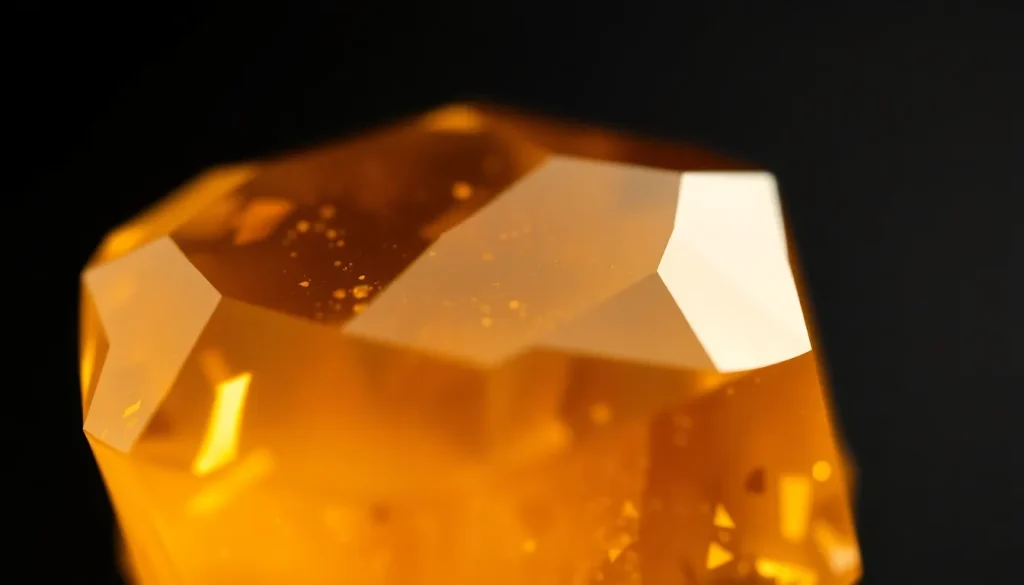
Diapore (AlOOH) is an orthorhombic oxide mineral that forms elongated prismatic crystals. Although primarily known to mineralogists, gem‑quality diaspore is prized for its bright yellow, green, orange, pink or brown colors and a high refractive index that gives it an adamantine luster. Because of its relative rarity in clean, transparent form, diaspore is used in high‑end jewelry and as a collector’s stone.
History and Origin
The name “diaspore” derives from the Greek diaspora meaning “to scatter,” a reference to the mineral’s tendency to break into thin, flaky sheets. It was first described in the early 19th century from specimens found in the Ural Mountains of Russia. Commercially important deposits were later discovered in Brazil’s Minas Gerais region, in the Kashmir area of Pakistan, and in Tanzania. These localities continue to supply the limited supply of gem‑grade material.
Meaning and Symbolism
In traditional gemstone lore, diaspore is associated with clarity of thought and personal transformation. Its bright colors are said to symbolize optimism and the ability to “shine through” difficult circumstances. The stone is often given as a gift to mark a new beginning or a significant personal achievement.
Healing and Metaphysical Properties
Crystal‑healing practitioners attribute the following properties to diaspore. These are beliefs and not medical facts:
- Emotional balance: Thought to support the heart centre, helping release old emotional patterns.
- Communication: Some claim it aids clear self‑expression and strengthens the throat chakra.
- Physical support: It is traditionally believed to assist the immune system and aid in the absorption of nutrients.
Practitioners often place the stone on the chest or wear it as a pendant during meditation.
Varieties and Types
Gem‑quality diaspore occurs in several color zones, each with distinct visual appeal:
- Yellow to orange: The most common commercial color, ranging from pale lemon to deep amber.
- Green: Often translucent with a vivid apple‑green hue.
- Pink to violet: Rare, highly prized for their delicate pastel tones.
- Brown/Chocolate: Deep earthy shades, sometimes used in masculine designs.
Some stones are heat‑treated to enhance or stabilize color, a practice that should be disclosed by sellers.
Jewelry Uses and Care
Because diaspore ranks 6.5–7 on the Mohs scale, it is suitable for rings, pendants, earrings, and brooches when set securely. Common cuts include oval, cushion, and emerald shapes that showcase its brilliance while minimizing stress on the perfect cleavage planes.
Care recommendations:
- Avoid harsh chemicals, ultrasonic cleaners, and steam cleaning; these can weaken the cleavage.
- Clean gently with warm, soapy water and a soft brush, then pat dry with a lint‑free cloth.
- Store separately from harder gemstones (e.g., quartz, sapphire) to prevent scratches.
Buying Guide
When purchasing diaspore, consider the following factors:
- Color intensity: Deep, saturated hues are rarer and command higher prices.
- Clarity: Look for stones with minimal inclusions; internal fractures are common due to perfect cleavage.
- Cut quality: Well‑proportioned cuts that align with the crystal’s natural shape reduce the risk of breakage.
- Treatment disclosure: Reputable dealers will state whether the stone has been heat‑treated or irradiated.
- Certification: Obtain a gemological report from a recognized laboratory (e.g., GIA, IGI) for high‑value pieces.
Because natural, untreated diaspore of high clarity is scarce, be prepared for a moderate price range relative to other gemstones of similar hardness.
FAQ
What is diaspore good for?
Diapore is valued for its vivid colors and high brilliance in jewelry, and traditionally believed to support emotional balance and clear communication.
Is diaspore rare?
High‑quality, transparent diaspore is relatively rare, especially in intense pink or violet shades. It occurs in Brazil, Pakistan, Tanzania and a few other locales, but gem‑grade material is limited.
How can you tell if diaspore is real?
Real diaspore displays an adamantine luster, a high refractive index (≈1.68), and perfect cleavage. Professional testing with a refractometer, density measurement, and spectroscopic analysis is recommended for certainty.
What chakra is diaspore associated with?
Traditionally, diaspore is linked to the Heart chakra, with some beliefs also connecting it to the Throat chakra for enhanced communication.
How should you clean diaspore?
Clean diaspore gently with warm, soapy water and a soft brush. Avoid ultrasonic cleaners, steam, and harsh chemicals, and store it separately from harder gemstones to prevent scratches.
Leave a Reply